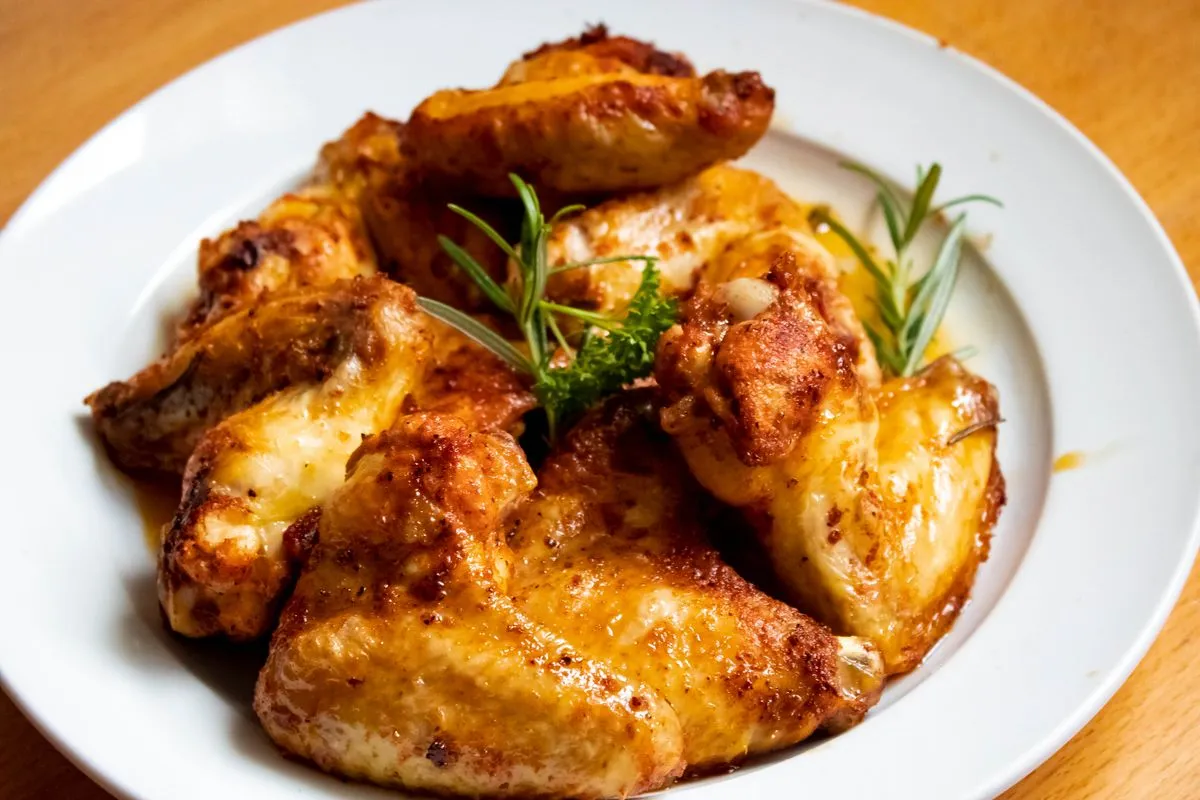
Georgian gupta are tender beef and pork meatballs simmered in a vivid green herb sauce made from fresh cilantro, dill, and fenugreek. Unlike heavy Italian meatballs in red sauce, gupta are light, herbal, and pointedly aromatic - a weeknight staple from the Republic of Georgia that deserves a spot in every meatball lover’s rotation.
The green herb sauce is the signature. Fresh cilantro, parsley, and dill are blitzed into a smooth paste and stirred into a garlic-broth base, creating a sauce that is bright, fragrant, and nothing like the creamy or tomato-based sauces you expect from meatballs. Fenugreek and coriander add a warm, slightly earthy backbone that anchors the fresh herb flavor.
Ready in 35 minutes with one skillet, gupta work as a quick weeknight dinner over steamed rice, a showstopper appetizer with flatbread, or a protein-packed lunch bowl. If you enjoy herb-forward meatballs, try Moroccan kefta mkaouara or Indian kofta curry next.
Key Takeaways
- Bright green sauce: Fresh cilantro, parsley, and dill blitzed into a smooth paste - the signature of gupta. Do not boil after adding or the color fades.
- Fenugreek and coriander: These two spices define Georgian meatball seasoning. Dried fenugreek leaves (utekho suneli) are traditional; ground fenugreek works in a pinch.
- Beef-pork blend: The combination of 80/20 beef and pork gives gupta their tender, juicy texture. All-beef works but is slightly denser.
- One-pan dinner: Brown the meatballs, simmer in broth, blend the herbs, stir and serve. 35 minutes total, one skillet to clean.
How to Make Georgian Gupta Meatballs
- Combine all meatball ingredients in a bowl: ground beef, ground pork, grated onion, egg, breadcrumbs, garlic, coriander, fenugreek, cayenne, salt, pepper, and chopped cilantro. Mix gently with your hands until just combined. Do not overwork.
- Form into 20 walnut-sized meatballs. Chill 15 minutes while you prep the sauce ingredients.
- Heat 1 tbsp butter in a large skillet over medium-high heat. Brown meatballs on all sides, 4 to 5 minutes. They do not need to cook through. Transfer to a plate.
- In the same skillet, melt the remaining butter. Sauté the diced onion for 5 to 6 minutes until soft and translucent. Add garlic and khmeli suneli; cook 30 seconds until fragrant.
- Pour in the broth. Return the meatballs to the skillet. Cover and simmer gently 15 minutes until the meatballs are cooked through.
- While the meatballs simmer, blitz 2/3 of the cilantro, all the parsley, and all the dill in a food processor with a splash of the cooking broth until you have a smooth green paste.
- Stir the herb paste into the simmering sauce. Cook 2 minutes more - do not boil hard or the bright green color will fade.
- Finish with lemon juice. Taste for salt. Serve over steamed rice or with flatbread. Top with reserved fresh cilantro.
Ingredients
For the meatballs:
- 1 lb (450 g) ground beef (80/20)
- 1/2 lb (225 g) ground pork
- 1 medium onion, finely grated
- 1 large egg
- 3 tbsp fine breadcrumbs
- 3 cloves garlic, minced
- 1 tsp ground coriander
- 1 tsp dried fenugreek leaves (or 1/2 tsp ground fenugreek)
- 1/2 tsp cayenne pepper
- 1 tsp kosher salt
- 1/2 tsp black pepper
- 2 tbsp finely chopped fresh cilantro
For the herb sauce:
- 2 tbsp butter, divided
- 1 large onion, finely diced
- 3 cloves garlic, minced
- 1 tsp khmeli suneli (or 1/2 tsp each dried basil, savory, and coriander)
- 2 cups (480 ml) beef or chicken broth
- 2 large bunches fresh cilantro (about 2 cups packed, reserve 1/3 for garnish)
- 1 bunch fresh parsley (about 1 cup packed)
- 1 bunch fresh dill (about 1/2 cup packed)
- Juice of 1/2 lemon
For serving:
- Steamed rice or flatbread
What Is Gupta?
Gupta is a traditional Georgian dish of hand-formed meatballs simmered in a thin, vivid green herb sauce. The name refers specifically to the meatball-and-herb-sauce combination - not just any Georgian meatball. It is everyday food in Georgia: fast, forgiving, and deeply satisfying.
The dish belongs to the broader tradition of Georgian herb cookery. Georgia uses more fresh herbs per capita than almost any other cuisine - cilantro, dill, parsley, basil, tarragon, and summer savory appear in nearly every meal. In gupta, the herbs are not a garnish. They are the sauce itself - blitzed into a smooth paste and stirred into broth to create something that looks like liquid jade and tastes like a spring garden.
Khmeli suneli is the spice blend that ties it together. A Georgian staple made from blue fenugreek, coriander, dill, basil, marigold petals, and other herbs, it adds a warm, slightly bitter backbone to the bright fresh herbs. If you cannot find it, a mix of dried basil, savory, and coriander gets you close.
Recipe Tips
Use the right fat ratio. 80/20 ground beef combined with pork gives you enough fat for tender, juicy meatballs. Lean beef (90/10 or leaner) will produce dry, dense meatballs. If you want to go all-beef, add 1 tbsp olive oil to the mixture to compensate for the missing pork fat.
Grate the onion, do not chop it. A box grater breaks down the onion into a wet pulp that melts into the meatball mixture. Chopped onion leaves visible pieces that can burn during browning and create uneven texture.
Blend the herbs cold. The herb paste should be vivid green, not muddy brown. Work quickly in the food processor and stop before the mixture warms up from blade friction. Heat dulls the chlorophyll and turns the sauce olive-drab instead of bright green.
Do not boil after adding the herbs. A hard boil will break down the chlorophyll and fade the color. Keep the sauce at a gentle simmer - small bubbles, not a rolling boil. The 2-minute cook time after adding the herb paste is just enough to warm it through.
Khmeli suneli substitutes. If you cannot find khmeli suneli, use 1/2 tsp each of dried basil, dried savory, and ground coriander. It is not identical but captures the warm-herb backbone. Blue fenugreek (utskho suneli) alone is also a good substitute if you have it.
Variations
- All-lamb gupta: Replace the beef and pork with 1.5 lb ground lamb. Lamb’s gamey richness pairs beautifully with the bright herb sauce - the same principle behind Greek lamb keftedes. Add 1/2 tsp ground cumin to the meatball mix.
- Creamy gupta: Stir 2 tbsp sour cream or crème fraîche into the sauce at the end. This is a common variation in western Georgia (Imereti region). The cream softens the herb acidity and adds richness.
- Baked gupta: Shape the meatballs and bake at 400F (200C) for 18 to 20 minutes while you make the sauce on the stovetop. Combine at the end. Less hands-on time, same flavor.
- Spicier: Increase cayenne to 1 tsp in the meatball mix, or add 1 finely minced serrano pepper to the sautéed onion.
- Gupta soup (guptis supi): Thin the sauce with an extra 2 cups of broth and serve as a soup over rice. This is the traditional Georgian way to stretch the dish into a lighter meal.
What to Serve with Gupta
- Steamed white rice - the classic. The green sauce pools around every grain.
- Georgian flatbread (shotis puri or tonis puri) - for tearing and scooping.
- Mashed potatoes - creamy, neutral, and perfect for soaking up the herb sauce.
- Simple cucumber-tomato salad - sliced cucumbers, tomatoes, red onion, olive oil, and salt. A traditional Georgian side.
- Pickled vegetables - Georgian cuisine loves pickles. Quick-pickled red onions or cabbage cut through the richness.
Storage and Reheating
Store leftover meatballs and sauce together in an airtight container in the refrigerator for up to 4 days. The sauce will darken slightly as the herbs oxidize - this is normal and does not affect flavor.
To reheat: Warm gently in a skillet over medium-low heat, 5 to 7 minutes. Add a splash of broth if the sauce has thickened. Do not microwave on high - it toughens the meatballs and dulls the herb flavor.
To freeze: Baked and cooled meatballs freeze well for up to 3 months. Freeze on a baking sheet until solid, then transfer to a freezer bag. Make the herb sauce fresh at serving time - frozen herb paste loses its bright green color and fresh flavor.
FAQ
What is khmeli suneli and where do I find it? Khmeli suneli is a Georgian spice blend made from blue fenugreek, coriander, dill, basil, marigold petals, and other herbs. Find it at Eastern European or Caucasian grocery stores, or order online. If unavailable, substitute with 1/2 tsp each of dried basil, dried savory, and ground coriander.
Can I use only beef instead of beef and pork? Yes. Use 1.5 lb (680 g) of 80/20 ground beef. The texture will be slightly denser but still good. Add 1 tbsp olive oil to the mixture to compensate for the missing pork fat.
What if I cannot find dried fenugreek leaves? Ground fenugreek (methi powder) works at half the amount - use 1/2 tsp instead of 1 tsp. Fresh fenugreek leaves (methi) can also be chopped and added to the meatball mix - use 2 tbsp.
Is gupta the same as kofta? No. Kofta is a South Asian and Middle Eastern spiced meatball, typically simmered in a curry or tomato sauce. Gupta is specifically Georgian - the green herb sauce with fenugreek and coriander is what distinguishes it. Both are simmered meatballs, but the flavor profiles are entirely different.
Can I make gupta without a food processor? Yes. Finely mince the cilantro, parsley, and dill by hand and stir directly into the broth. The sauce will be more rustic and textured rather than smooth, but the flavor will be the same. Some Georgian home cooks prefer this texture.
What rice works best with gupta? Long-grain white rice (jasmine or basmati) is ideal. The fluffy, separate grains soak up the thin herb sauce without becoming mushy. Georgian cuisine traditionally uses short-grain white rice, but any plain steamed rice works.
Sources
- Gupta - Georgian Meatballs in Herb Sauce. Orthodox Fast. https://orthodox.fast/recipes/216
- Georgian Style Meatballs (Gupta). Chopped. https://chopped.com/recipe/georgian-style-meatballs-gupta/
- Bazhe - Georgian Walnut Sauce. Georgia Travel. https://georgia.travel/bazhe
- Kubdari - Georgian Spiced Meat Bread. Georgia Travel. https://georgia.travel/kubdari
- Georgian Meatballs with Walnuts and Sour Cherries. Baroness Tapuzina. https://www.baronesstapuzina.com/2009/06/14/georgian-meatballs-with-walnuts-and-sour-cherries/