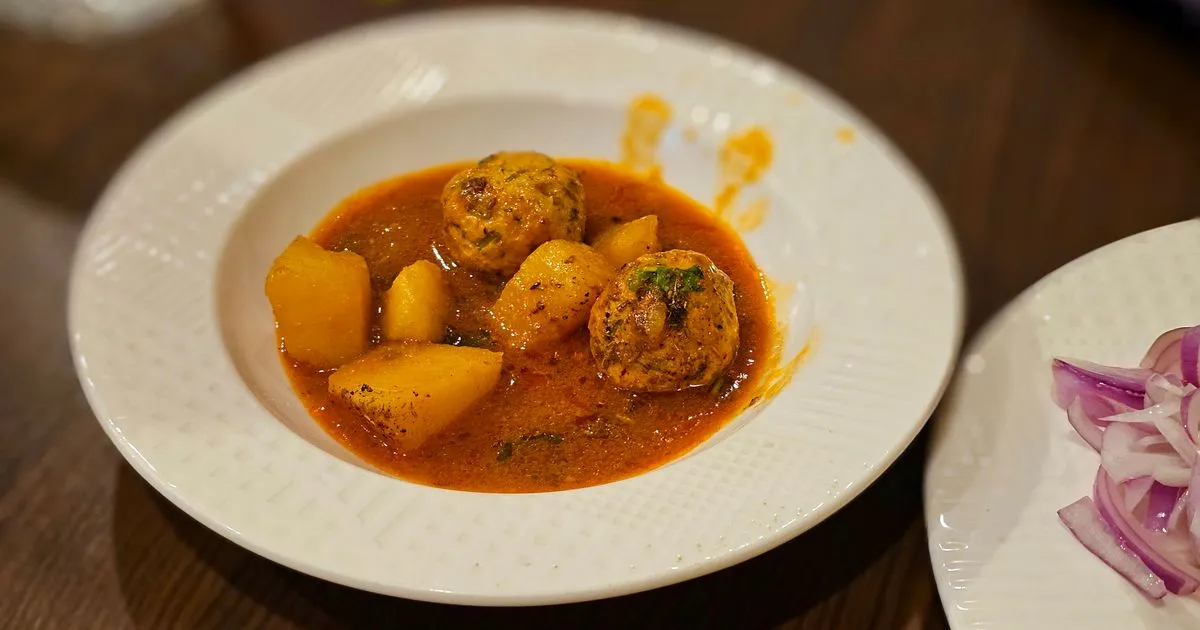
Ghanaian meatball stew is a beloved West African comfort dish - seasoned beef meatballs, flecked with nutmeg and garlic, fried until golden, then gently simmered in a rich tomato-based gravy with bell peppers and onions. Unlike Western meatball recipes that rely on heavy breadcrumb binders, Ghanaian meatballs use egg and a light flour coating, letting the beef itself take center stage. The result is a deeply savory, satisfying stew that pairs perfectly with rice, yams, or fried plantains.
This one-pot meal is a staple of Ghanaian home cooking, often served at family gatherings and Sunday dinners. The technique is straightforward: season the meat, roll and flour the meatballs, fry them for a crisp exterior, then let them soak up flavor in a slow-simmered tomato gravy. The signature ingredient is nutmeg - warm and aromatic, it sets Ghanaian meatballs apart from their Nigerian or Caribbean cousins.
Key Takeaways
- Nutmeg is the defining spice in Ghanaian meatball stew - do not skip it
- Coating the meatballs in flour before frying creates a light, golden crust that holds up during simmering
- Letting the meatball mixture rest for 15 minutes gives the flavors time to meld
- The stew base needs to cook until the oil separates - this is how you know the raw tomato taste is gone
- Serve over rice, yams, or with fried plantains for an authentic Ghanaian meal
How to Make Ghanaian Meatball Stew
-
Prepare the meatball mixture. In a large bowl, combine the ground beef, beaten egg, finely chopped onion, minced garlic, nutmeg, salt, cayenne pepper, lemon juice, and meat tenderizer (if using). Mix gently with your hands until the ingredients are just combined - do not overwork the meat. Cover and let rest for 15 to 20 minutes.
-
Shape and flour the meatballs. Roll the mixture into 16 meatballs, about 1.5 inches across. Spread the all-purpose flour on a plate and roll each meatball in the flour to coat lightly. Shake off any excess - the flour should be a thin dusting, not a thick crust.
-
Fry the meatballs. Heat 2 tablespoons of vegetable oil in a large skillet over medium heat. Fry the meatballs in batches, turning gently with a spatula, for 3 to 4 minutes per side until golden brown all over. Do not crowd the pan - the meatballs need room to brown evenly. Transfer to a plate and set aside.
-
Start the stew base. In the same pot, add the remaining 1 tablespoon of oil. Saute the sliced onion and green bell pepper for 3 to 4 minutes until softened and the onion turns translucent. The browned bits left from the meatballs add depth to the sauce.
-
Bloom the tomato paste. Add the tomato paste and cook, stirring constantly, for 1 to 2 minutes until the paste darkens to a deep brick red and smells rich and sweet. This step intensifies the tomato flavor and removes the raw, tinny taste.
-
Build the gravy. Pour in the tomato sauce, sliced tomato, whole scotch bonnet pepper (if using), and beef broth. Stir well, scraping up any browned bits from the bottom of the pot. Bring to a gentle simmer and cook 5 to 6 minutes, stirring occasionally, until the sauce thickens and oil floats on the surface. This is the sign that the stew base is ready.
-
Simmer the meatballs in the sauce. Gently place the fried meatballs into the simmering sauce. Cover the pot, reduce the heat to low, and cook for 10 to 12 minutes, turning the meatballs once halfway through. The meatballs absorb the sauce during this stage, so they stay juicy and flavorful.
-
Finish and serve. Taste the sauce and adjust salt if needed. Remove the whole scotch bonnet pepper if you want a milder heat level. Garnish with fresh parsley or cilantro. Serve hot over white rice, jollof rice, yams, or with fried plantains on the side.
Ingredients
For the Meatballs
- 1 lb (450 g) ground beef, 80/20
- 1 large egg, slightly beaten
- 1/2 cup finely chopped onion
- 2 cloves garlic, minced
- 1 tsp ground nutmeg
- 1 tsp kosher salt
- 1/2 tsp cayenne pepper or black pepper
- 1 tsp lemon juice
- 1 tsp meat tenderizer (optional)
- 1/4 cup all-purpose flour (for coating)
For the Stew
- 3 tbsp vegetable oil, divided
- 2 tbsp tomato paste
- 1 medium onion, sliced
- 1 green bell pepper, sliced
- 1 cup tomato sauce
- 1 large tomato, peeled and sliced
- 1 scotch bonnet pepper, whole (optional)
- 1 cup beef broth or water
- Salt to taste
- Fresh parsley or cilantro for garnish
- White rice, jollof rice, yams, or plantains for serving
The Role of Nutmeg in Ghanaian Meatballs
Nutmeg is the defining flavor of Ghanaian meatball stew, and it is what sets this dish apart from other West African meatball recipes. The warm, slightly sweet spice pairs beautifully with the savory beef and the rich tomato gravy. In Ghanaian cooking, nutmeg appears in everything from meatballs to stews and even some breads - it is a pantry staple, not a holiday spice.
Freshly grated nutmeg is noticeably more aromatic than pre-ground. If you have whole nutmegs in your spice drawer, grate them on a microplane directly into the meatball mixture. The volatile oils in freshly grated nutmeg deliver a brighter, more complex flavor that infuses the entire dish.
What to Serve with Ghanaian Meatball Stew
In Ghana, this stew is almost always served over a starch that soaks up the rich tomato gravy. The most common accompaniments are:
- White rice - simple steamed rice lets the stew shine
- Jollof rice - for a double dose of West African flavor
- Boiled yams - starchy and hearty, sliced yams hold the gravy well
- Fried plantains (kelew) - sweet, caramelized plantains balance the savory, spicy stew
- Fufu - the traditional fermented cassava and plantain dough, used for scooping
- Pineapple slices - a surprisingly common Ghanaian side, the sweetness cuts through the rich sauce
Variations
- Ground turkey or chicken - substitute for beef for a lighter version; reduce nutmeg slightly and add a splash of oil to keep the meatballs moist
- Extra vegetables - add diced carrots, green beans, or peas to the stew along with the bell peppers
- Coconut milk gravy - replace half the broth with coconut milk for a creamy, tropical twist
- Baked meatballs - skip the frying step and bake the meatballs at 400F (200C) for 18 to 20 minutes, then add to the sauce
- Spicier version - chop the scotch bonnet pepper instead of leaving it whole, or add a teaspoon of cayenne pepper to the sauce
Storage and Reheating
Ghanaian meatball stew keeps well in the refrigerator for up to 4 days in an airtight container. The flavors actually deepen overnight as the meatballs continue to absorb the sauce. To reheat, warm the stew gently in a covered pot over low heat, stirring occasionally, for about 10 minutes. Add a splash of water or broth if the sauce has thickened too much.
The stew freezes beautifully for up to 3 months. Cool completely, transfer to a freezer-safe container, and thaw overnight in the refrigerator before reheating.
FAQ
What is Ghanaian meatball stew made of?
Ghanaian meatball stew is made from ground beef seasoned with onion, garlic, nutmeg, cayenne pepper, and lemon juice, formed into meatballs, coated in flour, fried until golden, and simmered in a tomato gravy with bell peppers, onions, and tomato sauce. The nutmeg is the signature spice that distinguishes it from other meatball stews.
Is Ghanaian meatball stew spicy?
It can be. The recipe includes cayenne pepper in the meatballs and a whole scotch bonnet pepper in the stew. Leaving the pepper whole adds a mild, aromatic heat without overwhelming the dish. For a spicier stew, chop the scotch bonnet before adding it. For a milder version, omit the scotch bonnet and reduce the cayenne.
What is the difference between Ghanaian and Nigerian meatball stew?
Both are West African meatball stews simmered in tomato sauce, but the seasoning differs. Ghanaian meatballs rely on nutmeg as the primary warm spice, with a lighter, more aromatic profile. Nigerian meatball stew typically uses curry powder, thyme, and stock cubes for a more earthy, herbal flavor. The Ghanaian version also uses a flour coating on the meatballs, while Nigerian meatballs are typically baked or fried without flour.
Can I make Ghanaian meatball stew ahead of time?
Yes. The stew tastes even better the next day because the meatballs have more time to absorb the sauce. Prepare the full recipe, cool completely, and refrigerate. Reheat gently on the stove before serving. It also freezes well for up to 3 months.
What can I use instead of scotch bonnet pepper?
Habanero pepper is the closest substitute - it has a similar fruity heat level. For less heat, use a serrano pepper or a jalapeno. For no heat at all, use a small green bell pepper. The scotch bonnet adds both heat and a distinct fruity aroma, so the flavor will change slightly with each substitution.
What is meat tenderizer and is it necessary?
Meat tenderizer is a powder made from papain, a natural enzyme extracted from papaya. It breaks down proteins in meat, making the meatballs more tender and less dense. It is common in Ghanaian cooking but not strictly necessary. If you do not have it, omit it or substitute 1/2 teaspoon of baking soda mixed with 1 tablespoon of water.
Sources
- Ghana Meatball Stew - TasteAtlas
- Ghana Meatball Stew Recipe - Excited Food
- Ghana Meatball Stew - Recipes Wiki
- Ghana Meatball Stew - BigOven
- Ghana Meatball Stew - Evolution of Flavour
Related Posts
- Nigerian Meatball Stew (Spiced Beef in Pepper Tomato Sauce) - West African meatball stew with curry and thyme
- Suya Spice Meatballs (Nigerian Peanut-Spiced Beef) - West African street food flavors in meatball form
- Ethiopian Berbere Meatballs (Spiced Beef in Tomato Sauce) - East African spice-forward meatball stew
- South African Frikkadels (Baked Meatballs with Onion Gravy) - African meatball tradition from the south