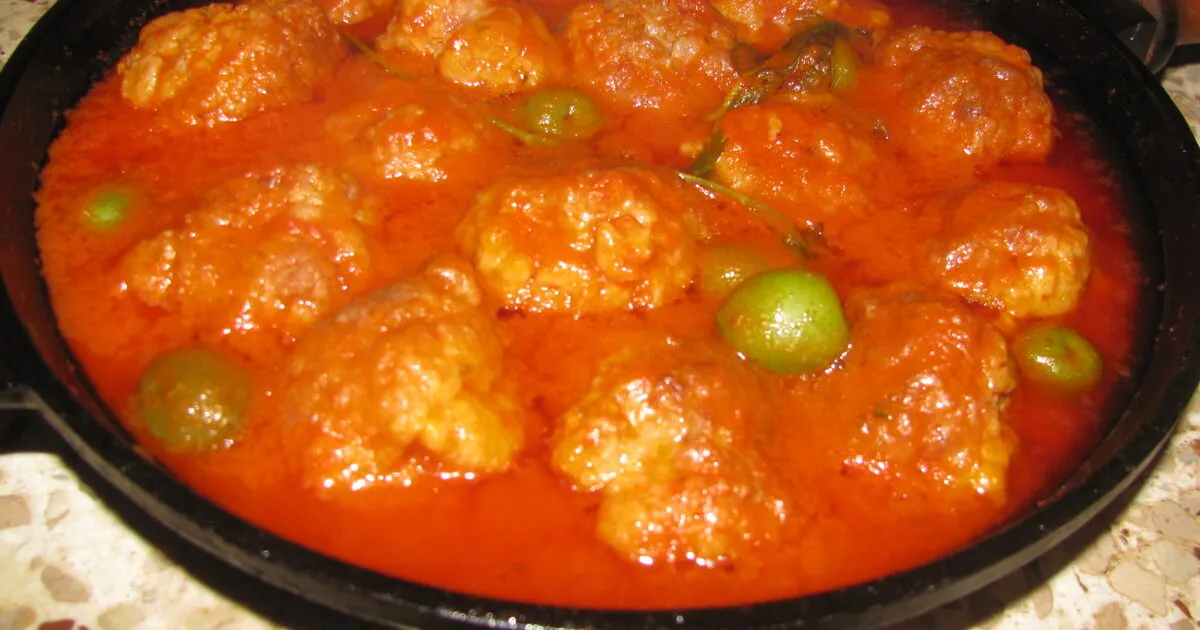
Tefteli, the Russian meatball, is comfort food with a built-in secret: instead of breadcrumbs, the meat is bound with cooked rice, so every ball stays tender and juicy while it simmers in sauce. It is the kind of dinner that shows up on Russian tables for Sunday family meals and weeknight rescues alike, served over mashed potatoes with the sauce spooned generously on top.
The dish is simple and forgiving - ground meat, rice, and onion shaped into balls, browned, then simmered in a creamy sour cream tomato sauce until the sauce thickens around them. The rice holds moisture, the sauce brings tang, and the whole thing comes together in one skillet in about an hour.
While Italian meatballs lean on breadcrumbs and herbs, tefteli are rounder, softer, and saucier, with a gentle tang from sour cream. It is Slavic home cooking at its most satisfying, and it freezes beautifully.
Key Takeaways
- Tefteli are Russian meatballs made with cooked rice instead of breadcrumbs.
- The rice holds moisture, so the meatballs stay tender through simmering.
- Brown the meatballs first, then finish them slowly in the sauce.
- Whisk the sour cream into the sauce off the heat to prevent curdling.
- Serve over mashed potatoes, rice, or fresh bread with the sauce on top.
How to Make Tefteli
- Cook 1/2 cup long-grain rice with 1 cup water in a small saucepan. Bring to a boil, cover, reduce to low, and simmer for 10 minutes until the water is absorbed. Spread the rice on a plate to cool completely.
- In a large bowl, combine the ground meat, cooled rice, grated onion, egg, salt, and black pepper. Mix with your hands just until evenly combined - overmixing makes the tefteli dense.
- Shape the mixture into golf-ball-size meatballs, about 12 to 16 total.
- Heat the oil in a wide skillet over medium-high. Brown the meatballs for 6 to 8 minutes, turning occasionally, until nicely colored on all sides. Transfer to a plate.
- Reduce the heat to medium. Melt the butter in the same skillet, add the diced onion and grated carrot, and cook for 5 to 7 minutes until soft.
- Stir in the flour and tomato paste and cook for 1 to 2 minutes. Pour in the broth, whisking until smooth, then stir in the sour cream and bay leaf. Season with salt and pepper.
- Return the meatballs to the skillet, spoon the sauce over them, cover, and simmer gently for 20 to 25 minutes, until fully cooked and tender.
- Rest for 5 minutes, remove the bay leaf, and serve over mashed potatoes with extra sauce spooned on top.
Ingredients
For the tefteli
- 1 lb (450 g) ground beef and pork mix (or all beef)
- 1/2 cup long-grain white rice, cooked halfway
- 1 small onion, grated
- 1 large egg
- 1 tsp fine salt, plus more to taste
- 1/2 tsp black pepper
- 2 tbsp vegetable oil, for browning
For the sauce
- 1 tbsp butter
- 1 small onion, finely diced
- 1 medium carrot, grated
- 1 tbsp all-purpose flour
- 2 tbsp tomato paste
- 1 cup (240 ml) chicken broth or water
- 1/2 cup (120 g) sour cream
- 1 bay leaf (optional)
What Is Tefteli?
Tefteli (тефтели) are Russian meatballs, round balls of ground meat mixed with cooked rice and grated onion, seared, then simmered in a sauce. The name traveled a long road to reach Russian kitchens: it comes from the Persian kufte (pounded meat), passed through Ottoman Turkish köfte, into Romanian chiftea, and then by way of Yiddish into Russian as tefteli.
The defining feature is the rice. Where Italian meatballs use bread soaked in milk and Americans use breadcrumbs, Russian tefteli fold in precooked long-grain rice. The starch absorbs and holds moisture, so the balls come out soft and juicy instead of dense, and the grains peeking out of the surface gave them the nickname “porcupine meatballs.”
Tefteli are usually simmered in one of three sauces: a plain sour cream sauce, a tomato sauce, or the most common home-style version, sour cream and tomato combined. For more Eastern European meatball ideas, see the Hungarian meatball recipes collection.
Tefteli vs Kotlety
Tefteli and kotlety are the two great Slavic ground-meat dishes, and they are often confused.
Kotlety are flat, oval patties, closer to a hamburger, bound with bread soaked in milk and pan-fried on both sides without a sauce. They are the weeknight staple of Ukrainian and Russian home cooking, and we have a full recipe for Ukrainian kotlety.
Tefteli are round balls made with rice instead of bread, and they are always finished in a sauce that simmers with them. The sauce does the work: it keeps the meatballs moist, thickens as it reduces, and turns the dish into a one-pan meal.
If you want crispy edges, make kotlety. If you want spoonable sauce and fall-apart-tender balls, make tefteli.
Why Half-Cooked Rice Works
The rice in tefteli serves two jobs: it absorbs meat juices so the balls stay moist, and it stretches the meat for a more economical supper. The trick is to cook it only halfway, about 10 minutes, before mixing it into the meat.
Half-cooked rice is still firm enough to hold its shape in the meatball, and it finishes cooking during the 20 to 25 minute simmer in the sauce. Fully cooked rice can turn to mush; raw rice stays hard and crunchy. Cooling the rice completely before mixing also matters - warm rice loosens the mixture and makes shaping messy.
For the same tender, saucy style in another Slavic tradition, try Polish klopsiki in dill sauce.
Sauce Variations
The sour cream tomato sauce here is the classic home-style version, but the dish welcomes variation.
Sour cream only: Skip the tomato paste and use a full cup of sour cream for a pale, rich sauce, the kind served at Russian holiday tables.
Tomato only: Skip the sour cream for a brighter tomato sauce. Veronika’s Kitchen simmers tefteli directly in crushed tomatoes with garlic and basil, no browning step needed.
Gluten-free: Swap the flour for a tablespoon of cornstarch whisked into cold water, or omit it and simmer the sauce longer to thicken naturally.
Chicken or turkey: Ground chicken or turkey works fine in place of beef and pork. Add a tablespoon of oil or butter to the mixture to keep leaner poultry moist.
Make Ahead and Storage
Tefteli are one of the best make-ahead dinners in Slavic cooking. The meatballs freeze well and the sauce does, too.
To freeze raw, shape the meatballs, place them on a tray lined with parchment, and freeze until firm, then transfer to a freezer container for up to 3 months. Thaw overnight in the fridge, then brown and simmer as directed. Cooked tefteli keep in the fridge for up to 5 days in an airtight container.
Reheat gently on the stove over low heat with a splash of water or broth to loosen the sauce. Because the rice and sauce both hold moisture well, leftovers taste almost as good the next day - often better.
Serving Ideas
Mashed potatoes are the classic partner; the sauce sinks into them and turns every bite creamy. The porcupine ridges of rice also pair well with boiled potatoes, egg noodles, buckwheat, or a hunk of fresh rye bread for dipping.
For a full Russian-style spread, serve tefteli with pickled cucumbers, sauerkraut, or a simple cucumber and dill salad on the side. Leftover sauce is excellent over the mashed potatoes alone, so do not skimp.
FAQ
What are tefteli?
Tefteli are Russian meatballs made with ground meat, cooked rice, and grated onion, seared and simmered in a sauce. The rice replaces the breadcrumbs used in Italian and American meatballs and keeps the balls tender and juicy.
What is the difference between tefteli and kotlety?
Kotlety are flat, oval patties bound with milk-soaked bread and pan-fried without sauce. Tefteli are round balls made with rice and simmered in a sauce. Kotlety are crispy; tefteli are saucy.
What sauce goes on tefteli?
The classic options are sour cream sauce, tomato sauce, or a combination of both. This recipe uses sour cream and tomato paste whisked with broth for a smooth, tangy sauce.
Why is there rice in tefteli?
The rice absorbs moisture from the meat and sauce, keeping the tefteli soft and tender as they simmer. It also stretches the meat, making the dish economical.
Can I make tefteli gluten-free?
Yes. Replace the flour with cornstarch mixed into cold water, or leave it out and simmer the sauce a little longer to thicken on its own. The meatballs themselves contain no wheat.
How long do tefteli keep?
Cooked tefteli keep for up to 5 days in the fridge and freeze for up to 3 months. Reheat gently on the stove with a splash of broth.
