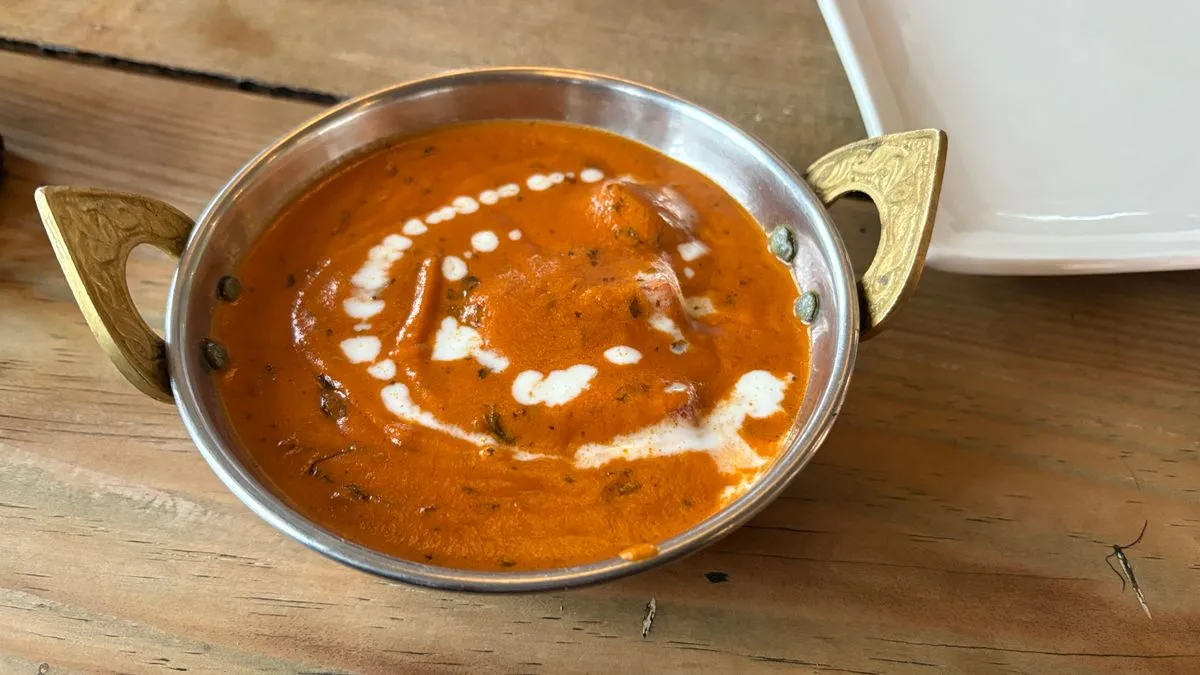
Kashmiri Rista is a signature dish of the legendary Wazwan - the grand 36-course feast of Kashmir. Soft, hand-pounded lamb meatballs simmer in a vibrant saffron-red curry made with Kashmiri chili powder, cardamom, and saffron. The result is a dish that looks as regal as it tastes.
The name Rista comes from the Persian word “ras,” meaning juice - a reference to the rich, flavorful sauce that coats the meatballs. Unlike most Indian meatball curries, Rista uses minimal spices. The focus is on the quality of the meat, the texture of the meatballs, and the deep red color of the gravy. Kashmiri chili powder provides that signature hue without overwhelming heat.
If you enjoy Indian meatball curries, also try our Butter Chicken Meatballs for a creamy makhani twist, or Indian Meatball Curry (Kofta) for a classic South Asian take on spiced meatballs.
Key Takeaways
- Use a panade for tenderness. Soaking breadcrumbs in milk before adding them to the meat creates a moisture-locking paste that keeps the meatballs soft instead of dense.
- Do not overmix the meat. Overworking the lamb develops the proteins and makes the meatballs tough. Mix until just combined and stop.
- Cook in batches. Crowding the pan causes the meatballs to steam instead of brown. Leave at least an inch between each meatball for a proper sear.
- Temper the yogurt. Adding yogurt to a hot pan can cause it to curdle. Stir continuously for the first 2 minutes to prevent splitting.
- Use Kashmiri chili powder. Regular chili powder will make the dish too hot. Kashmiri chili provides the signature red color without overwhelming heat.
How to Make Kashmiri Rista
-
Make the panade. In a small bowl, soak the panko breadcrumbs in the milk for 2 to 3 minutes until absorbed. This keeps the meatballs tender.
-
Mix the meatball mixture. In a large bowl, combine the ground lamb, soaked breadcrumbs, egg white, cardamom, and salt. Mix gently with your hands until just combined. Do not overmix.
-
Shape the meatballs. With damp hands, form the mixture into 20 meatballs, each about 1.5 inches across.
-
Brown the meatballs. Heat 1 tablespoon ghee in a large deep skillet or Dutch oven over medium-high heat. Add the meatballs in batches and cook for 2 to 3 minutes per side until browned on all sides. Remove to a plate.
-
Cook the aromatics. In the same pan, add the remaining 2 tablespoons ghee. Add the diced onion and cook for 5 to 6 minutes until golden. Add the garlic and ginger and cook for 1 minute until fragrant.
-
Build the curry. Stir in the Kashmiri chili powder, turmeric, fennel, cumin, and cloves. Cook for 30 seconds until fragrant. Add the yogurt and stir constantly for 2 minutes to prevent curdling.
-
Simmer the meatballs. Pour in the water and saffron water. Bring to a gentle boil, then reduce heat to low. Return the meatballs to the pan. Cover and simmer for 25 to 30 minutes until the meatballs are cooked through and the sauce has thickened.
-
Rest and serve. Let the rista rest for 5 minutes off heat. Garnish with fresh cilantro and serve hot over steamed basmati rice.
Ingredients
| Ingredient | Amount | Notes |
|---|---|---|
| Ground lamb | 1 lb (450 g) | 15-20% fat for best flavor |
| Panko breadcrumbs | 1/4 cup | Or fresh breadcrumbs |
| Milk | 3 tbsp | Any fat percentage |
| Egg white | 1 large | Binder, lighter than whole egg |
| Ground cardamom | 1/2 tsp | Freshly ground if possible |
| Salt | 1/4 tsp | |
| Ghee or vegetable oil | 3 tbsp, divided | Ghee adds richer flavor |
| Onion | 1 large, finely diced | Yellow or white |
| Garlic | 4 cloves, minced | Fresh only |
| Ginger | 1 tbsp, grated | Fresh root preferred |
| Kashmiri red chili powder | 2 tbsp | Provides color, mild heat |
| Ground turmeric | 1 tsp | |
| Ground fennel | 1/2 tsp | Sweet, anise-like warmth |
| Ground cumin | 1/2 tsp | |
| Ground cloves | 1/4 tsp | Just a pinch |
| Plain full-fat yogurt | 1/2 cup | Full-fat prevents curdling |
| Saffron threads | 1/4 tsp | Steeped in 2 tbsp warm water |
| Water or lamb stock | 2 cups | Stock adds deeper flavor |
| Fresh cilantro | For garnish | |
| Steamed basmati rice | For serving |
What Is Kashmiri Rista?
Rista is one of the most celebrated dishes of Kashmiri Wazwan - a grand feast traditionally prepared for weddings, festivals, and special occasions. The Wazwan is a 36-course meal where each dish has its own distinct identity, and Rista stands out for its simplicity and elegance.
What makes Rista unique is the technique. Traditionally, the lamb is hand-pounded with a wooden mallet called a goshpare on a stone block for up to an hour. This pounding releases natural collagen and creates a smooth, elastic paste that gives Rista its characteristic springy texture. The modern shortcut is to process the meat in a food processor, which achieves a similar result in minutes.
The sauce is intentionally streamlined. Unlike complex Indian curries with dozens of spices, Rista relies on just a few: Kashmiri chili powder for color, saffron for aroma, cardamom for warmth, and turmeric for depth. This restraint lets the quality of the meat and the richness of the sauce speak for themselves.
Tips for the Best Kashmiri Rista
Choose fatty lamb. Ground lamb with 15 to 20 percent fat keeps the meatballs juicy during the long simmer. Extra-lean lamb will produce dry, crumbly meatballs. If you cannot find ground lamb, a 50/50 blend of ground beef and ground pork works as a substitute.
Use Kashmiri chili powder. This is non-negotiable for authentic Rista. Kashmiri chili powder is ground from dried Kashmiri chilies, which provide vibrant red color with minimal heat (1000 to 2000 Scoville units). Regular chili powder or cayenne will make the dish too spicy and the color will be wrong.
Temper the yogurt carefully. Yogurt can curdle when added to a hot pan. Reduce the heat before adding it, and stir constantly for the first 2 minutes. Full-fat yogurt is more stable than low-fat. Some cooks whisk a teaspoon of cornstarch into the yogurt before adding it as insurance.
Rest the meatballs before serving. After simmering, let the Rista rest for 5 minutes off heat. This allows the meatballs to absorb more of the sauce and the flavors to meld. The sauce will also thicken slightly as it cools.
Serve with basmati rice. Rista is traditionally served over steamed basmati rice, which soaks up the saffron-red sauce. The plain rice balances the richness of the meatballs and allows the delicate spice flavors to shine.
Variations
Chicken Rista. For a lighter version, swap the lamb for ground chicken. Add 1 tablespoon of olive oil to the mixture since chicken is leaner. Cook for the same time. The sauce will be milder but still beautiful.
Rista with yogurt-yakhni sauce. For a creamier version, increase the yogurt to 1 cup and reduce the water to 1 cup. The sauce becomes thicker and more richly flavored, closer to a traditional yakhni preparation.
Baked Rista. Preheat the oven to 375F (190C). Brown the meatballs on the stovetop, then transfer them to a baking dish with the sauce. Cover and bake for 25 to 30 minutes. The hands-off method works well for larger batches.
Make-ahead and freeze. Shape the raw meatballs and freeze them on a parchment-lined baking sheet until solid, about 2 hours. Transfer to a zip-lock bag and freeze for up to 3 months. Cook from frozen - add 5 to 7 minutes to the total simmer time.
Storage and Reheating
Cooked Kashmiri Rista keeps in an airtight container in the refrigerator for up to 4 days. Reheat in a skillet over medium-low heat for 4 to 5 minutes, adding a splash of water if the sauce has thickened too much. The meatballs also freeze well for up to 3 months - thaw overnight in the fridge before reheating.
Frequently Asked Questions
What makes Kashmiri Rista different from other Indian meatballs?
Rista uses a minimal spice palette - just Kashmiri chili, saffron, cardamom, and turmeric - compared to the complex spice blends in most Indian curries. The meatballs are traditionally hand pounded instead of ground, creating a uniquely smooth, springy texture. The vibrant red color comes from Kashmiri chili powder, not tomatoes or cream.
Can I use regular chili powder instead of Kashmiri?
You can, but the dish will be much hotter and the color will be different. Kashmiri chili powder is prized for its deep red color and mild heat (1000 to 2000 Scoville units). If you substitute, use half the amount and add paprika for color. The heat level will still be higher than authentic Rista.
Do I need to hand-pound the meat?
Traditionally yes, but processing the lamb in a food processor for 2 to 3 minutes achieves a similar smooth texture. The pounding technique creates a slightly more elastic, springy meatball, but the food processor version is excellent and far more practical for home cooks.
What is the best rice to serve with Kashmiri Rista?
Steamed basmati rice is the traditional accompaniment. The long, fluffy grains soak up the saffron-red sauce beautifully. For an extra touch, add a pinch of saffron to the rice water while it cooks to make saffron rice (zafrani chawal).
Can I make Kashmiri Rista ahead of time?
Yes. Cook the Rista completely, let it cool, and refrigerate for up to 4 days. The flavors actually improve overnight as the meatballs absorb more of the sauce. Reheat gently over medium-low heat, adding a splash of water if needed.
Is Kashmiri Rista spicy?
Not particularly. Despite its vibrant red color, Rista is a moderately spiced dish. Kashmiri chili powder provides color and mild warmth, not fiery heat. The yogurt in the sauce further tempers any spiciness. It is approachable for most palates.