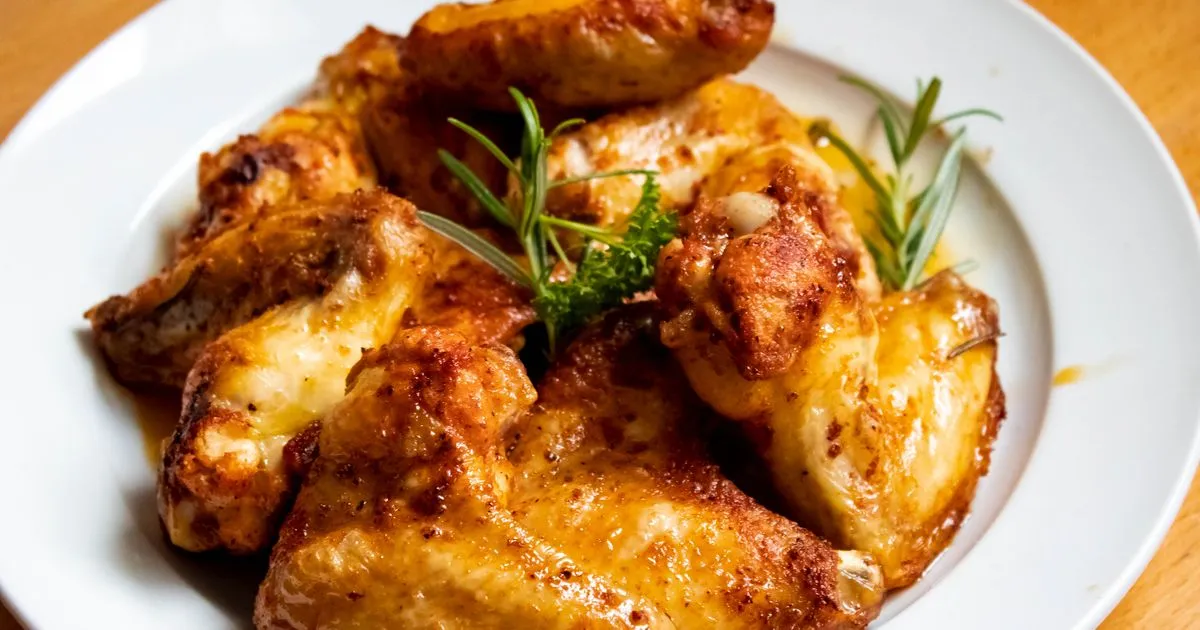
Senegalese yassa is one of West Africa’s most beloved dishes: meat marinated in a punchy mix of lemon, mustard, and mountains of onions, then slow-cooked until the onions melt into a sweet-tart sauce. Traditionally made with chicken or fish, the yassa treatment works just as well with ground lamb formed into meatballs.
The result is Senegalese yassa meatballs - savory lamb spheres with a deep seared crust, sitting in a bed of caramelized onions brightened by Dijon mustard and fresh lemon. It is the kind of dish that makes your kitchen smell like a Senegalese kitchen on a Sunday afternoon.
How to Make Senegalese Yassa Meatballs
- Place ground lamb in a large bowl. Add garlic, grated onion, lemon zest, 2 tablespoons lemon juice, parsley, green onions, salt, cayenne, cumin, coriander, egg, and breadcrumbs. Mix gently with your hands until just combined.
- Shape into 12 to 15 meatballs, about 1.5 inches (4 cm) across. Make them slightly oval rather than perfectly round for better browning. Place on a plate and refrigerate 15 minutes to firm up.
- Heat 2 tablespoons oil in a large skillet over medium-high heat. Add meatballs and sear 2 to 3 minutes per side until deeply browned on all sides. Work in batches if needed. Transfer to a plate.
- In the same skillet, add all the sliced onions. Cook over medium heat, stirring occasionally, for 15 to 18 minutes until deeply caramelized and golden. Add a splash of water if the pan gets too dry.
- Whisk together Dijon mustard, 1/4 cup lemon juice, chicken broth, salt, and pepper in a small bowl. Pour over the caramelized onions and stir to combine.
- Nestle the seared meatballs back into the onion mixture. Cover and simmer 10 to 12 minutes until the meatballs are cooked through and the sauce has thickened.
- Remove bay leaves. Taste and adjust lemon and salt. Serve over steamed white rice with fresh parsley and lemon wedges.
Ingredients
- 1 lb (450 g) ground lamb - 80/20 fat ratio keeps the meatballs juicy. Ground beef works as a substitute.
- 3 garlic cloves, minced
- 1/2 small onion, finely grated - grating releases more juice than chopping, which helps bind the meatballs
- Zest of 1 lemon + 2 tbsp fresh lemon juice - two layers of lemon: zest for aroma, juice for brightness
- 2 tbsp fresh parsley, finely chopped
- 3 green onions, thinly sliced (green parts only)
- 1 tsp kosher salt + 1/2 tsp cayenne pepper
- 1 tsp ground cumin + 1 tsp ground coriander
- 1 large egg, lightly beaten - binds without making the texture rubbery
- 1/2 cup (60 g) plain breadcrumbs - absorbs moisture and keeps meatballs tender
- 2 tbsp vegetable oil - for searing
For the Yassa Sauce:
- 4 large onions, thinly sliced (about 6 cups) - this is not a typo; yassa is defined by its onions
- 3 tbsp Dijon mustard - the backbone of yassa’s tangy flavor
- 1/4 cup (60 ml) fresh lemon juice - about 2 lemons
- 1/4 cup (60 ml) vegetable oil
- 2 dried bay leaves
- 1 tsp kosher salt + 1/2 tsp black pepper
- 1/2 cup (120 ml) chicken broth
What Is Yassa?
Yassa is a Senegalese cooking technique centered on onions marinated and slow-cooked with mustard, lemon, and peppers. It originated in the Casamance region of southern Senegal and spread throughout West Africa. The most famous version is poulet yassa (chicken yassa), but the same onion-lemon-mustard sauce works with fish, lamb, beef, or ground meat.
The key to yassa is patience with the onions. They need to caramelize slowly over medium heat for 15 to 20 minutes until they turn golden and sweet. Rushing this step with high heat gives you burnt edges and raw centers instead of the silky, jammy texture that defines the dish.
Tips for Perfect Yassa Meatballs
Do not overmix the meat. Combine the lamb and seasonings until just blended. Overworking ground lamb makes the meatballs dense and tough. Mix gently, stop when the spices are evenly distributed, and move on.
Shape slightly oval. Round meatballs have less surface area touching the pan, which means less browning. A slightly flattened oval shape gives you more golden crust per bite.
Batch your sear. Crowding the skillet drops the temperature and steams the meat instead of searing it. Brown in two batches if your skillet is not large enough to hold all the meatballs in a single layer.
Use enough onions. Four large onions sounds like a lot, but they shrink to about a third of their volume during caramelization. The onions are not a garnish here - they are half the dish.
Marinate the onion mixture (optional). For deeper flavor, toss the sliced onions with the mustard, lemon juice, and oil the night before and refrigerate. This mimics the traditional yassa marinade and gives the onions a head start on flavor.
Variations
- Ground beef or chicken: Swap the lamb for ground beef (80/20) or ground chicken. Beef gives a richer, more familiar flavor. Chicken is lighter and works well with extra cayenne.
- Goat cheese stuffed: Press a small cube of goat cheese into the center of each meatball before shaping. The cheese melts during simmering and adds a creamy tang that pairs with the lemon sauce.
- Spicier yassa: Add 1 or 2 scotch bonnet peppers, whole, to the onion mixture while simmering. Remove before serving. This is traditional in Senegalese cooking - the peppers flavor the sauce without overwhelming heat.
- Grilled version: Skip the skillet sear and grill the meatballs over medium-high heat for 8 to 10 minutes, turning occasionally. Serve the yassa onions spooned over the top.
Serving Suggestions
Senegalese yassa meatballs are traditionally served over steamed white rice, which soaks up the tangy onion sauce. Other options:
- With couscous - the sauce clings to the grains
- With crusty bread - for mopping up every bit of onion
- With fried plantains - adds sweetness that balances the mustard
- Over cauliflower rice - for a low-carb option
Storage and Reheating
Refrigerate leftovers in an airtight container for up to 4 days. The flavors improve overnight as the mustard and lemon continue to meld with the onions.
Reheat gently in a skillet over medium-low heat, adding a splash of broth if the sauce has thickened too much. Microwave works too - heat in 30-second intervals, stirring between each.
Freeze the meatballs and sauce together for up to 3 months. Thaw overnight in the refrigerator before reheating.
Frequently Asked Questions
Can I make yassa meatballs ahead of time? Yes. Shape the meatballs and refrigerate them for up to 24 hours before searing. You can also make the yassa onion sauce a day ahead and reheat it when ready to serve. The sauce tastes better after sitting.
What is the difference between yassa and other onion sauces? Yassa is defined by its mustard-lemon marinade. Other onion sauces might use tomato, cream, or wine as the base. Yassa’s signature is the sharp, tangy combination of Dijon mustard and fresh lemon juice cooked into deeply caramelized onions.
Can I use pre-sliced onions? You can, but hand-sliced onions caramelize more evenly because the slices are more uniform. Pre-sliced onions are often cut too thin and can burn before they caramelize properly.
Is this dish spicy? The cayenne in the meatballs adds mild heat. Traditional Senegalese yassa can be spicier with scotch bonnet peppers, but this recipe keeps the heat level accessible. Add more cayenne or a whole scotch bonnet to the sauce if you want more fire.
What wine pairs with yassa meatballs? A dry white wine with good acidity works best. Sauvignon Blanc, Albarino, or a dry Riesling all complement the lemon-mustard flavors without competing.
Sources
- Lamb Meatballs with Yassa Onions - Nik Snacks
- Senegalese Sauce Yassa Recipe - Food Fidelity
- Yassa (food) - Wikipedia
- Poulet Yassa - America’s Test Kitchen
Related Posts
- Ethiopian Berbere Meatballs - another African meatball with bold spice
- Nigerian Meatball Stew - West African comfort with pepper tomato sauce
- Suya Spice Meatballs - Nigerian peanut-spiced beef
- Moroccan Kefta with Preserved Lemon - North African lamb with citrus
- Algerian Kefta - spiced meatballs in tomato sauce