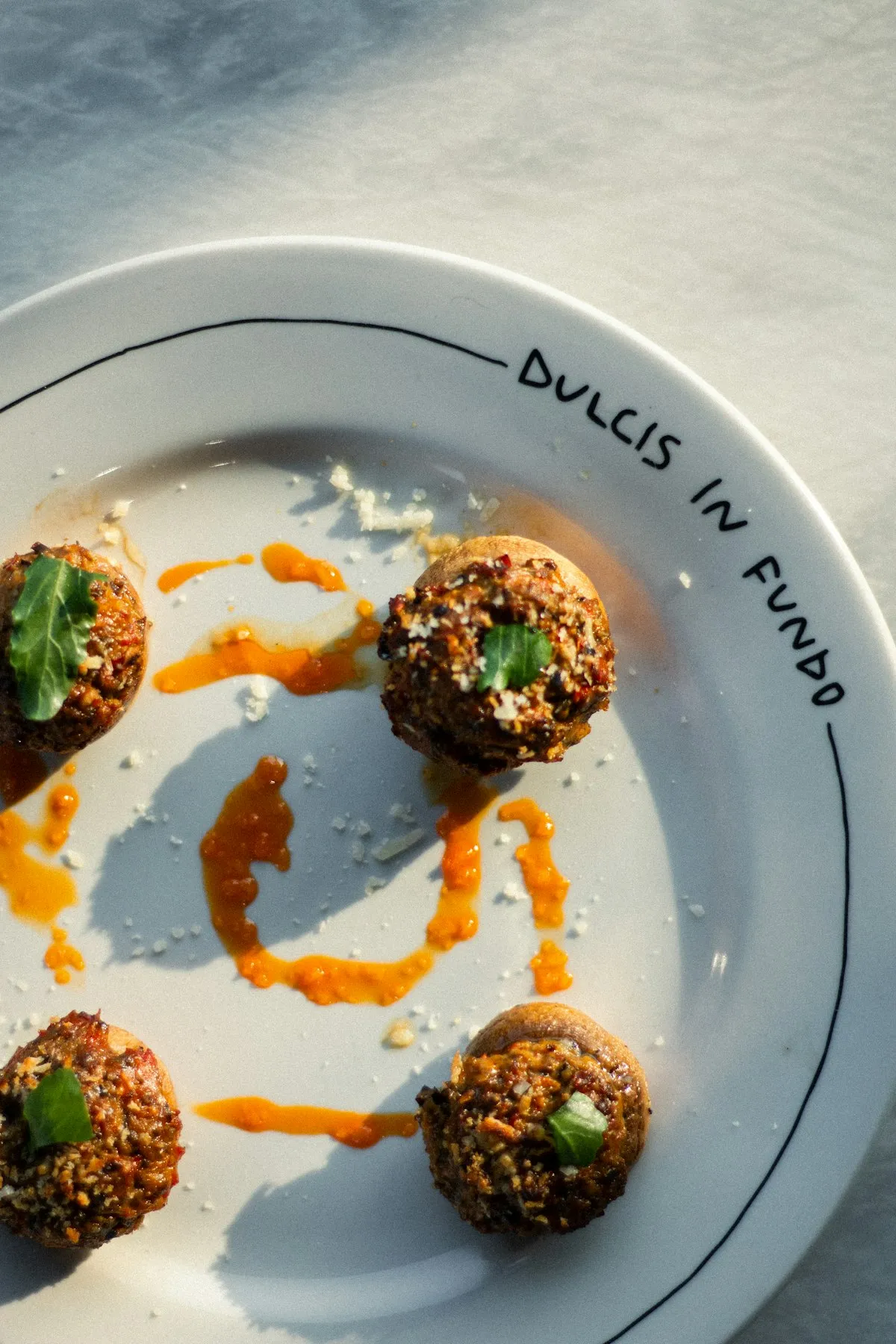
Hungarian paprika meatballs bring together tender, herb-flecked beef meatballs and a luxuriously creamy paprika sauce in one skillet. The sauce gets its vibrant red color and deep, warm flavor from genuine sweet Hungarian paprika - the backbone of dishes like chicken paprikash and goulash. Ready in 45 minutes, this is comfort food at its most satisfying.
If you love Swedish meatballs or Königsberger Klopse, Hungarian meatballs follow the same idea - browned meatballs served in a rich, silky sauce - but swap the allspice and capers for paprika, mushrooms, and sour cream. Serve them over buttered egg noodles, homemade spaetzle, or mashed potatoes with a cool cucumber salad on the side.
Prep time: 15 minutes. Cook time: 30 minutes. Total time: 45 minutes. Servings: 4 (about 20 meatballs).
Key Takeaways
- Use sweet Hungarian paprika - not generic supermarket paprika. Quality Hungarian paprika from the Kalocsa or Szeged regions has a deeper color and richer flavor than standard spice aisle brands.
- Make a roux for the sauce. Butter and flour cooked to a golden color gives the paprika sauce its silky body and prevents it from tasting thin.
- Add sour cream at the end and off high heat. Boiling sour cream causes it to curdle and split the sauce.
- Brown meatballs in batches to get a proper crust. Crowding the pan steams them instead.
- Mushrooms are traditional but optional. They add earthiness that complements the paprika. Leave them out if you prefer.
How to Make Hungarian Paprika Meatballs
-
Make the meatballs. In a large bowl, combine ground beef, egg, breadcrumbs, parsley, 1 tbsp dill, salt, pepper, and 1 tsp paprika. Mix gently with your hands until just combined. Do not overmix. Shape into 20 meatballs, about 1.5 inches across.
-
Brown the meatballs. Heat 2 tbsp oil in a large skillet over medium-high heat. Brown the meatballs in batches for 3 to 4 minutes per side until golden all over. They do not need to cook through at this stage. Transfer to a plate.
-
Cook the vegetables. Reduce heat to medium. Add 1 tbsp butter and the diced onion. Cook 5 to 6 minutes until soft and golden. Add garlic and cook 1 minute until fragrant. Add mushrooms and cook 5 to 6 minutes until they release their liquid and the pan is nearly dry. Transfer the mushroom mixture to a bowl and set aside.
-
Make the roux. Add 2 tbsp butter to the same skillet over medium heat. Once melted, whisk in the flour. Cook 2 to 3 minutes, whisking often, until the roux turns a deep golden color and smells nutty.
-
Build the sauce. Slowly pour in the hot beef broth while whisking constantly to prevent lumps. Add the heavy cream. Simmer 3 to 4 minutes until the sauce thickens enough to coat the back of a spoon.
-
Season the sauce. Stir in 2 tbsp paprika, salt, and pepper. Return the mushroom mixture to the pan. Stir in the sour cream and remaining 1 tbsp dill until smooth. Do not boil after adding the sour cream.
-
Finish the meatballs. Return the browned meatballs to the sauce. Stir to coat, then cover and simmer on low for 10 to 12 minutes until the meatballs reach an internal temperature of 160F (71C).
-
Serve immediately. Spoon meatballs and sauce over buttered egg noodles, spaetzle, or mashed potatoes. Garnish with fresh dill sprigs.
Ingredients
For the meatballs:
- 1 lb (450 g) ground beef, 80/20
- 1 large egg
- 1/3 cup plain breadcrumbs
- 2 tbsp fresh parsley, finely chopped
- 1 tbsp fresh dill, finely chopped
- 1 tsp kosher salt
- 1/4 tsp black pepper
- 1 tsp sweet Hungarian paprika
For the paprika sauce:
- 1 tbsp butter
- 1 medium yellow onion, diced
- 2 cloves garlic, minced
- 8 oz (225 g) cremini mushrooms, sliced
- 2 tbsp butter (for roux)
- 2 tbsp all-purpose flour
- 1 1/2 cups beef broth, hot
- 1/2 cup heavy cream
- 2 tbsp sweet Hungarian paprika
- 1/2 tsp salt
- 1/4 tsp black pepper
- 1/2 cup sour cream
- 1 tbsp fresh dill, chopped
For serving:
- Buttered egg noodles, spaetzle, or mashed potatoes
- Fresh dill sprigs for garnish
What Makes Hungarian Meatballs Different?
Hungarian meatballs stand apart from other European meatball styles because of paprika - specifically, the sweet Hungarian variety that defines the entire cuisine. Where Swedish meatballs lean on allspice and cream, and Königsberger Klopse rely on capers and anchovy, Hungarian meatballs build flavor through a generous amount of paprika stirred into both the meatball mixture and the sauce.
The sauce itself follows a classic Hungarian technique: saute onions and mushrooms, build a roux with butter and flour, whisk in broth and cream, then finish with a big spoonful of paprika and a dollop of sour cream. The result is a silky, vibrant orange-red sauce with warm, slightly sweet depth that coats every meatball.
The Spice Comparison
| Dish | Primary Spice | Sauce Base | Signature Finish |
|---|---|---|---|
| Hungarian Meatballs | Sweet paprika | Beef broth + cream + roux | Sour cream + dill |
| Swedish Meatballs | Allspice + nutmeg | Beef broth + cream | Lingonberry jam |
| Königsberger Klopse | White pepper + bay | Anchovy broth | Caper + lemon |
| French Onion Meatballs | Thyme + sherry | Beef broth | Gruyere cheese |
| Italian Sunday Meatballs | Oregano + basil | Crushed tomatoes | Parmesan + basil |
Why Quality Paprika Matters
Not all paprika is the same. Most paprika sold in US supermarkets is a generic blend with mild flavor and dull color. Hungarian paprika from the Kalocsa or Szeged regions of Hungary is made from specially grown peppers that produce a sweeter, more aromatic, and more vibrantly red spice.
For this recipe, you need sweet Hungarian paprika (also called edes). It delivers warm, fruity sweetness without heat. If you can find it, brands like Szeged or Kalocsa paprika are widely available online and at specialty stores. The difference is noticeable - the sauce will be brighter red and taste more complex.
Hot Hungarian paprika (eros) exists too but is not what this recipe calls for. If you want a spicy version, substitute 1 tbsp of the sweet paprika with hot paprika.
Tips for the Best Sauce
Make a proper roux. The roux - butter cooked with flour until golden - is what gives the sauce its body. Cook it for a full 2 to 3 minutes until it smells nutty and turns a light golden color. Undercooked roux tastes like raw flour. Overcooked roux turns bitter.
Use hot broth. Always add hot liquid to a hot roux. Cold broth hitting hot fat causes the roux to seize into lumps that are difficult to whisk smooth. Heat the broth in the microwave for 1 to 2 minutes or warm it in a small saucepan.
Stir in sour cream off the heat. Sour cream will curdle if boiled. After the sauce is built and the mushrooms are returned, reduce the heat to low or remove the pan from the burner entirely. Stir in the sour cream until smooth, then return the meatballs.
Add paprika to the sauce, not the roux. Stirring paprika into hot fat (the roux stage) can make it bitter. Add the paprika after the broth and cream are in the sauce, when the temperature is gentler.
Variations
Without Mushrooms
Skip the mushrooms entirely if you or your family do not like them. The sauce will be slightly thinner but still rich and flavorful. Add an extra 2 tbsp of beef broth to compensate for the missing mushroom liquid.
With Sour Cream Only (No Heavy Cream)
For a tangier, lighter sauce, replace the heavy cream with an equal amount of sour cream. Add it at the very end, off heat, and stir until smooth. The sauce will be thinner but bright and tangy.
Chicken or Turkey Version
Replace the ground beef with ground chicken or turkey. Add 1 tbsp of olive oil to the meatball mixture since poultry is leaner. Brown and simmer the same way. Cook until the internal temperature reaches 165F (74C) instead of 160F, per USDA poultry guidelines.
Crockpot Hungarian Meatballs
Brown the meatballs and make the sauce on the stovetop as directed. Transfer everything to a slow cooker. Cook on low for 3 to 4 hours. Stir in the sour cream during the last 15 minutes. This works well for entertaining.
What to Serve With Hungarian Meatballs
- Buttered egg noodles - the classic pairing. Wide egg noodles tossed with butter are the most common way to serve this dish in Hungary and Hungarian-American homes.
- Spaetzle - soft German-Hungarian egg dumplings that soak up the paprika sauce beautifully.
- Mashed potatoes - creamy mashed potatoes against the tangy paprika sauce is pure comfort.
- Cucumber salad - a cool, vinegar-dressed cucumber salad cuts through the richness of the cream sauce.
- Crusty bread - for mopping up every last drop of sauce from the plate.
- Steamed green beans or roasted carrots - a simple vegetable side to balance the richness.
Storage and Reheating
- Fridge: Store meatballs and sauce in an airtight container for up to 4 days. The flavors improve overnight as the paprika and sour cream meld.
- Reheat: Warm gently in a skillet over medium-low heat with a splash of beef broth to loosen the sauce if it has thickened. Stir occasionally. Do not boil.
- Freezer: Freeze meatballs and sauce (without the sour cream) for up to 3 months. Thaw overnight in the fridge. Reheat in a skillet, then stir in the sour cream and dill before serving.
- Make ahead: Brown the meatballs and build the sauce up to 2 days in advance. Keep covered in the fridge. Reheat gently and add sour cream before serving.
Frequently Asked Questions
What is the difference between Hungarian meatballs and Swedish meatballs?
Both are meatballs in a creamy sauce, but the flavor profiles are very different. Hungarian meatballs use sweet paprika, mushrooms, and sour cream with fresh dill. Swedish meatballs use allspice and nutmeg in the meat, with a beef broth cream sauce served with lingonberry jam. Hungarian meatballs have a warm, paprika-forward flavor, while Swedish meatballs are more subtly spiced.
Can I use regular paprika instead of Hungarian paprika?
You can, but the flavor and color will be noticeably different. Standard supermarket paprika is a mild blend with little depth. Hungarian paprika from the Kalocsa or Szeged regions has a richer, sweeter, more aromatic flavor and produces a more vibrant red sauce. If you can order it online or find it at a specialty store, it makes a significant difference.
Can I make these meatballs without mushrooms?
Yes. The mushrooms add earthiness but the recipe works without them. Skip the mushroom cooking step and go straight from sauteing the onion and garlic to building the roux. Add 2 tbsp extra beef broth to compensate for the missing mushroom moisture.
How do I keep the sour cream from curdling in the sauce?
Never boil the sauce after adding sour cream. Reduce the heat to low or remove the pan from the burner entirely before stirring it in. You can also temper the sour cream first: mix 2 tbsp of the hot sauce into the sour cream in a small bowl, then stir the warmed mixture back into the main sauce. This gradually raises the temperature without shocking the dairy.
What meat works best for Hungarian meatballs?
Ground beef (80/20) is the most common choice. Ground pork, ground veal, or a beef-pork blend all work well. In Hungary, a mix of pork and beef is traditional. Ground chicken or turkey can be used but is leaner - add 1 tbsp olive oil to the meatball mixture for moisture and cook to 165F (74C).
Can I make these ahead of time?
Yes. Brown the meatballs and build the sauce up to 2 days in advance. Keep them in separate containers in the fridge. When ready to serve, reheat the sauce gently, stir in the sour cream and dill, add the meatballs, and simmer covered for 10 minutes. This makes weeknight dinners very fast.