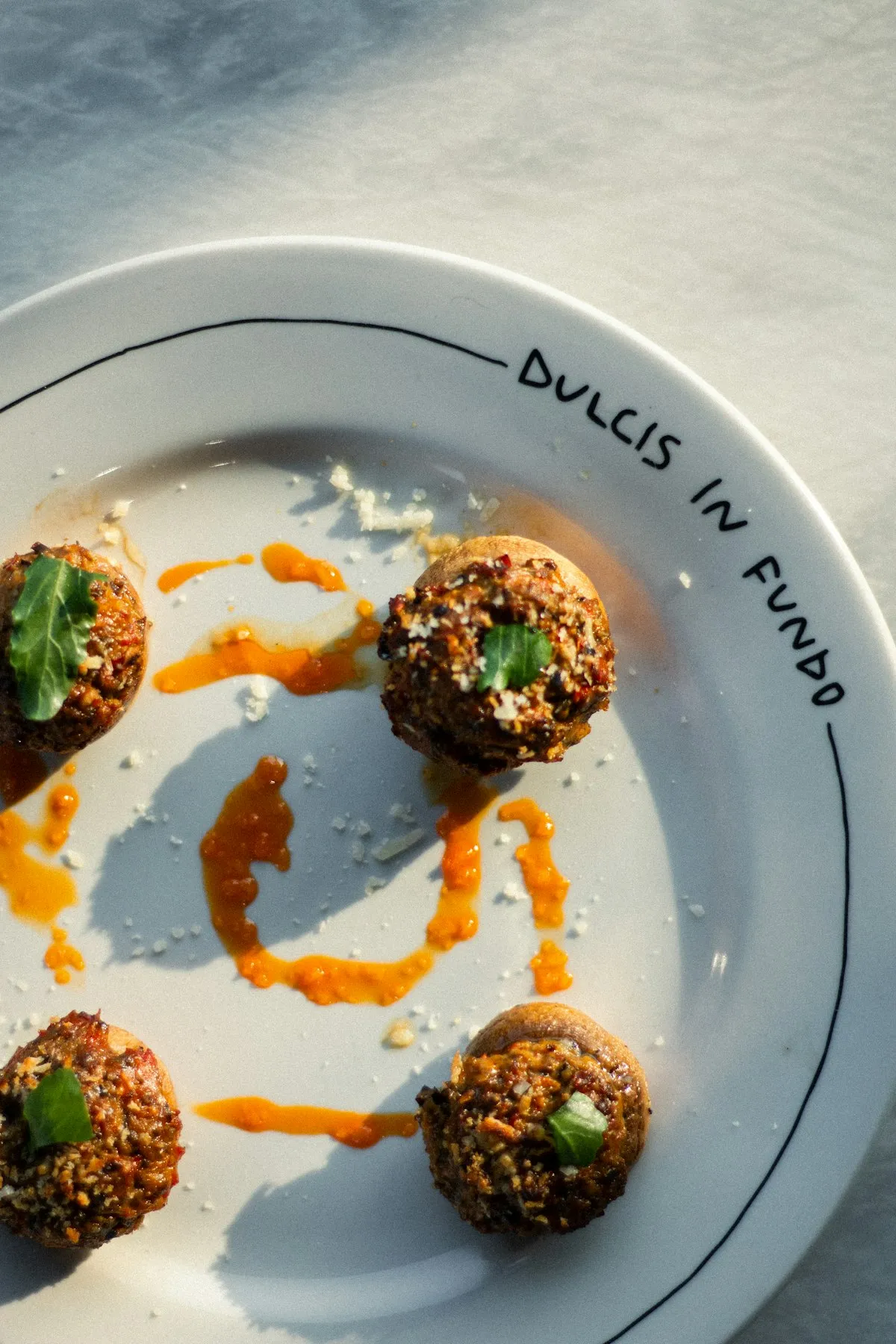
Hungarian paprika meatballs are tender beef-pork meatballs coated in sweet Hungarian paprika, browned until crusty, then finished in a velvety sour cream sauce with mushrooms and fresh dill. This is Hungarian comfort food at its best - rich, silky, and deeply flavored with the country’s signature spice.
Unlike Fasírt (the classic Hungarian pan-fried meat patties), these meatballs are simmered directly in a paprika-sour cream sauce that transforms into something close to a Hungarian stroganoff. The sauce builds on browned mushrooms, sweet paprika blooms in hot fat, and sour cream adds tangy richness that cuts through the beef and pork. Serve it over buttered egg noodles to catch every drop.
This recipe follows the same brown-then-simmer technique used in Swedish Meatballs with Cream Gravy and Polish Klopsiki in Dill Sauce, but Hungarian paprika gives it a distinctively warm, smoky character that sets it apart from other European meatball traditions.
Key Takeaways
- Sweet Hungarian paprika is non-negotiable. Regular grocery store paprika works, but true Hungarian sweet paprika (Nobel Sweet or Szeged brands) has a deeper floral-sweet flavor that defines this dish.
- Temper the sour cream. Stir hot liquid into the sour cream before adding it to the pan. Cold dairy meeting hot liquid curdles; tempered cream stays silky.
- Mushrooms add the savory backbone. Cremini mushrooms browned in the same pan build umami that complements the paprika without overpowering it.
- Serve over egg noodles or spaetzle. Wide buttered egg noodles or homemade spaetzle soak up the sauce better than rice or potatoes.
- The sauce thickens as it rests. Let the dish sit for 5 minutes off heat before serving. The sour cream sauce continues to thicken and the flavors meld.
How to Make Hungarian Paprika Meatballs in Sour Cream Sauce
- Make the panade. Stir the breadcrumbs and milk together in a small bowl. Let it soak for 5 minutes until the crumbs absorb the liquid completely. This keeps the meatballs tender.
- Mix the meatballs. In a large bowl, combine the ground beef, ground pork, panade, egg, grated onion, minced garlic, 1 tablespoon sweet paprika, salt, pepper, and marjoram. Mix gently with your hands until just combined. Shape into about 20 meatballs, 1.5 inches across.
- Brown the meatballs. Heat 1 tablespoon olive oil in a large deep skillet over medium-high heat. Add meatballs in a single layer, working in batches if needed. Brown for 2 to 3 minutes per side, about 8 to 10 minutes total. Remove to a plate.
- Cook the mushrooms. Reduce heat to medium. Add the remaining 1 tablespoon olive oil and sliced mushrooms. Cook for 4 to 5 minutes, stirring occasionally, until the mushrooms are browned and their released liquid has cooked off.
- Bloom the paprika and build the roux. Sprinkle the flour and remaining 1 tablespoon sweet paprika over the mushrooms. Stir constantly for 1 minute until the paprika darkens slightly and the flour is fully incorporated.
- Make the sauce base. Slowly pour in the beef broth while stirring to prevent lumps. Bring to a gentle simmer for 2 to 3 minutes, stirring occasionally, until the sauce thickens enough to coat a spoon.
- Temper and add the sour cream. Remove the skillet from heat. In a small bowl, stir a few spoonfuls of the hot pan liquid into the sour cream to temper it. Pour the tempered sour cream mixture back into the skillet and stir until smooth and fully incorporated.
- Finish together. Stir in the chopped dill. Return the browned meatballs to the skillet, nestling them into the sauce. Return to low heat and simmer gently for 5 to 6 minutes until the meatballs reach 160F (71C) internally and the sauce is glossy and thick. Serve immediately over buttered egg noodles or spaetzle, garnished with extra fresh dill.
Ingredients
For the Meatballs
- 1 lb (450 g) ground beef, 80/20
- 1/2 lb (225 g) ground pork
- 1/2 cup panko breadcrumbs
- 1/4 cup milk
- 1 large egg
- 1 small yellow onion, finely grated
- 3 cloves garlic, minced
- 1 tbsp sweet Hungarian paprika
- 1 tsp kosher salt
- 1/2 tsp black pepper
- 1/2 tsp dried marjoram
For the Paprika Sour Cream Sauce
- 2 tbsp olive oil, divided
- 8 oz (225 g) cremini mushrooms, sliced
- 1 tbsp sweet Hungarian paprika
- 1 tbsp all-purpose flour
- 1 1/2 cups beef broth
- 1 cup sour cream, room temperature
- 1/4 cup fresh dill, chopped
For Serving
- 12 oz (340 g) wide egg noodles or spaetzle, cooked and buttered
- Extra fresh dill for garnish
What Makes Hungarian Paprika Special?
Hungarian paprika is not the same as the generic paprika powder found in most grocery stores. True Hungarian paprika is made from specific pepper varieties grown in the Szeged and Kalocsa regions of Hungary. It has a deeper red color, a more complex sweetness, and a floral quality that standard paprika cannot match.
Grades of Hungarian paprika:
| Grade | Flavor | Best for |
|---|---|---|
| Nobel Sweet (Edesnemes) | Bright, sweet, mild | All-purpose, sauces, this recipe |
| Sweet (Edes) | Sweet, very mild | Garnish, lighter sauces |
| Half-Sweet (Feledes) | Mild heat, balanced | Goulash, stews |
| Hot (Csipos) | Spicy, sharp | When you want heat |
| Rose (Rozsa) | Light, delicate | Delicate sauces, finishing |
For this recipe, use Nobel Sweet (Edésnemes) if you can find it. Szeged and The Spice Way both sell authentic Hungarian paprika online and in specialty stores. If you only have standard paprika, it still works - just know the flavor will be less complex.
Bloom the paprika in hot fat (step 5) to activate its flavor compounds. Without blooming, paprika tastes flat and raw. This same technique is essential in Hungarian goulash, paprikash, and other Central European dishes. See also Königsberger Klopse with Caper Sauce for another Central European meatball tradition that uses a very different sauce approach.
Why This Recipe Works
The beef-pork blend. Beef provides deep meaty flavor; pork adds fat and tenderness. An 80/20 beef alone would be too lean for the 8-minute browning plus 5-minute simmer. The pork fat keeps the interior moist.
The grated onion technique. Grating the onion (rather than dicing) releases more juice, which hydrates the meatball mixture from the inside. This is the same technique used in Italian Sunday Gravy Meatballs and the How to Make Meatballs Guide.
Paprika in two layers. One tablespoon goes inside the meatballs; the second blooms in the sauce. This double application builds depth without making either layer taste one-dimensional. Blooming paprika in fat raises its flavor profile significantly.
Tempered sour cream. Cold sour cream added directly to hot liquid curdles into grainy white specks. Tempering (warming the sour cream gradually with hot liquid) keeps the sauce silky and smooth. This is the same technique used in Russian Tefteli and Swedish Meatballs.
| Ingredient | Job in this recipe | Substitution |
|---|---|---|
| Sweet Hungarian paprika | Floral sweetness, deep red color | Standard sweet paprika (less complex) |
| Sour cream | Tangy richness, sauce body | Full-fat Greek yogurt (tangier, thinner) |
| Cremini mushrooms | Umami, texture | White button mushrooms |
| Fresh dill | Bright, grassy finish | 1 tbsp dried dill (add earlier) |
| Beef broth | Sauce base, deglazing | Chicken or vegetable broth |
| Beef-pork blend | Flavor + moisture | All-beef (firmer) or all-pork (softer) |
Tips for the Best Hungarian Paprika Meatballs
Use 80/20 ground beef. The extra fat keeps the meatballs tender through the browning and simmer stages. Leaner beef dries out, especially when cooked twice.
Grate the onion, do not dice it. A box grater on the large holes releases the onion juice into the meat mixture. That juice adds moisture that breadcrumbs alone cannot provide. Squeeze the grated onion and add both the pulp and the juice.
Buy authentic Hungarian paprika. The difference between standard grocery store paprika and real Hungarian sweet paprika is night and day. Look for Szeged or The Spice Way brands. If you cannot find it, use the best sweet paprika you can and add 1/2 teaspoon sugar to approximate the sweetness.
Bloom the paprika in the second tablespoon. Raw paprika tastes bitter and dusty. Let it sizzle in the hot oil and mushroom fat for a full minute until it darkens and releases its aroma. This is the single most important step for a rich sauce.
Do not skip the tempering step. Tempering sour cream is not optional - cold dairy curdles on contact with hot liquid. Three minutes of tempering saves the entire sauce.
Let it rest 5 minutes. The sauce continues to thicken off heat. If it looks thin when you turn off the stove, let it sit before deciding whether to add more flour slurry.
Variations
| Variation | What to change |
|---|---|
| Extra spicy | Use 1 tsp hot Hungarian paprika (Csipos) in the sauce instead of sweet. |
| Chicken Hungarian meatballs | Substitute ground chicken thigh for both beef and pork. Cook to 165F. |
| Vegetarian version | Replace meat with equal parts cooked lentils and finely chopped mushrooms. Use vegetable broth. |
| Hungarian meatball soup | Skip the sour cream. Add the browned meatballs and mushrooms to 4 cups beef broth with diced potatoes and carrots. Simmer 20 minutes. Stir in sour cream at the end. |
| Smoked paprika swap | Replace 1 tbsp sweet paprika in the sauce with smoked paprika for a deeper, barbecue-like flavor. |
| Make it gluten-free | Use gluten-free breadcrumbs or almond flour. Replace all-purpose flour with 1 tbsp cornstarch mixed with 2 tbsp cold water, added after the broth. |
What to Serve with Hungarian Paprika Meatballs
- Buttered egg noodles: The classic pairing. Wide egg noodles tossed with butter and parsley catch the sour cream sauce perfectly.
- Spaetzle: Homemade German-style egg noodles. They are the traditional Central European partner for any paprika cream sauce.
- Mashed potatoes: Creamy mashed potatoes work well - the sauce soaks into them the same way it does with noodles.
- Cucumber salad (uborkasalata): Thin-sliced cucumbers in a light vinegar-dill dressing. The bright acidity cuts through the richness of the sauce.
- Steamed green beans: Lightly steamed or blanched green beans with a squeeze of lemon balance the heavy sauce.
- Crusty bread: A chunk of sourdough or rye bread for swiping the plate clean.
Storage and Reheating
- Fridge: Store meatballs and sauce in an airtight container for up to 4 days. The flavors deepen overnight as the paprika and dill meld.
- Reheat: Warm gently in a skillet over medium-low heat. Add a splash of broth or milk if the sauce has thickened. Microwave individual portions in 45-second bursts, stirring between rounds.
- Freezer: Cool completely and freeze in a freezer-safe container for up to 3 months. Thaw overnight in the fridge. The sauce may thin slightly after thawing - stir in a little extra sour cream when reheating.
- Meal prep: Portion noodles and meatballs separately. Reheat the meatballs and sauce gently; toss the noodles in butter fresh to keep them from clumping.
Frequently Asked Questions
Can I use regular paprika instead of Hungarian?
Yes, but the flavor will be less complex. Standard paprika is milder and sweeter. Use 2 tablespoons of the best sweet paprika you can find, and consider adding 1/2 teaspoon smoked paprika for depth and 1/2 teaspoon sugar for sweetness.
What is the difference between Hungarian meatballs and Swedish meatballs?
Swedish meatballs use allspice and nutmeg, are smaller (about 1 inch), and are served in a brown gravy made with beef broth and heavy cream. Hungarian meatballs use sweet paprika as the dominant spice, are slightly larger, and use sour cream for tanginess. Both use a similar beef-pork blend and panade technique.
Why did my sour cream sauce curdle?
Three possible causes: the sour cream was too cold when added, the pan was too hot, or you added it all at once. Always temper sour cream by stirring in hot liquid a few spoonfuls at a time, keep the heat on low when adding dairy, and stir continuously. If the sauce still curdles, whisk in a tablespoon of cold cream or broth and lower the heat immediately.
Can I use frozen meatballs?
Yes. Use fully cooked frozen beef or beef-pork meatballs. Skip the browning step and build the sauce and mushrooms first. Add the frozen meatballs and simmer for 10 to 12 minutes until heated through. The sauce will be slightly less rich without the fond from searing.
Do I have to add mushrooms?
No. The mushrooms add umami and texture, but the sauce works without them. If you skip the mushrooms, increase the oil by 1 tablespoon and add a pinch more salt. The sauce will be simpler but still delicious.
What is Fasírt?
Fasírt (or Fasírozott) is the classic Hungarian pan-fried meat patty - similar to German Frikadellen or Danish Frikadeller. It is usually seasoned with paprika, garlic, and marjoram, shaped into flat patties, and fried in oil until crispy on both sides. Unlike this recipe, Fasírt is not simmered in sauce. It is typically served with mashed potatoes, cucumber salad, or creamed vegetable pottages.