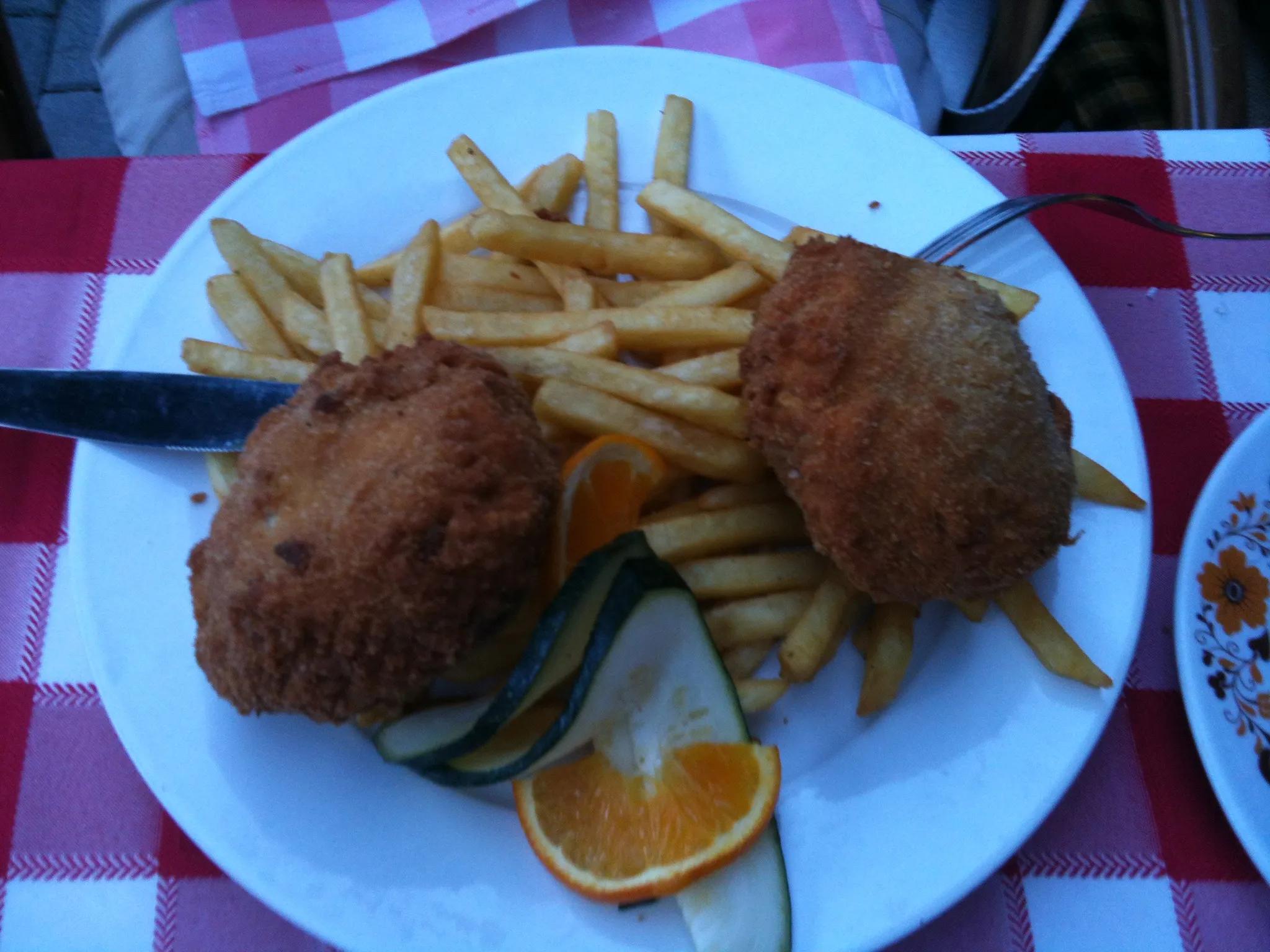
Hungarian fasírt (pronounced fah-sheert) are the crispy, golden pan-fried meatballs that fill Hungarian kitchens with the scent of paprika and garlic. Unlike Italian meatballs simmered in tomato sauce or Swedish meatballs drowned in cream gravy, fasírt is fried until the outside turns shatteringly crisp while the inside stays juicy and tender.
The secret to fasírt is soaked bread (not breadcrumbs in the mixture) and sweet Hungarian paprika. The bread creates a light, airy texture that sets these apart from denser meatball styles. The paprika gives them that warm red hue and unmistakable Hungarian soul.
This recipe uses ground pork, the traditional choice, but a pork-beef blend works beautifully too.
Key Takeaways
- Soaked bread, not breadcrumbs - stale bread soaked in milk creates a lighter, airier texture than dry breadcrumbs in the mix
- Sweet Hungarian paprika is essential - it provides color and flavor that standard paprika cannot match. Do not substitute smoked or hot paprika.
- Medium heat is critical - too hot burns the breadcrumb coating before the inside cooks. The oil should sizzle gently, not roar.
- Shape slightly flat - oval or flattened patties fry more evenly than round balls. Traditional fasírt is often shaped like a small hamburger.
- Serve with pickles - tangy pickles (savanyúság) cut through the richness and are the classic Hungarian accompaniment.
How to Make Hungarian Fasírt
- Soak the bread. Tear the bread into small pieces and place in a bowl. Pour milk over it. Let sit 5 minutes until fully absorbed. Squeeze out excess milk.
- Sauté the onion. Heat 1 tbsp oil in a small skillet over medium heat. Cook the grated onion for 3 to 4 minutes until soft and translucent. Add garlic and cook 1 minute more. Let cool slightly.
- Mix the meatballs. In a large bowl, combine pork, soaked bread, sautéed onion and garlic, parsley, egg, paprika, marjoram, salt, and pepper. Mix gently with your hands until just combined. Do not overmix.
- Shape. Form the mixture into 16 oval or round patties, about 2 inches across and 3/4 inch thick. Slightly flat shapes fry more evenly than tall balls.
- Coat. Spread breadcrumbs on a plate. Press each patty into the breadcrumbs on both sides to coat evenly.
- Fry. Heat 1/2 inch of oil in a large skillet over medium heat. Fry meatballs in batches for 3 to 4 minutes per side until deep golden brown and cooked through (160F / 71C internal). Do not crowd the pan.
- Drain and serve. Transfer to a paper towel-lined plate. Serve hot.
Ingredients
For the meatballs:
- 1 lb (450 g) ground pork (or half pork, half beef)
- 2 slices stale white bread or 1 small bread roll
- 1/2 cup milk
- 1 small onion, finely grated
- 3 cloves garlic, minced
- 2 tbsp fresh parsley, finely chopped
- 1 large egg
- 2 tbsp sweet Hungarian paprika
- 1 tsp dried marjoram
- 1 tsp kosher salt
- 1/2 tsp black pepper
For coating and frying:
- 1/2 cup breadcrumbs
- Vegetable oil for frying (about 1/2 inch deep)
What is Fasírt?
Fasírt is Hungary’s answer to the meatball - pan-fried patties of seasoned ground meat with a crisp breadcrumb crust and a tender, almost fluffy interior. The word comes from the German “faschieren” (to mince), and the dish arrived in Hungary through Austro-Hungarian culinary exchange.
Unlike the round meatballs common in Italy or the cream-sauced Swedish versions, fasírt is typically shaped into slightly flattened oval patties and always pan-fried until the breadcrumb coating turns deep golden brown. The coating is what sets fasírt apart - a crispy shell that shatters when you bite into it, giving way to the soft, paprika-scented meat inside.
In Hungarian home cooking, fasírt is a weekday staple and a picnic essential. Every family has their own version: some add marjoram, others use only paprika. Some shape them round, others flat. The constant is the bread soaked in milk, which creates a texture that is almost creamy on the inside.
How Fasírt Compares to Other Meatball Styles
| Style | Cooking method | Binder | Signature spice | Sauce | Shape |
|---|---|---|---|---|---|
| Hungarian fasírt | Pan-fried | Soaked bread + egg | Sweet paprika | None (served dry) | Flat oval patty |
| Italian polpette | Baked or braised | Breadcrumbs + egg | Garlic, oregano | Tomato sauce | Round ball |
| Swedish köttbullar | Pan-fried | Breadcrumbs + cream | Allspice, nutmeg | Cream gravy | Small round |
| Polish klopsiki | Poached or braised | Breadcrumbs + egg | Marjoram | Dill sauce | Round ball |
| German Frikadellen | Pan-fried | Soaked bread + egg | Marjoram, mustard | None | Flat patty |
| Bulgarian kufteta | Grilled | Breadcrumbs + egg | Cumin, chubritsa | None | Flat oval |
Fasírt is closest to German Frikadellen (see our German Frikadellen recipe) since both use soaked bread and are pan-fried flat. But fasírt is distinguished by the generous amount of sweet paprika and the breadcrumb coating - Frikadellen is typically uncoated.
The Role of Sweet Hungarian Paprika
Paprika is the defining spice of Hungarian cuisine, and fasírt showcases it beautifully. Unlike the standard paprika powder found in most supermarkets, true Hungarian sweet paprika (édesnemes) has a richer, more complex flavor with natural sweetness.
| Paprika type | Best for fasírt? |
|---|---|
| Sweet Hungarian (édesnemes) | Yes - the standard choice. Mild, sweet, deep red color |
| Hot Hungarian (erős) | Use with caution - adds significant heat |
| Smoked (Spanish-style) | Not traditional - the smoky flavor overwhelms the delicate paprika profile |
| Standard grocery paprika | Works in a pinch but will not have the same depth of flavor |
The bright red color from the paprika migrates into the oil during frying, giving the breadcrumb coating a warm orange glow. This visual cue tells Hungarian cooks the meatballs are ready.
Serving Suggestions
Traditional Hungarian style: Serve fasírt with mashed potatoes (or krumplipüré), a side of tangy pickles (savanyúság), and fresh bread. The pickles cut through the richness of the fried meatballs - Hungarian meals almost always include pickled vegetables.
With krumplifőzelék: The classic Hungarian pairing. A creamy dill-seasoned potato stew spooned alongside the crispy meatballs creates a perfect textural contrast. This is the most nostalgic fasírt meal for many Hungarians.
In a sandwich: Place a warm fasírt patty in a crusty roll with lettuce, sliced pickles, and a smear of mustard or mayonnaise. This is a popular street food and picnic lunch across Hungary.
Cold (yes, really): Hungarians eat leftover fasírt cold, straight from the fridge, as a snack. The flavor actually improves overnight as the paprika and garlic meld.
With rice or noodles: Serve alongside buttered egg noodles or steamed rice. A sprinkle of fresh parsley and an extra dusting of paprika finish the plate.
Meat Choices
Pork is traditional. Ground pork with about 20% fat content produces the juiciest fasírt. The fat renders during frying and keeps the meat tender.
| Meat | Result | When to use |
|---|---|---|
| All pork | Juiciest, most traditional | Standard choice |
| Half pork, half beef | Rich flavor, slightly firmer | Good all-purpose option |
| All beef (80/20) | Rich, denser texture | When you want a beefier flavor |
| Ground turkey | Leaner, less juicy | Add 1 tbsp oil to the mixture |
| Ground chicken | Mild, tender | Add 1 tbsp oil and an extra clove of garlic |
For the pork-beef blend, use equal parts. The beef adds depth while the pork keeps the mixture moist.
Tips for the Best Fasírt
Use stale bread, not fresh
Stale bread absorbs milk without turning into paste. Fresh bread dissolves too quickly and creates a gummy texture. If you only have fresh bread, toast it lightly first.
Squeeze the bread dry
After soaking, squeeze the bread firmly to remove excess milk. Too much liquid in the mixture makes the meatballs hard to shape and causes them to steam rather than fry. The bread should be moist but not dripping.
Grate, do not chop the onion
A finely grated onion melts into the meat mixture and releases its moisture evenly. Chopped onion leaves firm chunks that can cause the patties to crack during frying. Grate on the fine side of a box grater.
Medium heat, not high
The breadcrumb coating burns quickly on high heat. The oil should be hot enough to sizzle when you add a breadcrumb test piece, but not so hot that it smokes. If the coating darkens before 2 minutes, reduce the heat.
Do not crowd the pan
Leave space between each patty so the oil stays hot and the coating crisps evenly. Cook in 2 to 3 batches for a full recipe. Crowding drops the oil temperature and makes the coating greasy rather than crisp.
Drain on paper towels
Let the cooked fasírt rest on paper towels for 1 to 2 minutes before serving. This drains excess oil and preserves the crispy coating.
Storage and Reheating
Fridge: Cooked fasírt keeps in an airtight container for up to 4 days. They reheat beautifully and are delicious cold.
Freezer: Freeze cooked, cooled fasírt on a sheet pan until solid, then transfer to a freezer bag. They keep for 3 months. Thaw in the fridge overnight.
Reheat: Warm in a 350F (175C) oven for 8 to 10 minutes to restore the crispy coating. The microwave works but softens the breadcrumb crust. For the best texture, reheat in a dry skillet over medium heat for 2 to 3 minutes per side.
Variations
Cheese-stuffed fasírt: Press a cube of mozzarella or Edam cheese into the center of each patty before shaping. Seal the meat around the cheese completely so it does not leak during frying.
Stuffed with egg: Hard-boil 4 eggs. Wrap the meat mixture around each egg, coat in breadcrumbs, and fry. This is a Hungarian Easter tradition.
Baked fasírt: Place coated patties on a parchment-lined sheet pan. Brush lightly with oil and bake at 400F (200C) for 20 to 25 minutes, flipping halfway. Less crispy than fried but still delicious.
Lecsó-style: Serve fasírt with lecsó - a Hungarian pepper and tomato stew similar to ratatouille. The saucy vegetables complement the crispy meatballs perfectly.
FAQ
What does fasírt mean in Hungarian?
Fasírt means a seasoned ground meat mixture shaped into patties or balls and pan-fried. The word came to Hungarian from German “faschieren” (to mince) via Austrian cuisine. It is one of the most common home-cooked meals in Hungary - every Hungarian adult has their family’s version committed to memory.
What is the difference between fasírt and German Frikadellen?
Both are pan-fried meat patties made with soaked bread, but fasírt is distinguished by generous amounts of sweet Hungarian paprika and a breadcrumb coating before frying. German Frikadellen (see our German Frikadellen recipe) is typically uncoated and seasoned with marjoram and mustard. Fasírt also tends to be smaller and rounder, while Frikadellen are larger, flatter patties often served as a main protein.
Can I make fasírt without breadcrumbs for coating?
Yes. You can skip the breadcrumb coating entirely and fry the patties naked. The result will be less crispy but still delicious, and it saves a step. You can also use crushed pork rinds or almond flour for a low-carb coating.
Can I bake these instead of frying?
Yes. Place the breaded patties on a parchment-lined baking sheet, brush or spray lightly with oil, and bake at 400F (200C) for 20 to 25 minutes, flipping halfway through. The result will be less crispy but much lower in fat and easier to make in large batches.
Why did my fasírt fall apart in the pan?
Three common causes: too much liquid in the mixture (squeeze the soaked bread more firmly), the mixture was too loosely shaped (press the patties firmly), or you flipped them too early (wait until the first side is deep golden brown before turning). Chilling the shaped patties in the fridge for 15 minutes also helps them hold together.
Is fasírt served with sauce?
No - traditional fasírt is served dry, without sauce. The crispy breadcrumb coating is part of the experience. It is typically paired with creamy potato stew (krumplifőzelék), mashed potatoes, or pickles. The starch or pickle provides the moisture while the fasírt stays crisp.
Can I make these gluten-free?
Yes. Use gluten-free bread for soaking and gluten-free breadcrumbs for coating. The texture will be slightly different but the paprika-garlic flavor comes through the same way.
Sources
- Traditional Hungarian Meatballs (Fasírt) - Flavelo
- Easy Hungarian Fried Meatballs - Timea’s Kitchen
- Hungarian Meatballs (Fasírt) - One Sweet Harmony
- Meatballs (Fasírt) - Offbeat Budapest & Vienna
- Fasírt: Hungarian Meatballs Full of Soul - Hungarian Cuisine in a Nutshell
- Deep-Fried Hungarian Paprika Meatballs - Culinary Hungary
- Safe Minimum Internal Temperature Chart - USDA FSIS
Related: German Frikadellen | Swedish Meatballs with Cream Gravy | Polish Klopsiki Meatballs in Dill Sauce | Norwegian Kjøttkaker in Brown Gravy