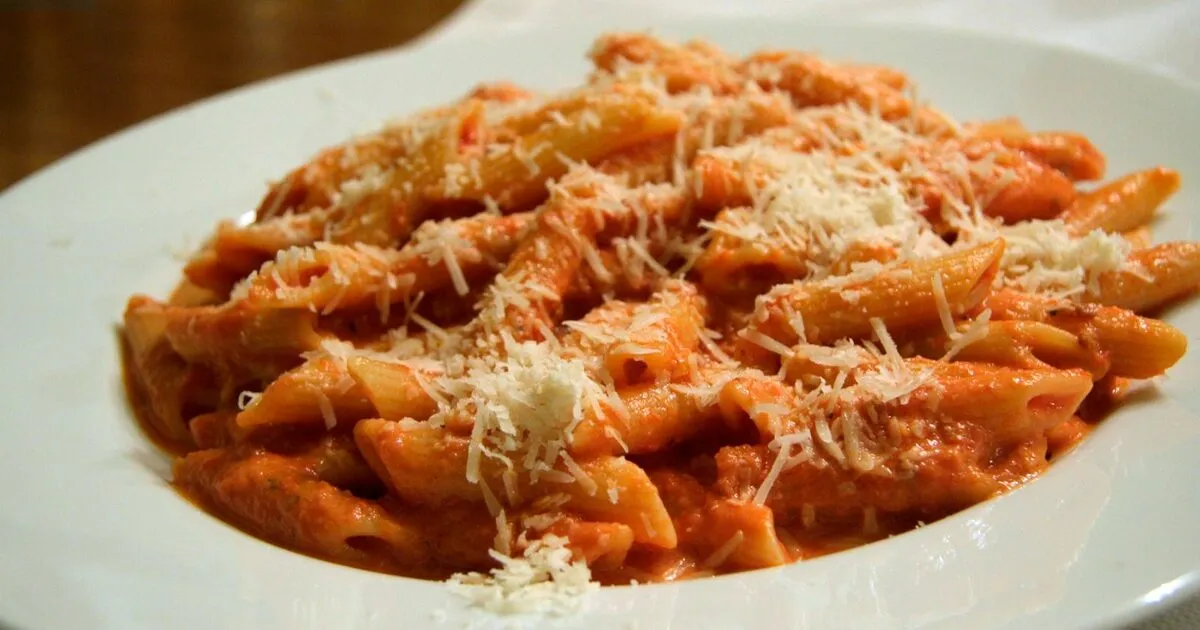
Meatballs in vodka sauce is the Italian-American classic where juicy beef-and-pork meatballs simmer in a creamy pink tomato sauce built with a splash of vodka. The alcohol is not there for a kick - it evaporates in the pan and leaves behind a bright, slightly sweet depth that plain tomato sauce cannot match. Over penne, it is the kind of bowl that feels like a celebration on a Tuesday night.
This is the creamy cousin of classic beef meatballs in marinara. Where marinara is lean and bright, vodka sauce is silky and rich - half tomato, half cream, finished with parmesan. The meatballs brown first in the same pan, then finish simmering right in the sauce so every bite carries that pink, glossy coating.
The whole thing comes together in about 55 minutes, mostly hands-off while the sauce simmers. No special equipment, no long braise - just one skillet, one pot of pasta, and a bottle of vodka that mostly ends up in the sauce.
Key Takeaways
- The vodka cooks off in about a minute - what remains is a brighter, more aromatic tomato sauce.
- Brown the meatballs first, then simmer them in the sauce so they soak up the cream.
- A milk-soaked panko panade keeps the meatballs tender through the simmer.
- The sauce comes together in the same pan as the meatballs, so there is almost no cleanup.
- The dish holds well and tastes even better reheated the next day.
How to Make Meatballs in Vodka Sauce
- Make the meatballs: soak the panko in the milk for 5 minutes. Add the beef, pork, egg, parmesan, parsley, garlic, salt, and pepper. Mix just until combined, then roll into 24 golf-ball-sized meatballs.
- Heat the olive oil in a large skillet or Dutch oven over medium-high heat. Brown the meatballs in batches for 2 to 3 minutes per side until browned all over. Transfer to a plate.
- Make the sauce: in the same pan over medium heat, cook the onion for 4 to 5 minutes until soft. Add the garlic and red pepper flakes and stir for 1 minute.
- Pour in the vodka and let it bubble for 1 to 2 minutes, using a wooden spoon to deglaze the browned bits from the bottom of the pan.
- Stir in the crushed tomatoes, salt, and pepper. Bring to a simmer and cook for 10 to 12 minutes until slightly thickened.
- Remove the pan from the heat and stir in the heavy cream and parmesan off the heat until the sauce is smooth and pink.
- Return the meatballs to the pan with any juices. Simmer gently over low heat for 15 to 20 minutes, turning once, until cooked through and the sauce is silky.
- While the meatballs simmer, cook the penne in salted water until al dente. Serve the meatballs and sauce over the pasta with basil and extra parmesan.
Ingredients
- 1 lb (450 g) ground beef (80/20)
- 1/2 lb (225 g) ground pork
- 1/2 cup (50 g) panko breadcrumbs
- 1/3 cup (80 ml) milk
- 1 large egg, lightly beaten
- 1/4 cup grated parmesan, plus more for serving
- 2 tbsp chopped fresh parsley
- 2 cloves garlic, minced
- 1 tsp kosher salt
- 1/2 tsp black pepper
- 2 tbsp olive oil
- 1 medium onion, finely chopped
- 2 cloves garlic, minced (for sauce)
- 1/2 tsp red pepper flakes (optional)
- 1/2 cup (120 ml) vodka
- 1 (28 oz / 800 g) can crushed tomatoes
- 1/2 cup (120 ml) heavy cream
- 1 lb (450 g) penne pasta (for serving)
- Fresh basil leaves, for serving
Why the Vodka Works
Vodka sauce can seem like a gimmick until you taste it side by side with plain marinara. Tomatoes contain flavor compounds that dissolve readily in alcohol but only weakly in water. When the vodka hits the hot pan and bubbles, it extracts those compounds, then evaporates - leaving the flavor behind while taking the harsh alcohol burn with it. That is why the sauce tastes rounder and more aromatic, with a faint sweetness that is not sugar.
The technique matters more than the brand. Any decent vodka works; save the top-shelf stuff for cocktails. Pour it into the hot pan after the onion softens, let it bubble for a minute or two, and scrape the browned bits off the bottom as it goes. That step - the same deglazing move used in this stroganoff - pulls the seared flavor from the meatballs into the sauce.
Tips for the Best Meatballs in Vodka Sauce
Keep the meatballs tender
The panade does the work here: panko soaked in milk for 5 minutes traps moisture inside the meatballs while they simmer. Mix just until combined and no further - the same rule from our complete meatball guide. Overmixing turns the beef and pork into a dense, sausage-like texture.
Brown in batches, simmer gently
Crowding the pan steams the meatballs and keeps them pale. Give them space, brown them in two batches, and resist the urge to stir too hard while they simmer. The sauce should barely bubble - a lazy simmer for 15 to 20 minutes is enough to cook them through without drying them out.
Add the cream off the heat
Boiling cream can cause it to separate into greasy streaks. Pull the pan from the burner, stir in the cream and parmesan, then return everything to low heat. The sauce turns that signature pink color and stays silky.
Serving Ideas
- Over penne or rigatoni, the classic pairing - the ridges catch the creamy sauce.
- Spooned over toasted garlic bread for a meatball-sub-meets-pasta situation.
- With a green salad and crusty bread to soak up the leftover sauce.
Variations
- Spicy vodka sauce: double the red pepper flakes, or add a pinch of cayenne with the garlic.
- Chicken meatballs: swap the beef and pork for 1 1/2 lbs ground chicken and add 1 tbsp olive oil to the mixture to keep it moist.
- Baked version: brown the meatballs, build the sauce, then bake everything over penne in a 9 by 13-inch dish at 375F for 20 to 25 minutes, as shown in this baked penne alla vodka with meatballs.
- No-pork swap: use all beef and add a splash of Worcestershire for depth.
Storage
Leftovers keep in an airtight container in the fridge for up to 4 days. The sauce thickens as it sits - loosen it with a splash of pasta water or broth when reheating. The meatballs and sauce also freeze well for up to 3 months; thaw overnight in the fridge and reheat gently over low heat. This recipe is a natural candidate for freezer-friendly meal prep.
FAQ
Does the alcohol cook off in vodka sauce?
Yes. The vodka bubbles in the hot pan for 1 to 2 minutes, then the sauce simmers another 25 to 30 minutes, so essentially all the alcohol evaporates by serving time. What remains are the flavor compounds the vodka extracted from the tomatoes. Skip it and add broth or water if you prefer.
Can I use any vodka, or does the brand matter?
Any plain vodka works - the flavor comes from the technique, not the bottle. Skip flavored vodkas and save premium bottles for cocktails. A neutral mid-range vodka is ideal. If you do not drink, substitute 1/4 cup of water or chicken broth plus a splash of lemon juice for brightness, though the flavor will be slightly different.
Why do my meatballs come out tough in vodka sauce?
Two common causes: overmixing and overcooking. Mix the meatball mixture only until combined - working it too long develops the protein and makes the meat dense. Then simmer gently over low heat for 15 to 20 minutes; a rolling boil will squeeze moisture out of the meatballs. The milk-soaked panko panade also helps keep them tender.
What is the difference between vodka sauce and marinara?
Marinara is a lean tomato sauce made with olive oil, garlic, herbs, and tomatoes - bright and acidic. Vodka sauce starts the same way, then adds vodka and heavy cream, giving it a silky, pink, slightly sweet character. If you like creamy Italian-American sauces, this is the bridge between marinara meatballs and a creamy weeknight favorite.
Can I make this ahead of time?
Yes - the sauce actually improves after a day in the fridge as the flavors meld. Make the meatballs and sauce up to 2 days ahead, cool completely, and refrigerate. Reheat gently over low heat, adding a splash of water if the sauce is too thick. Cook the pasta fresh when you are ready to serve.
What pasta goes best with vodka sauce?
Penne is the classic, and rigatoni is a close second - both have ridges that hold the creamy sauce. For a heartier meal, serve the meatballs and sauce over toasted garlic bread instead of pasta. If you go with a long pasta like spaghetti, the meatballs still work but the sauce clings less evenly.
