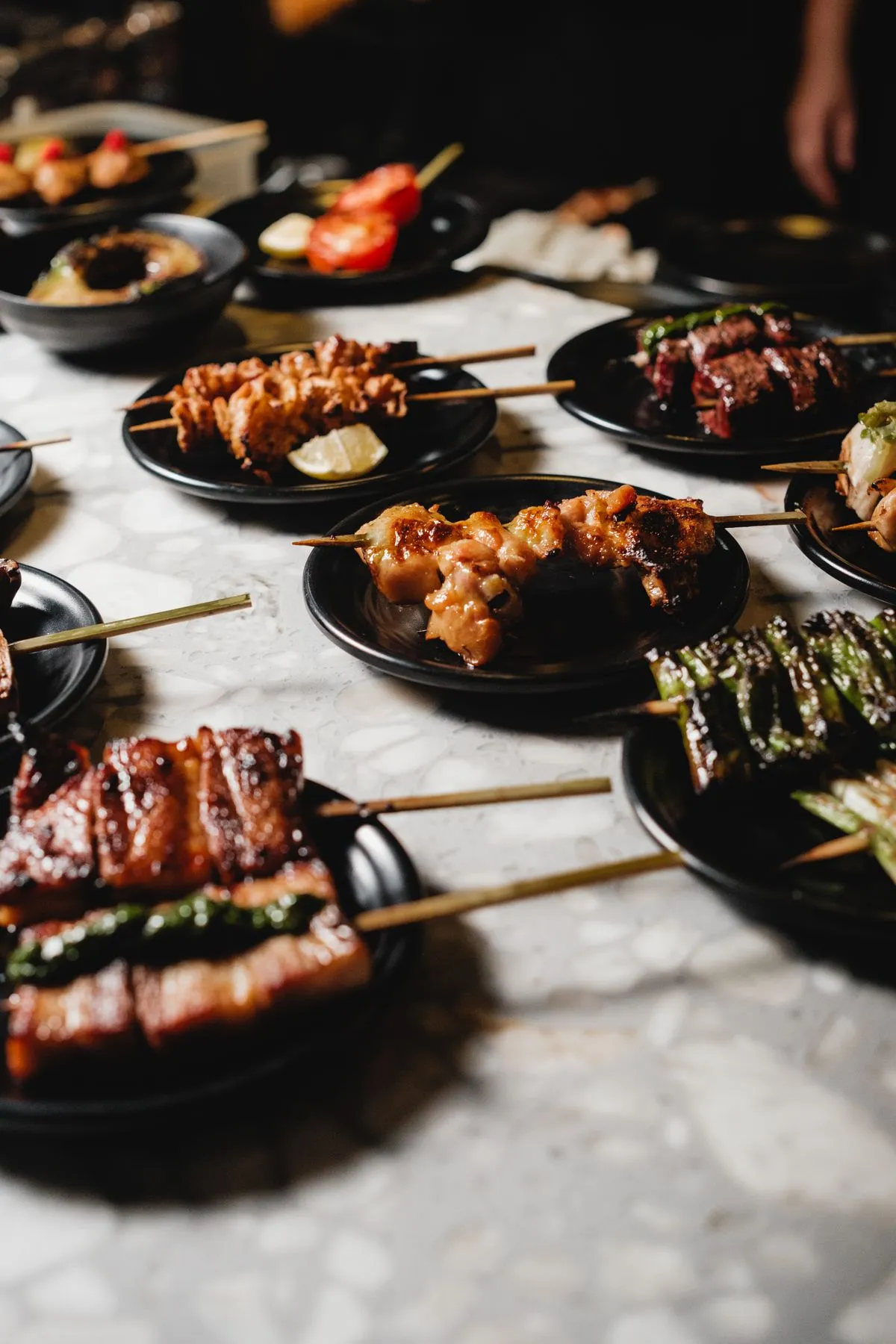
Tsukune - Japanese chicken meatballs glazed in sweet-savory tare sauce - is one of the most beloved items on any yakitori menu. Tender, slightly bouncy, and lacquered in a glossy caramelized glaze, these skewered meatballs are comfort food at its most elegant.
Unlike Italian or American meatballs, tsukune gets its signature texture from hand-kneading the chicken mixture until it becomes sticky and paste-like. This technique, borrowed from Chinese fish ball making, creates a light, springy bite that pairs perfectly with the rich tare sauce. The whole dish comes together in about 30 minutes - no charcoal grill required.
Key Takeaways
- Ground chicken thigh is essential. Breast meat alone makes dry, crumbly tsukune. Use a 70/30 thigh-to-breast ratio, or add a tablespoon of chicken fat if your grind is lean.
- Hand-knead the mixture until it becomes sticky and paste-like - about 2 minutes. This develops myosin in the chicken, creating the signature bouncy texture. Skipping this step produces dense, meatloaf-like meatballs.
- The tare sauce is built on mirin, soy sauce, sake, and sugar, reduced until syrupy. It does double duty: a glaze during cooking and a dipping sauce at the table.
- Soak bamboo skewers for at least 30 minutes before grilling to prevent burning. Flat skewers hold meatballs more securely than round ones.
- No grill? Pan-fry the meatballs in a lightly oiled skillet for 3 to 4 minutes per side, then brush with warm tare sauce. The result is nearly identical to charcoal-grilled.
How to Make Tsukune: Japanese Chicken Meatballs
- Make the tare sauce. Combine mirin, soy sauce, sake, brown sugar, garlic, and ginger in a small saucepan. Bring to a boil over medium-high heat, then reduce to a simmer. Cook for 12 to 15 minutes until the sauce reduces by about one-third and becomes syrupy. Strain and set aside.
- Make the meatball mixture. Add ground chicken, panko, egg, grated onion, ginger juice, soy sauce, sesame oil, salt, white pepper, and cornstarch to a large bowl. Mix with your hands until the mixture becomes sticky and paste-like, about 2 minutes of kneading.
- Shape the meatballs. With lightly oiled hands, scoop about 1 tablespoon of mixture and roll into smooth balls, about 1.25 inches across. You should get about 16 meatballs.
- Thread onto skewers. Push 2 to 3 meatballs onto each soaked bamboo skewer, spacing them slightly apart.
- Cook the tsukune. Heat a grill or grill pan to medium-high (about 400F). Place skewers on the grill and cook for 3 to 4 minutes per side, turning once, until the meatballs are golden brown and reach an internal temperature of 165F (74C). During the last minute of cooking, brush generously with tare sauce on all sides.
- Glaze and serve. Remove from heat and brush with one final coat of tare sauce. Sprinkle with shichimi togarashi and sliced scallions. Serve immediately with extra tare sauce on the side.
Ingredients
For the meatballs:
- 1 lb (450 g) ground chicken, preferably 70/30 thigh-to-breast ratio
- 1/3 cup panko breadcrumbs
- 1 large egg, lightly beaten
- 2 tbsp finely grated onion
- 1 tsp grated ginger, squeezed for juice only
- 1 tbsp soy sauce
- 1 tsp sesame oil
- 1/2 tsp salt
- 1/4 tsp white pepper
- 1 tbsp cornstarch
For the tare sauce:
- 1/2 cup (120 ml) mirin
- 1/3 cup (80 ml) soy sauce
- 1/4 cup (60 ml) sake
- 3 tbsp dark brown sugar
- 2 cloves garlic, smashed
- 1 small piece ginger, sliced
For serving:
- 8 bamboo skewers, soaked in water 30 minutes
- Shichimi togarashi (Japanese seven spice)
- Thinly sliced scallions
- Raw egg yolk (optional, for dipping)
What Is Tsukune?
Tsukune is a Japanese chicken meatball traditionally served on bamboo skewers at yakitori restaurants and izakaya pubs across Japan. The name comes from the Japanese word for “knead” - a reference to the hand-kneading technique that gives tsukune its distinctive bouncy, springy texture.
Unlike Western meatballs that rely on breadcrumbs and eggs for binding, authentic tsukune develops its texture through mechanical kneading. When ground chicken is worked vigorously, the myosin proteins in the meat form a sticky network that traps moisture and creates a light, almost dumpling-like bite. This is the same technique used in Chinese fish balls and Japanese chicken nanban.
Tsukune vs Other Japanese Meatballs
| Meatball | Meat | Texture | Sauce | Serving Style |
|---|---|---|---|---|
| Tsukune | Ground chicken | Bouncy, springy | Tare (sweet soy) | Skewered, grilled |
| Hambagu | Beef-pork blend | Soft, juicy | Demi-glace or ponzu | Plated patty |
| Tofu tsukune | Tofu + chicken | Extra soft | Tare or salt | Skewered or in soup |
| Niku dango | Pork or beef | Dense, chewy | Miso or soy | In hot pot or soup |
The Tare Sauce: Sweet, Savory, Glossy
The tare sauce is what transforms simple chicken meatballs into something extraordinary. A proper tare is built on four pillars:
- Mirin - sweet rice wine that adds body and gloss
- Soy sauce - the salty backbone
- Sake - rounds out the flavor and cuts sweetness
- Sugar - caramelizes under heat, creating the signature lacquered finish
The sauce is reduced by about one-third until it coats the back of a spoon. When brushed onto meatballs over high heat, the sugar caramelizes and the sauce clings to the surface in a thin, glossy layer - not a thick, gloopy coating.
Making Tare Ahead
Tare sauce keeps in the refrigerator for up to 2 weeks. In fact, many yakitori shops maintain a “master tare” that is replenished and reduced daily, accumulating flavor from countless batches of grilled meat. Your homemade version will deepen in flavor after a day or two.
Hand-Kneading: The Secret to Bouncy Tsukune
The single most important step in making tsukune is the kneading. Most recipes tell you to “mix until combined” - that is not enough for tsukune. You need to work the chicken mixture vigorously for about 2 minutes, smearing it against the side of the bowl with the heel of your hand.
Here is what happens:
- Myosin extraction. The protein myosin, found in muscle fibers, is released when chicken is worked mechanically.
- Protein network. The extracted myosin forms a sticky web that traps water and fat inside the meatball.
- Bouncy texture. When cooked, this protein network sets into a springy, almost elastic structure - the hallmark of authentic tsukune.
The mixture should look like a smooth paste and stick to your hand when you turn the bowl upside down. If it still looks like ground meat, keep kneading.
Cooking Methods: Grill, Broil, or Pan-Fry
Grilling (Traditional)
The authentic method. Thread meatballs onto soaked bamboo skewers and grill over medium-high direct heat for 3 to 4 minutes per side. The charcoal smoke adds depth that oven methods cannot replicate.
Broiling (Easiest Indoor Method)
Preheat your broiler to high. Place skewers on a foil-lined baking sheet 4 to 6 inches from the element. Broil for 5 to 6 minutes, turning once, until golden. Brush with tare during the last 2 minutes.
Pan-Frying (No Skewers Needed)
Heat a tablespoon of neutral oil in a non-stick skillet over medium heat. Add meatballs and cook for 3 to 4 minutes per side until golden and cooked through. Transfer to a plate and brush with warm tare sauce.
Tips for the Best Tsukune
- Use chicken thigh, not breast. Thigh meat has more fat and flavor. A 70/30 thigh-to-breast ratio is ideal. If your ground chicken is very lean, add 1 tablespoon of chicken fat or a splash of sesame oil.
- Grate the onion finely. Large onion pieces prevent the meatballs from holding together. Use the smallest holes on a box grater, or pulse briefly in a food processor.
- Squeeze the ginger juice. Do not add grated ginger directly - the纤维 fibers create an unpleasant texture. Grate, then squeeze through a fine mesh strainer to extract only the juice.
- Oil your hands, not the bowl. Lightly coating your palms with neutral oil prevents sticking and makes shaping much easier than greasing the entire bowl.
- Do not press the meatballs on the grill. Pressing squeezes out moisture and flattens the shape. Let them develop a natural crust, then turn once.
- Brush tare at the end. The sugar in tare burns easily over high heat. Apply the first coat in the last minute of cooking, then glaze again after removing from heat.
Serving Suggestions
- With raw egg yolk - the classic izakaya pairing. Crack a fresh egg yolk into a small dish and dip each bite of tsukune. The creamy yolk balances the salty-sweet tare.
- Over steamed rice - turn tsukune into a rice bowl (tsukune don) by slicing the meatballs and spooning over rice with extra tare.
- With shredded cabbage - a simple side of finely shredded cabbage with rice vinegar dressing cuts through the richness.
- As yakitori platter - serve alongside Japanese Hambagu and grilled vegetables for a full izakaya spread.
Storage and Reheating
- Fridge: Store cooked tsukune (without sauce) in an airtight container for up to 3 days. Keep tare sauce separately.
- Freezer: Freeze uncooked shaped meatballs on a baking sheet until solid, then transfer to a freezer bag. Keep for up to 2 months. Thaw in the refrigerator overnight before cooking.
- Reheat: Warm in a 350F oven for 8 to 10 minutes on a foil-lined sheet. Brush with fresh tare sauce after reheating to restore the glossy coating. Avoid microwaving - it makes the texture rubbery.
FAQ
What does tsukune taste like?
Tsukune tastes like a tender, slightly sweet chicken meatball with a caramelized soy glaze. The texture is bouncy and springy, not crumbly like Western meatballs. The tare sauce adds a sweet-savory depth that is similar to teriyaki but more complex, with layers of mirin sweetness and soy umami.
Can I use ground turkey instead of chicken?
Yes, but the texture will be slightly different. Ground turkey is leaner, so the meatballs may be less bouncy. Add an extra teaspoon of sesame oil and 1 extra tablespoon of panko to compensate. Turkey tsukune still tastes excellent - it just trades some of the traditional springiness for a lighter bite.
Do I need a grill to make tsukune?
No. A broiler or a simple skillet works perfectly. Broil on high for 5 to 6 minutes, turning once, or pan-fry in a lightly oiled skillet for 3 to 4 minutes per side. Brush with warm tare sauce at the end either way. The flavor difference from charcoal is minimal.
What is shichimi togarashi?
Shichimi togarashi is a Japanese seven-spice blend typically containing red chili pepper, orange peel, sesame seeds, ginger, nori, and other spices. It adds warmth and complexity to tsukune. Find it at Asian grocery stores or in the international aisle of well-stocked supermarkets. If unavailable, a pinch of red pepper flakes works in a pinch.
Can I make tsukune without skewers?
Absolutely. Shape the mixture into small oval patties and pan-fry them like Japanese hambagu. The flavor and texture are identical - only the presentation changes. Skewers are traditional for yakitori-style serving, but unbuttered tsukune works just as well over rice or alongside Katsu Meatballs.
How far in advance can I make the tare sauce?
Tare sauce keeps in the refrigerator for up to 2 weeks in a sealed jar. Many yakitori shops maintain a “master tare” that is continuously replenished and reduced, accumulating flavor over time. Your homemade tare will taste even better after a day or two as the flavors meld.
Sources
- Tsukune (Japanese Chicken Meatballs) - RecipeTin Japan
- Tsukune Recipe - Food Faith Fitness
- Tsukune (Grilled Japanese Chicken Meatballs) - The Kitchn
- Safe Minimum Internal Temperature Chart - USDA FSIS
Related: Japanese Hambagu Recipe | Japanese Katsu Meatballs | Japanese Curry Meatballs | Glossary: Tsukune