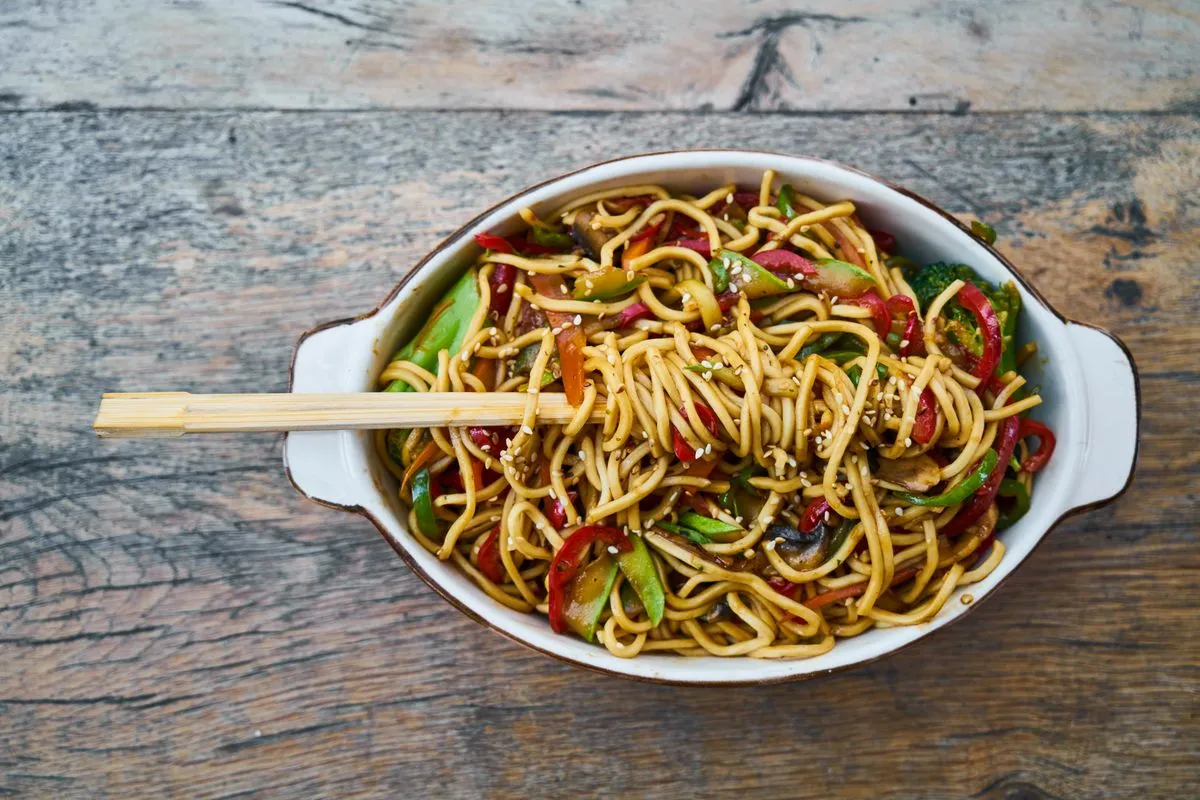
Japanese katsu meatballs are crispy, panko-crusted patties inspired by menchi katsu - the beloved yoshoku (Japanese Western-style) dish of breaded, deep-fried ground meat. Instead of a large cutlet, this version shapes the meat into small, easy-to-cook patties that get the same shattering crunch with less fuss. Served with tangy tonkatsu sauce, shredded cabbage, and steamed rice, they are ready in about 35 minutes.
This is not the same as Japanese hambagu (which is a soft, unbreaded hamburger steak simmered in demi-glace) or tsukune (grilled chicken meatballs on skewers). Katsu meatballs are defined by their panko coating and crispy exterior - the same crunch you get from chicken katsu or tonkatsu, but in meatball form.
Key Takeaways
- Beef-pork blend (50/50) gives the best flavor and fat content. All-beef works but is leaner; all-pork is richer.
- Squeeze the grated onion dry - excess moisture is the number one reason katsu meatballs fall apart during frying.
- Flat patties, not round balls - 2 inches wide, 3/4 inch thick. Flat shapes fry evenly and get maximum panko surface area.
- Bake or fry - baking at 425F on a wire rack gives 80% of the crunch with less mess. Frying in 1/4 inch of oil is faster and crispier.
- Tonkatsu sauce is non-negotiable - the sweet-tangy Worcestershire-style sauce is what makes this dish Japanese, not just breaded meatballs.
How to Make Japanese Katsu Meatballs
- Grate the onion and squeeze it dry. Peel half a small onion, grate it on a box grater, then wrap in a clean kitchen towel and squeeze firmly over the sink until no more liquid drips out. (See prep hint: Squeeze the Onion Dry)
- Mix the meatball base. In a large bowl, combine ground beef, ground pork, squeezed grated onion, 2 tbsp panko, soy sauce, sesame oil, garlic powder, ginger, and pepper. Mix gently with your hands until just combined. Do not overwork. (See prep hint: Mix Until Just Combined)
- Shape into flat patties. Divide the mixture into 20 equal portions. Roll each into a ball, then press into a flat patty about 2 inches (5 cm) across and 3/4 inch (2 cm) thick. Flat patties cook more evenly than round balls and get more panko surface area.
- Set up the breading station. Place beaten egg in one shallow plate and 1/2 cup panko in another. Dip each patty in egg, letting excess drip off, then press firmly into panko on both sides. Make sure the entire surface is coated.
- Bake or fry. For baking: preheat oven to 425F (220C). Place breaded patties on a wire rack over a foil-lined sheet pan. Spray tops with cooking oil. Bake for 18 to 20 minutes, flipping halfway, until golden brown and internal temperature reaches 160F (71C). For frying: heat 1/4 inch of neutral oil in a skillet over medium-high heat. Fry in batches for 3 to 4 minutes per side until deep golden. Drain on a wire rack.
- Warm the tonkatsu sauce. Pour tonkatsu sauce into a small saucepan and warm over low heat for 1 to 2 minutes, or microwave for 30 seconds. Warming the sauce helps it cling to the crispy meatballs.
- Plate and serve. Arrange meatballs on plates alongside shredded cabbage and steamed rice. Drizzle generously with tonkatsu sauce. Garnish with sesame seeds and sliced green onion.
Ingredients
For the meatballs:
- 1/2 lb (225 g) ground beef, 80/20
- 1/2 lb (225 g) ground pork, 80/20
- 1/2 small onion, finely grated and squeezed dry
- 2 tbsp panko breadcrumbs
- 1 tbsp soy sauce
- 1 tsp sesame oil
- 1/2 tsp garlic powder
- 1/2 tsp ground ginger
- Pinch of black pepper
For breading:
- 1/2 cup panko breadcrumbs
- 1 egg, beaten
- Neutral oil for frying (or cooking spray for baking)
For serving:
- 1/2 cup tonkatsu sauce (store-bought or homemade)
- Shredded cabbage
- Steamed rice
- Sesame seeds
- Sliced green onion
What Is Menchi Katsu?
Menchi katsu (メンチカツ) is a Japanese yoshoku dish - Western-influenced food adapted to Japanese tastes. It is a ground meat patty (usually beef, pork, or a blend) coated in panko breadcrumbs and deep-fried until golden and crispy. The name combines “menchi” (minced, from the English) and “katsu” (cutlet, from the German “Katsuretsu”).
You will find menchi katsu at Japanese delis (the famous Kichijoji Satou butcher in Tokyo has a line around the block for theirs), convenience stores, and yoshoku restaurants. It is typically served as a cutlet with shredded cabbage, rice, and tonkatsu sauce - the same accompaniments as chicken katsu or tonkatsu.
These katsu meatballs adapt the menchi katsu concept into smaller, faster-cooking patties. Same flavors, same crunch, half the cooking time.
Homemade Tonkatsu Sauce
Store-bought tonkatsu sauce (Bulldog or Otafuku brands) works great. But homemade is easy and tastes brighter.
Quick tonkatsu sauce:
- 3 tbsp ketchup
- 2 tbsp Worcestershire sauce
- 1 tbsp soy sauce
- 1 tsp Dijon mustard
- 1 tsp honey
Whisk together in a small bowl. Keeps in the fridge for up to 2 weeks. The ratio is flexible - more ketchup for sweetness, more Worcestershire for tang.
Baking vs Frying
| Method | Crunch | Effort | Mess | Best For |
|---|---|---|---|---|
| Bake (425F) | Very good | Low | Minimal | Weeknight dinner, meal prep |
| Pan-fry | Excellent | Medium | Moderate | Maximum crispiness |
| Air fryer | Excellent | Low | Minimal | Fast, even browning |
Baking is the easiest method. The wire rack is critical - it lets air circulate under the meatballs so the bottom stays crispy instead of steaming in its own juices.
Pan-frying gives the deepest golden color and crunch. Use a neutral oil with a high smoke point (vegetable, canola, or peanut). Fry in batches to avoid crowding the pan.
Air fryer works well at 400F for 10 to 12 minutes, flipping halfway. Spray the basket and tops of meatballs with oil first.
Tips for the Best Katsu Meatballs
Use a beef-pork blend. The 50/50 ratio gives the best combination of beefy flavor and pork juiciness. All-beef works but produces a denser patty. All-pork is richer but can be greasy.
Squeeze the onion thoroughly. Wet onion is the enemy of crispy coating. Squeeze until the towel feels almost dry. This takes about 30 seconds of firm pressing.
Do not make them too thick. A 3/4-inch patty cooks through in 18 to 20 minutes in the oven. Thicker patties need longer and the panko burns before the center is done.
Press the panko firmly. After dipping in egg, press the patty into the panko with your palm. Loose panko falls off during cooking. A firm press creates an even, adherent crust.
Use a wire rack for baking. Placing meatballs directly on foil traps moisture underneath. A wire rack elevates them so heat circulates on all sides.
Drain fried meatballs on a rack, not paper towels. Paper towels trap steam against the bottom, softening the crust. A wire rack keeps them crispy.
Variations
Chicken katsu meatballs. Substitute ground chicken thigh for the pork. Chicken is leaner, so add 1 tsp of oil to the mixture. Cook until internal temperature reaches 165F (74C).
Curry katsu meatballs. Add 1 tbsp Japanese curry powder to the meat mixture. Serve with rice and extra tonkatsu sauce.
Cheese-stuffed. Press a small cube of mozzarella or cheddar into the center of each patty before breading. The cheese melts inside during cooking.
Serving over noodles. Skip the rice and serve katsu meatballs over udon noodles with a drizzle of tonkatsu sauce and pickled ginger.
Meal prep. Bake the meatballs and cool completely. Store in an airtight container for up to 4 days. Reheat in the oven at 350F for 10 minutes to restore crunch. Do not microwave - it softens the panko.
Storage
Cooked meatballs: Refrigerate in an airtight container for up to 4 days. Reheat in the oven at 350F (175C) for 10 to 12 minutes to restore crispiness.
Uncooked breaded patties: Place on a parchment-lined tray and freeze until solid (about 2 hours). Transfer to a freezer bag. Store up to 3 months. Bake from frozen at 425F for 22 to 25 minutes, flipping halfway.
Tonkatsu sauce: Store-bought keeps for months in the fridge. Homemade keeps for up to 2 weeks in a sealed jar.
FAQ
What is the difference between katsu meatballs and regular meatballs?
Katsu meatballs are coated in panko breadcrumbs and either baked or fried until crispy, inspired by Japanese menchi katsu. Regular meatballs (like Italian beef) are typically baked or simmered in sauce with no breadcrumb coating on the outside.
Can I use ground turkey instead of beef and pork?
Yes. Ground turkey works but is much leaner. Add 1 tablespoon of neutral oil to the meatball mixture to compensate. Bake until the internal temperature reaches 165F (74C). The panko coating helps retain moisture.
What is tonkatsu sauce and where do I find it?
Tonkatsu sauce is a thick, sweet-tangy Japanese condiment made from fruits, vegetables, and spices. It tastes like a thicker, sweeter Worcestershire sauce. Look for Bulldog or Otafuku brands at Asian grocery stores, most supermarkets in the international aisle, or online. See the homemade version above if you cannot find it.
Can I bake these instead of frying?
Yes. Bake at 425F (220C) on a wire rack over a foil-lined sheet pan for 18 to 20 minutes, flipping halfway. Spray the tops with cooking oil before baking for better browning. The crunch is about 80% as good as frying.
How do I keep the panko from falling off?
Three things: squeeze the onion dry so the mixture is not wet, press the panko firmly onto each patty with your palm, and do not flip too early when frying. Let the crust set for 3 minutes before turning.
Is this recipe gluten-free?
The meatball mixture itself is mostly gluten-free, but the panko coating contains wheat. Substitute gluten-free panko or crushed rice crackers for the coating. Use gluten-free soy sauce (tamari) in the meat mixture and check that your tonkatsu sauce is gluten-free.
Sources
- Menchi Katsu (Japanese Ground Meat Cutlet) - Just One Cookbook
- Menchi Katsu - Sudachi Recipes
- Katsu Pork Meatballs - Home Chef
- Safe Minimum Internal Temperature Chart - USDA FSIS
- Tonkatsu Sauce Recipe - Just One Cookbook
Related: Japanese Hambagu (Hamburger Steak) | Japanese Tsukune Chicken Meatballs | Air Fryer Meatballs | Classic Beef Meatballs in Marinara | Spaghetti and Meatballs