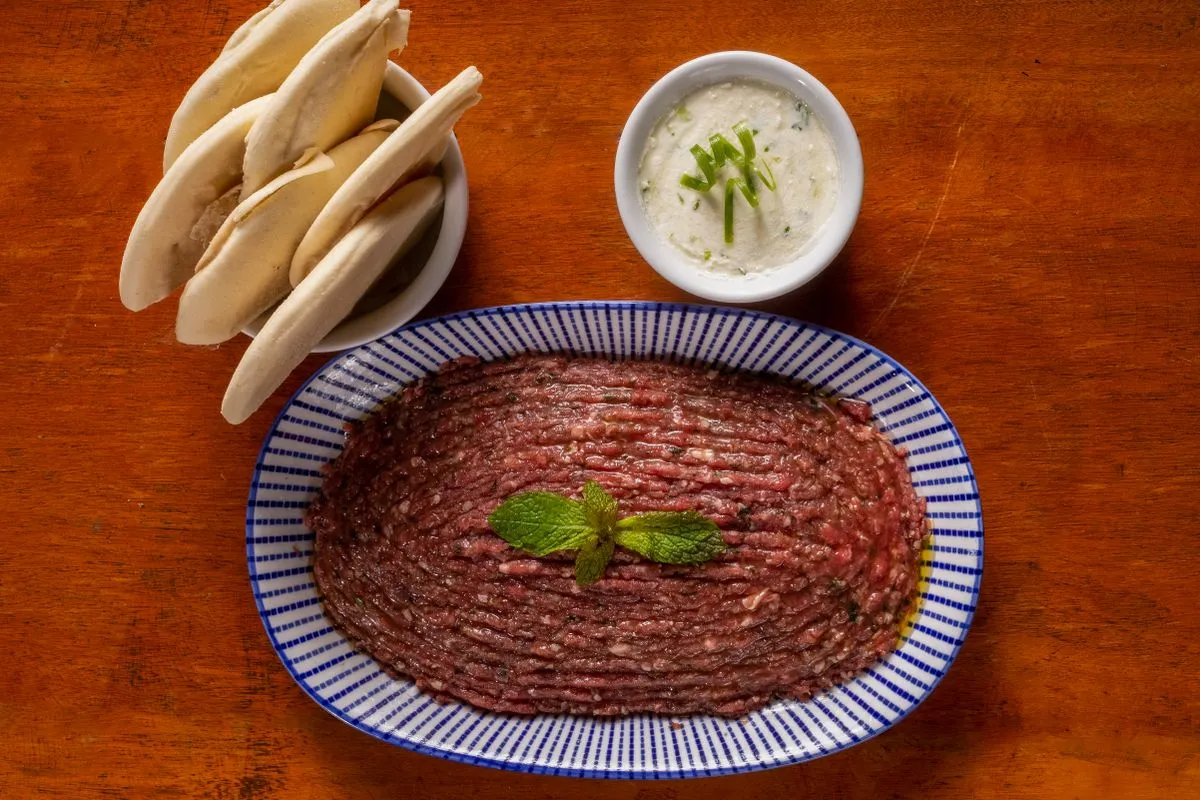
Kibbeh labanieh is one of Lebanon’s most beloved comfort foods - torpedo-shaped kibbeh made from spiced beef and fine bulgur, poached until tender, then simmered in a warm, tangy garlic yogurt sauce. It is the dish Lebanese grandmothers make on cold evenings, the kind of meal that makes the whole house smell like home.
If you enjoy Lebanese dawood basha meatballs or kofta bil tahini, kibbeh labanieh brings a different side of Lebanese cooking to the table - the creamy, yogurt-based tradition rather than tomato-based sauces.
Key Takeaways
- Kibbeh labanieh is a Lebanese dish of spiced beef and bulgur kibbeh simmered in creamy garlic yogurt sauce
- The name means “kibbeh in yogurt” - labanieh comes from “laban,” the Arabic word for yogurt
- Fine bulgur is soaked and mixed into the meat to give kibbeh its signature texture
- The kibbeh is poached, not fried - making this version lighter than traditional fried kibbeh
- Yogurt sauce must be stirred constantly over medium-low heat to prevent curdling
- Ready in about 60 minutes - perfect for a comforting weeknight dinner
- Serves 4 as a main course with rice or flatbread
How to Make Kibbeh Labanieh
- Soak the bulgur. Place fine bulgur in a bowl, cover with warm water, and soak for 10 minutes. Drain and squeeze out excess moisture.
- Make the kibbeh mixture. In a large bowl, combine ground beef, drained bulgur, grated onion, cinnamon, allspice, salt, and pepper. Mix gently with your hands until just combined.
- Shape the kibbeh. Wet your hands and roll the mixture into torpedo-shaped ovals, about 2 inches long. You should get about 20 to 24 pieces.
- Poach the kibbeh. Bring a large pot of salted water to a gentle simmer. Carefully drop the kibbeh into the water. Cook for 12 to 15 minutes until they float to the surface.
- Make the yogurt sauce. In a separate large pot, whisk together yogurt, cornstarch, chicken broth, and minced garlic until smooth.
- Simmer the sauce. Place the yogurt pot over medium-low heat. Stir constantly for 5 to 7 minutes until the sauce thickens and comes to a gentle simmer. Do not boil.
- Season the sauce. Add dried mint and salt to taste. Stir to combine.
- Combine. Using a slotted spoon, transfer the poached kibbeh into the yogurt sauce. Simmer together for 10 minutes so the flavors meld.
- Serve. Drizzle with olive oil, sprinkle with toasted pine nuts and fresh mint. Serve warm with rice or flatbread.
What Is Kibbeh Labanieh?
Kibbeh labanieh is a traditional Lebanese dish that pairs kibbeh - the national dish of Lebanon - with a warm, tangy yogurt sauce. The name is straightforward: “kibbeh” refers to the spiced meat and bulgur dumplings, and “labanieh” comes from “laban,” the Arabic word for yogurt.
Unlike fried kibbeh, which is crispy and golden, the kibbeh in labanieh is poached in simmering water. This gives it a soft, pillowy texture that melts into the creamy yogurt sauce. The result is a dish that is rich but not heavy, savory but with a pleasant tang from the yogurt.
Kibbeh labanieh is a staple in Lebanese home cooking, especially during cooler months. It is often served with vermicelli rice or warm pita bread, and it is one of the dishes that define Lebanese comfort food alongside dawood basha and kibbeh bil sanieh (baked kibbeh).
Ingredients
For the Kibbeh
- Ground beef (90/10) - Lean beef works best. Too much fat makes the kibbeh fall apart during poaching.
- Fine bulgur wheat - Must be fine grind, not coarse. Soak and squeeze dry before mixing.
- Yellow onion - Grate it finely so it blends into the meat without leaving chunks.
- Ground cinnamon and allspice - The warm spice backbone of Lebanese kibbeh. Use freshly ground if possible.
- Salt and pepper - Simple seasoning lets the spices shine.
For the Yogurt Sauce
- Full-fat plain yogurt - Low-fat yogurt curdles more easily. Full-fat is essential for a stable sauce.
- Cornstarch - Prevents the yogurt from separating when heated. Do not skip this.
- Chicken broth - Thins the sauce to the right consistency and adds depth.
- Garlic - Minced fine. The sauce should have a noticeable garlic presence.
- Dried mint - A small amount adds a cooling, herbal note that balances the tangy yogurt.
Tips for Perfect Kibbeh Labanieh
Squeeze the Bulgur Dry
Wet bulgur is the number one reason kibbeh falls apart. After soaking for 10 minutes, drain the bulgur and squeeze it firmly in a clean kitchen towel or between your hands. It should feel damp but not wet. This step takes 2 minutes and makes the difference between kibbeh that holds its shape and kibbeh that disintegrates in the pot.
Do Not Boil the Yogurt Sauce
Yogurt sauces curdle at high heat. Keep the burner at medium-low and stir constantly in one direction until the sauce thickens. Once it reaches a gentle simmer, reduce the heat further. If you see small lumps forming, remove from heat immediately and whisk vigorously.
Poach, Do Not Boil
The water for poaching kibbeh should be at a gentle simmer - small bubbles breaking the surface, not a rolling boil. Boiling water causes the kibbeh to break apart. Drop them in one by one and resist the urge to stir during the first 5 minutes.
Shape with Wet Hands
The kibbeh mixture is sticky. Wet your hands before shaping each piece. The torpedo shape is traditional, but round balls work too if you prefer. Keep the pieces uniform in size so they cook evenly.
Variations
With Pine Nut Filling
Some versions stuff the kibbeh with toasted pine nuts and ground meat. This is more labor-intensive but adds a rich, nutty center. Shape the kibbeh around a small spoonful of the filling.
Baked Version
Instead of poaching, arrange the shaped kibbeh in a baking dish, pour the yogurt sauce over the top, and bake at 375°F (190°C) for 25 to 30 minutes. The top develops a light golden crust.
With Rice Instead of Bulgur
Some families use soaked short-grain rice instead of bulgur. The texture is slightly different - less earthy, more neutral. Both versions are authentic.
Lamb Kibbeh
Replace the beef with ground lamb for a richer, more traditional flavor. Lamb was the original meat used in kibbeh before beef became more common in modern Lebanese cooking.
Serving Suggestions
Kibbeh labanieh is traditionally served as a main course. Pair it with:
- Vermicelli rice - The classic accompaniment. Toast thin rice noodles in butter, then cook with white rice.
- Warm pita bread - For scooping up the yogurt sauce.
- Simple salad - A cucumber and tomato salad with lemon juice and olive oil cuts through the richness.
- Pickled vegetables - Lebanese pickled turnips or mixed pickles add acidity.
Storage and Reheating
- Refrigerator: Store kibbeh and sauce together in an airtight container for up to 3 days. The sauce may thicken in the fridge - thin with a splash of broth when reheating.
- Freezer: Freeze the poached kibbeh (without sauce) for up to 2 months. Make the sauce fresh when ready to serve. The yogurt sauce does not freeze well.
- Reheat: Warm gently over medium-low heat, stirring occasionally. Do not boil.
Frequently Asked Questions
What is the difference between kibbeh and kibbeh labanieh?
Kibbeh is the general term for Lebanese meat and bulgur dumplings. Kibbeh can be fried, baked, grilled, or raw. Kibbeh labanieh specifically refers to kibbeh that is poached and served in a warm yogurt sauce. The sauce is what makes it “labanieh” - from the Arabic “laban” meaning yogurt.
Can I use ground lamb instead of beef?
Yes. Ground lamb is actually more traditional for kibbeh. It produces a richer, more flavorful result. Use the same ratio and follow the same instructions. Lamb fat keeps the kibbeh moist during poaching.
Why does my yogurt sauce curdle?
Yogurt curdles when heated too quickly or at too high a temperature. The cornstarch in this recipe helps prevent curdling, but you still need to keep the heat medium-low and stir constantly. If the sauce starts to look grainy, remove it from heat and whisk vigorously.
Can I make kibbeh labanieh ahead of time?
You can shape the kibbeh and refrigerate them for up to 24 hours before poaching. You can also poach the kibbeh and store them in the fridge for 2 days. Make the yogurt sauce fresh when ready to serve for the best texture.
What kind of bulgur should I use?
Use fine bulgur (sometimes labeled “bulgur #1” or “fine grind”). Coarse bulgur will not blend into the meat properly and will give the kibbeh a gritty texture. Fine bulgur is available at Middle Eastern grocery stores and well-stocked supermarkets.
Is kibbeh labanieh spicy?
No. Kibbeh labanieh is mild and tangy, not spicy. The flavor comes from cinnamon, allspice, and garlic. If you want heat, add a pinch of Aleppo pepper flakes to the yogurt sauce or serve with a side of harissa.
Related Recipes
- Lebanese Meatballs (Dawood Basha) - Spiced meatballs in tomato sauce with pine nuts
- Kofta bil Tahini: Lebanese Baked Meatballs - Baked kofta in creamy tahini sauce
- Greek Youvarlakia Avgolemono - Another yogurt/egg-based meatball dish from the Mediterranean
- Kibbeh - Glossary entry on kibbeh traditions and variations
- Lamb Kofta with Mint Yogurt Sauce - Grilled kofta with a cold yogurt dip