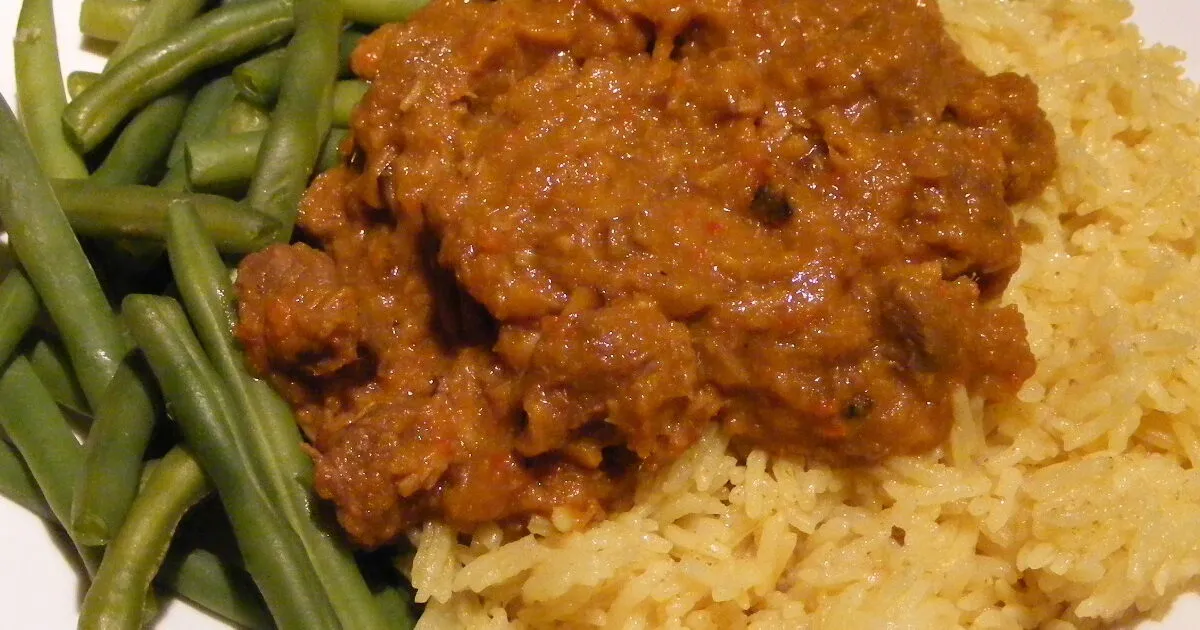
Rendang is the dish that topped CNN’s World’s 50 Best Foods list in 2017, and for good reason: a slow-cooked coconut and spice treatment that turns tough cuts of beef into dark, caramelized, deeply savory bites. The catch is the clock. Classic rendang simmers for hours, often three or four, until the sauce reduces to almost nothing.
Meatballs fix that. Switch whole beef for ground beef, and you cut the cook time from hours to under an hour, because small balls absorb the sauce quickly and stay tender while the coconut milk reduces around them. You still get the glossy, oil-separated sauce that defines rendang, just on a weeknight schedule.
This version follows the home-style approach used across Malaysia and Indonesia: meatballs seasoned with a homemade rendang paste, browned, then simmered in coconut milk and tamarind until the sauce turns thick and coats the meatballs. Serve it over rice with a side of green beans, and you have a dinner that tastes like it came from a hawker stall, not a 45-minute skillet.
How to Make Beef Rendang Meatballs
- Make the rendang paste. Soak the dried chilies in hot water for 10 minutes until soft. Drain, then blend them with the shallots, garlic, ginger, lemongrass, star anise, cloves, cardamom, cinnamon, candlenuts, and a splash of water into a smooth paste.
- Shape the meatballs. In a bowl, mix the ground beef, 3 tbsp rendang paste, desiccated coconut, egg, and salt. Knead for 2 to 3 minutes until sticky, then roll into 16 to 18 meatballs.
- Brown the meatballs. Heat the oil in a wide skillet over medium-high. Brown the meatballs in batches for 5 to 6 minutes total, turning often, then set them aside. They do not need to cook through.
- Cook the sauce base. Add the remaining paste to the skillet and fry for 2 to 3 minutes until fragrant. Pour in the coconut milk, tamarind, kaffir lime leaves, and palm sugar. Bring to a simmer.
- Simmer the meatballs. Nestle the meatballs into the sauce and simmer gently for 20 to 25 minutes, stirring occasionally, until the sauce thickens and turns deep brown.
- Finish the sauce. Cook for 3 to 5 minutes more, stirring, until the oil separates and the sauce is glossy and clings to the meatballs. Season with salt.
- Rest for 5 minutes. Serve hot over steamed rice.
Ingredients
For the rendang paste
- 6 dried red chilies (guajillo or Kashmiri), stems removed
- 4 shallots, roughly chopped
- 5 cloves garlic
- 1 1/2 inch (4 cm) piece fresh ginger, peeled
- 1 lemongrass stalk, white part only, sliced
- 1 star anise
- 6 whole cloves
- 3 green cardamom pods
- 1 tsp ground cinnamon
- 2 candlenuts or macadamia nuts
For the meatballs
- 1 lb (450 g) ground beef, 80/20
- 3 tbsp rendang paste, divided
- 2 tbsp unsweetened desiccated coconut
- 1 large egg, lightly beaten
- 1 tsp kosher salt
- 2 tbsp neutral oil, for browning
For the sauce
- 1 can (13.5 oz / 400 ml) full-fat coconut milk
- 1 tbsp tamarind paste
- 2 kaffir lime leaves, torn (optional)
- 1 tbsp palm sugar or brown sugar
What Is Rendang?
Rendang is a Southeast Asian dry curry from the Minangkabau people of West Sumatra, Indonesia, and it is also claimed with pride by Malaysia, where it appears at weddings, Hari Raya tables, and hawker stalls. The technique is simple to describe and slow to execute: meat is simmered in coconut milk with a paste of chilies, lemongrass, galangal, garlic, shallots, and warm spices until the liquid cooks off and the oil separates from the sauce. What is left is not a soup but a glossy coating of caramelized spice on tender meat.
The traditional dish can take three to four hours, which is why whole-beef rendang is a celebration food. The meatball version is the shortcut the region quietly uses at home: ground meat cooks in minutes and the sauce reduces around it just as well. It is also how modern rendang products work, from Brahim’s beef meatballs rendang to rendang spaghetti and meatball curries sold in Australian supermarkets.
Our Modern Kitchen calls its beef rendang meatballs an easy Malaysian recipe, a good description of the home-style method: meatballs seasoned with a homemade rendang paste, browned, then simmered in coconut milk and tamarind until reduced. That is the technique this recipe follows. If you want the springier Indonesian bakery-style balls, think of rendang bakso, where the meatballs are made with tapioca starch for extra bounce before they go into the rendang sauce, as on Daily Cooking Quest.
If you are new to this corner of Southeast Asian cooking, the existing Malaysian meatballs in spicy coconut curry is the gentler cousin of this dish, and the Indonesian bakso meatball soup covers the springy meatball side of the family. For more in this direction, browse the best Malaysian meatball recipes or the Indonesian meatball roundup.
Tips for a Thick, Glossy Sauce
- Use full-fat coconut milk. Light coconut milk breaks and stays watery, which prevents the oil separation that gives rendang its signature look. This is the one ingredient not to swap.
- Do not rush the reduction. The sauce looks thin for the first 15 minutes, then suddenly tightens. Give it the full 20 to 25 minutes before judging.
- Keep browning in the pan. The browned bits left by the meatballs are flavor, so build the sauce right in the same skillet.
- Let it rest. The sauce keeps thickening as the pan cools, so a 5-minute rest before serving gives you the glossiest result.
Variations
- Chicken rendang meatballs. Swap the ground beef for ground chicken or turkey. Because chicken is leaner, add 1 tbsp oil to the meatball mix and drop the simmer to 15 to 18 minutes so the balls stay moist.
- Rendang bakso. For the bouncy Indonesian version, work 3 tbsp tapioca starch and 2 tbsp ice water into the meatball mix, and simmer the shaped balls in lightly salted water until they float before adding them to the sauce. Daily Cooking Quest is a solid reference for this style.
- Fried rendang meatballs. Turn up the flavor by giving the browned meatballs a 30-second fry right before serving, the crispy exterior against the glossy sauce is a favorite Indonesian hawker move.
- Baked shortcut. If you want less hands-on browning, bake the meatballs at 400 F (200 C) for 12 to 15 minutes while you cook the sauce on the stove.
Storage
Rendang is famously a day-better dish. Refrigerate the meatballs in their sauce in an airtight container for up to 4 days; the sauce thickens and the spices meld overnight. Reheat gently in a skillet with a splash of water or coconut milk. Freeze for up to 3 months, and thaw in the fridge before reheating. Like chili, rendang freezes beautifully because the sauce is its own preservative.
FAQ
Is rendang the same as curry? Not exactly. Both use coconut milk and spices, but a curry is served with sauce to spoon over rice, while a true rendang is cooked until the liquid evaporates and the oil separates, leaving a dry, glossy coating on the meat. This meatball version lands in between: sauce-thick but still spoonable.
Why is my rendang sauce watery? It has not reduced enough. Keep simmering and stirring until the sauce visibly thickens and small beads of oil appear on the surface. Full-fat coconut milk and patience fix most watery rendang.
Can I use store-bought rendang paste? Yes. Use about 4 tbsp of a good brand, and still fry it in oil for 2 to 3 minutes until fragrant before adding the coconut milk. The recipe’s homemade paste uses only pantry-friendly dried chilies and whole spices, so making it yourself is mostly a 10-minute blender job.
How long do rendang meatballs take? About 55 minutes total, compared to 3 to 4 hours for classic whole-beef rendang. The ground beef is what collapses the timeline.
What do I serve with rendang meatballs? Steamed jasmine rice is the standard pairing, with blanched green beans or a cucumber salad on the side. The sauce is rich enough that you want something plain to soak it up.
Sources
- Our Modern Kitchen, Beef Rendang Meatballs: Easy Malaysian Recipe - base technique and ingredient ratios
- Daily Cooking Quest, Rendang Bakso Sapi (Meatballs in Beef Rendang Sauce) - Indonesian rendang bakso reference
- Woolworths, Rendang Meatball Curry recipe - modern rendang meatball dish reference
- Fine Dining Lovers, CNN Lists the World’s 50 Best Foods - rendang ranked number one (2017)
- Hero photo: “Beef Rendang with Nasi Kuning and Green Beans” by FotoosVanRobin, Wikimedia Commons, CC BY-SA 2.0