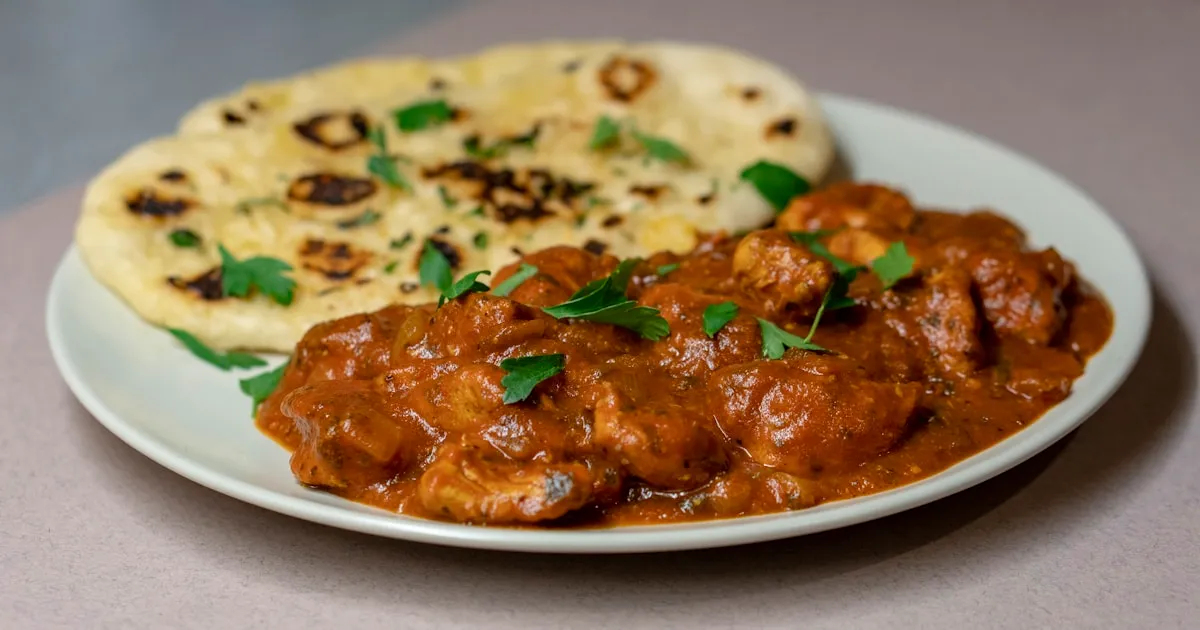
Malaysian meatballs in spicy coconut curry bring the bold, aromatic flavors of Kuala Lumpur street food to your weeknight dinner table. Tender beef meatballs simmer directly in a fragrant coconut curry sauce built on Malaysian curry powder, lemongrass, galangal, and fresh curry leaves - no browning required.
The whole dish comes together in about 35 minutes. The curry sauce does the heavy lifting: a fragrant base of toasted spices, coconut milk, and aromatics that infuses the meatballs with flavor as they cook. Serve it over jasmine rice and you have a complete one-pot dinner.
Key Takeaways
- Malaysian curry powder is a multicultural blend of coriander, cumin, turmeric, cinnamon, and dried chilies - distinct from Indian Madras or Thai curry paste. Look for brands like Baba’s or Adabi at Asian grocery stores.
- Fresh curry leaves are essential for authentic Malaysian curry flavor. They add a herbaceous, citrusy note that dried leaves cannot replicate. Find them at Indian or Southeast Asian grocery stores.
- Drop meatballs raw into the simmering sauce - no browning needed. The meatballs cook gently in the coconut milk, staying tender and absorbing curry flavor from the inside out.
- Potato cubes cook alongside the meatballs, absorbing the curry sauce and making the dish a complete meal over rice.
- Toast the curry paste until the oil separates - this 2-minute step blooms the spices and creates deep, complex flavor.
How to Make Malaysian Meatballs in Spicy Coconut Curry
- Make the meatball mixture. Combine beef, panko, egg, scallions, cilantro, salt, and pepper in a bowl. Mix gently with your hands until just combined. Do not overmix.
- Shape the meatballs. Roll into 20 meatballs, about 1.25 inches across. Set aside on a plate.
- Blend the aromatics. Add onion, garlic, and ginger to a small food processor. Pulse until you get a rough paste. No need to be perfectly smooth.
- Toast the curry paste. Heat oil in a large deep skillet or wok over medium-high heat. Add the onion paste and cook for 3 to 4 minutes until fragrant and lightly golden.
- Add the spices. Stir in curry powder, chili powder, turmeric, curry leaves, and star anise. Cook for 2 minutes, stirring constantly, until the spices are fragrant and the oil starts to separate.
- Build the curry sauce. Pour in coconut milk and water. Stir in tomato paste and fish sauce. Bring to a gentle simmer.
- Add the meatballs. Drop meatballs one by one into the simmering sauce. Stir gently once or twice to coat. Do not break them.
- Add the potato. Nestle potato cubes into the sauce around the meatballs. Cover and simmer on medium-low heat for 15 minutes, stirring occasionally, until potatoes are tender and meatballs reach an internal temperature of 160F (71C).
- Season and serve. Taste the sauce and adjust salt. Garnish with fresh cilantro and sliced red chilies. Serve over steamed jasmine rice.
Ingredients
For the meatballs:
- 1 lb (450 g) ground beef, 80/20
- 1/3 cup panko breadcrumbs
- 1 large egg, lightly beaten
- 2 tbsp finely chopped scallions
- 1 tbsp finely chopped fresh cilantro
- 1/2 tsp salt
- 1/4 tsp black pepper
For the curry sauce:
- 2 tbsp vegetable oil
- 1 large onion, roughly chopped
- 4 cloves garlic, roughly chopped
- 1 inch fresh ginger, sliced
- 2 stalks lemongrass, bottom 4 inches only, tough outer layers removed, finely sliced
- 2 tbsp Malaysian curry powder
- 1 tsp chili powder (adjust to taste)
- 1/4 tsp ground turmeric
- 8 fresh curry leaves
- 1 star anise
- 1 cup (240 ml) coconut milk
- 1 cup (240 ml) water
- 1 medium potato, peeled and cut into 1-inch cubes
- 1 tbsp tomato paste
- 1 tsp fish sauce (optional)
- Salt to taste
To garnish:
- Fresh cilantro leaves
- Sliced red chilies
- Steamed jasmine rice
What Makes Malaysian Curry Different?
Malaysian curry sits at the crossroads of Indian, Thai, and Southeast Asian cooking. Unlike Indian curries that lean heavily on ground spices and ghee, or Thai curries built on fresh chili paste, Malaysian curry powder combines dried chilies, coriander, cumin, turmeric, cinnamon, cloves, and cardamom into a single, balanced blend.
The result is a curry that is earthy and warm from Indian spices, but brighter and more aromatic from Southeast Asian ingredients like lemongrass, galangal, and curry leaves. Coconut milk adds richness without the heaviness of cream or ghee.
Malaysian Curry Powder vs Other Curries
| Component | Malaysian | Indian Madras | Thai Red Curry |
|---|---|---|---|
| Base | Dry powder blend | Dry powder blend | Fresh chili paste |
| Heat | Moderate, warm | Hot, direct | Sharp, bright |
| Aromatics | Lemongrass, galangal, curry leaves | Ginger, garlic, mustard seeds | Lemongrass, kaffir lime |
| Liquid | Coconut milk | Water or yogurt | Coconut milk |
| Flavor profile | Earthy, warm, aromatic | Bold, spicy, robust | Bright, herbaceous, spicy |
The Role of Curry Leaves
Fresh curry leaves are the secret weapon of Malaysian cooking. They add a herbaceous, slightly citrusy, anise-like flavor that cannot be replicated by dried leaves or curry powder alone. When fried in hot oil at the start of cooking, they release aromatic oils that perfume the entire dish.
If you cannot find fresh curry leaves, skip them rather than using dried - dried curry leaves lose most of their flavor. Find fresh leaves at Indian or Southeast Asian grocery stores, or order them online. They freeze well for months.
Why Drop Meatballs Raw Into Curry?
Most meatball curries ask you to brown the meatballs first. This recipe skips that step - and for good reason:
- Tender texture. Raw meatballs poach gently in coconut milk, staying juicier than seared ones. The gentle heat prevents the proteins from tightening and squeezing out moisture.
- Flavor absorption. Unseared meatballs absorb curry flavor as they cook, creating a more cohesive dish where the meatball and sauce taste like they belong together.
- One-pot simplicity. No extra pan, no splatter, no batch cooking. Drop them in and walk away for 15 minutes.
The tradeoff is less Maillard browning on the surface. If you want a bit more color, pan-fry the meatballs for 2 to 3 minutes per side before adding them to the curry - but it is not required.
Tips for the Best Malaysian Curry
- Use Malaysian curry powder, not generic. Brands like Baba’s, Adabi, or Alagappa’s are available at Asian grocery stores and online. They have a different spice ratio than Indian or Japanese curry powder.
- Toast the spices until the oil separates. This 2-minute step - called “pecah minyak” in Malay - is the most important step in the recipe. When the oil floats to the surface after toasting the spice paste, the spices have fully bloomed and the curry will have deep, complex flavor.
- Use full-fat coconut milk. Light coconut milk will not thicken the sauce properly and lacks the richness that balances the spices. Canned coconut milk is fine - just shake the can well before opening.
- Lemongrass matters. Use only the tender bottom 4 inches of the stalk. Remove the tough outer layers, then slice thinly. The fibrous tops are too woody to eat. If you cannot find lemongrass, substitute 1 tsp lemongrass paste.
- Adjust the heat. Start with 1 tsp chili powder for mild. Increase to 2 tsp for medium heat. The curry powder itself has mild warmth, so the chili powder is where you control the fire.
Serving Suggestions
- Over jasmine rice - the classic pairing. The fluffy rice soaks up the coconut curry sauce.
- With roti canai or roti jala - Malaysian flatbreads perfect for scooping up sauce. Frozen roti canai is available at most Asian grocery stores.
- Over rice noodles - toss cooked rice noodles directly into the curry for a one-bowl meal.
- With a side of cucumber acar - Malaysian pickled cucumber with chili and vinegar cuts through the richness of the coconut sauce.
Storage and Reheating
- Fridge: Store meatballs and sauce in an airtight container for up to 4 days. The curry flavors deepen overnight.
- Freezer: Freeze the curry (without rice) for up to 3 months. The potato may soften slightly upon thawing but the flavor holds.
- Reheat: Warm gently in a saucepan over medium-low heat, adding a splash of water if the sauce has thickened too much. Avoid boiling vigorously - it can break the coconut milk.
FAQ
What is Malaysian curry powder and where do I buy it?
Malaysian curry powder is a dry spice blend of coriander, cumin, turmeric, dried chilies, cinnamon, cloves, and cardamom. It differs from Indian curry powder in its balance - more coriander-forward with a warmer, slightly sweeter profile. Look for Baba’s, Adabi, or Alagappa’s brands at Asian grocery stores or online. Do not substitute with Thai curry paste or Japanese curry roux - they are fundamentally different products.
Can I use ground chicken or turkey instead of beef?
Yes. Ground chicken works especially well in Malaysian curry since the lighter meat absorbs the fragrant sauce. Use 93/7 ground chicken or ground turkey thigh for best results. The cooking time stays the same - simmer until the internal temperature reaches 165F (74C) for poultry.
What if I cannot find fresh curry leaves?
Skip them. Dried curry leaves lose most of their flavor and are not a good substitute. The curry will still taste excellent from the lemongrass, galangal, and curry powder. Fresh curry leaves are available at Indian and Southeast Asian grocery stores, and they freeze well for months in a sealed bag.
Can I make this in a slow cooker?
Yes. Brown the onion-spice paste in a skillet first, then transfer everything to a slow cooker. Add raw meatballs and potato. Cook on low for 4 to 5 hours or high for 2 to 3 hours. The coconut milk may thin out during long cooking - add it in the last hour if you prefer a thicker sauce.
What is the difference between Malaysian curry and Thai curry?
Both use coconut milk, but the spice base is different. Thai curry relies on fresh chili paste (red, green, or yellow) with lemongrass, galangal, and kaffir lime. Malaysian curry uses dry curry powder blended with fresh aromatics like curry leaves and sometimes lemongrass. Malaysian curry is earthier and warmer; Thai curry is brighter and more herbaceous.
How spicy is this recipe?
With 1 tsp chili powder, this recipe is mild to medium - warm and flavorful without being fiery. The curry powder itself has mild warmth. Increase to 2 tsp chili powder for medium heat, or add a diced fresh bird’s eye chili for extra kick. The coconut milk naturally tempers the heat.
Sources
- Malaysian Curry Powder: A Multicultural Curry Blend - SPICEography
- Safe Minimum Internal Temperature Chart - USDA FSIS
- Curry Leaf Substitutes & Where to Buy - MyIndianStove
- Granny’s Malaysian Meatball Curry - Food.com
Related: Thai Green Curry Meatballs | Indonesian Bakso Meatball Soup | Butter Chicken Meatballs | Thai Red Curry Meatballs