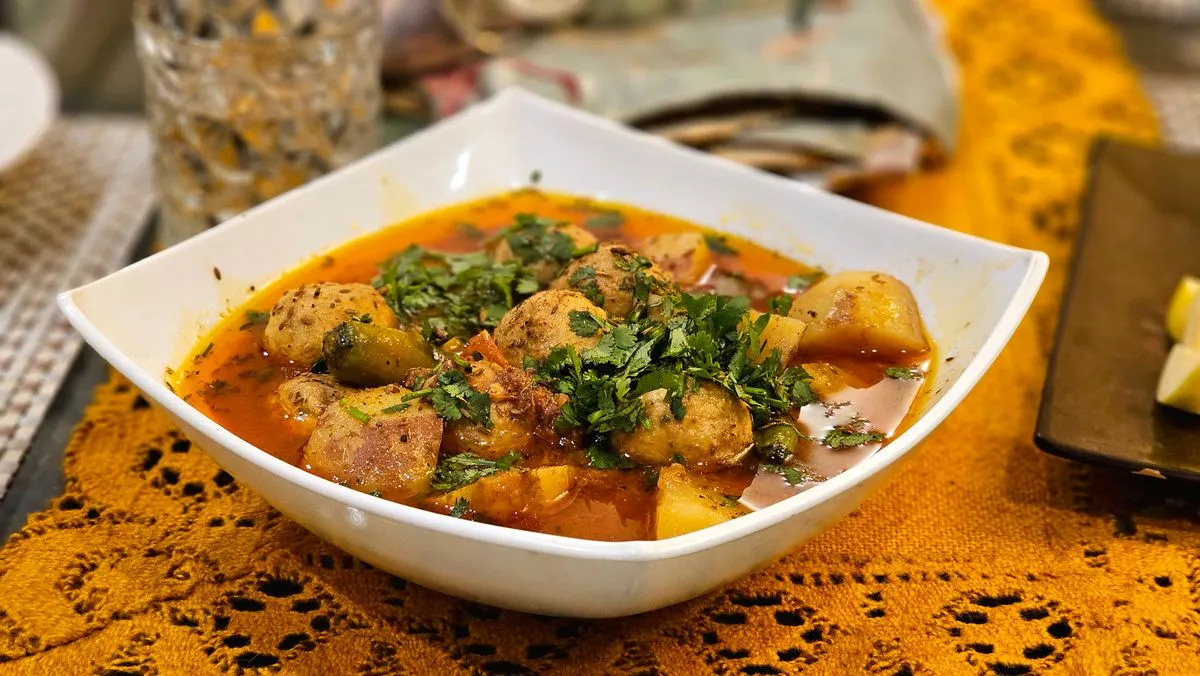
Thai green curry meatballs bring the bright, aromatic heat of Thailand’s most popular curry to the dinner table in about 30 minutes. Unlike the richer, deeper red curry, green curry leans on fresh green chilies, lemongrass, and galangal for a lighter, more herbaceous flavor.
The meatballs soak up the coconut cream sauce while staying juicy inside. Served over jasmine rice with Thai basil and a squeeze of lime, this is weeknight cooking that tastes like it took hours.
This recipe follows the same structure as our Thai Red Curry Meatballs - swap the curry paste and you get a completely different dish.
Key Takeaways
- Green curry paste blooms in oil - cook it for 30 seconds before adding liquid to release the aromatics.
- Full-fat coconut milk gives the sauce body. Light coconut milk works but the sauce will be thinner.
- Do not overmix the meatball mixture - stop as soon as ingredients are evenly distributed.
- Thai basil goes in at the end - it wilts fast and loses its anise flavor if cooked too long.
- Adjust the heat - green curry paste varies by brand. Start with 2 tbsp and add more to taste.
How to Make Thai Green Curry Meatballs
- Make the meatball mixture. Combine chicken, panko, cilantro, garlic, ginger, fish sauce, soy sauce, and egg in a bowl. Mix until just combined. (See prep hint: Mix Until Just Combined)
- Shape into meatballs. Roll into 24 meatballs, about 1.25 inches across. Wet hands prevent sticking.
- Sear the meatballs. Heat oil in a large skillet over medium-high heat. Brown meatballs in batches for 2 to 3 minutes per side until golden. Transfer to a plate.
- Fry the aromatics. In the same pan, add chopped garlic and ginger. Stir-fry for 30 seconds until fragrant.
- Bloom the curry paste. Add green curry paste and cook for 30 seconds, stirring constantly, until the paste is fragrant and slightly darkened. (See prep hint: Bloom the Curry Paste)
- Build the sauce. Pour in coconut milk, fish sauce, soy sauce, and brown sugar. Stir to combine and bring to a gentle simmer.
- Add vegetables. Toss in bamboo shoots and bell pepper if using. Simmer for 2 to 3 minutes until slightly softened.
- Return meatballs to the pan. Nestle them into the sauce and cook for 5 to 6 minutes until cooked through to 165F (74C).
- Finish with lime. Stir in lime juice, taste, and adjust seasoning. Garnish with Thai basil or cilantro.
- Serve. Spoon jasmine rice into bowls. Top with meatballs and plenty of sauce.
Ingredients
For the meatballs:
- 1 lb (450 g) ground chicken or pork, 80/20
- 1/3 cup panko breadcrumbs
- 2 tbsp fresh cilantro, finely chopped
- 2 cloves garlic, minced
- 1 tbsp fresh ginger, grated
- 1 tbsp fish sauce
- 1 tsp soy sauce
- 1 egg, lightly beaten
For the green curry sauce:
- 1 tbsp neutral oil, for searing
- 3 cloves garlic, roughly chopped
- 1 tbsp fresh ginger, sliced
- 2 to 3 tbsp Thai green curry paste (adjust to taste)
- 1 can (13.5 oz / 400 ml) full-fat coconut milk
- 1 tbsp fish sauce
- 1 tbsp soy sauce
- 1 tbsp brown sugar or palm sugar
- 1 tbsp lime juice
Optional add-ins:
- 1 cup bamboo shoots, drained
- 1 red bell pepper, sliced
- Fresh Thai basil or cilantro, for garnish
- Jasmine rice, for serving
What Makes Green Curry Different from Red Curry
Green curry paste gets its color and heat from fresh green Thai chilies, while red curry uses dried red chilies. The flavor profiles diverge from there:
| Element | Green Curry | Red Curry |
|---|---|---|
| Chilies | Fresh green | Dried red |
| Heat level | Bright, sharp | Deep, smoky |
| Herb notes | Lemongrass, galangal, kaffir lime | Cumin, coriander, makrut |
| Color | Pale green to yellow-green | Red-orange |
| Typical proteins | Chicken, fish, prawns | Chicken, beef, pork |
Green curry is generally considered the spiciest of the Thai curries. The heat comes from the fresh chilies rather than dried spices, giving it a cleaner, more vibrant kick.
Tips for the Best Thai Green Curry Meatballs
Use full-fat coconut milk. The cream separates naturally when heated - this is normal and desirable. The cream rises to the top and creates a rich, glossy sauce. Light coconut milk works in a pinch but the sauce will be thinner.
Choose your green curry paste wisely. Brands vary significantly in heat and flavor. Maesri and Mae Ploy are reliable Thai brands available at most Asian grocery stores. Start with 2 tbsp if you are unsure about the heat level.
Do not skip the bloom step. Cooking the curry paste in oil for 30 seconds before adding liquid releases the aromatics and deepens the flavor. The paste should sizzle and become fragrant - this is what separates a good green curry from a great one.
Add bamboo shoots for authenticity. Canned bamboo shoots are traditional in Thai green curry. They add a mild, slightly sweet crunch that balances the richness of the coconut milk.
Finish with fresh herbs. Thai basil has an anise-like flavor that wilts quickly. Stir it in just before serving, or scatter it on top. Cilantro works as a substitute if Thai basil is unavailable.
Storage and Meal Prep
Fridge: Store leftover meatballs and sauce in an airtight container for up to 4 days. The flavors actually improve overnight.
Freezer: Freeze meatballs (uncooked or cooked) for up to 2 months. Thaw in the refrigerator overnight before reheating.
Reheat: Warm gently in a skillet over medium heat. Add a splash of coconut milk if the sauce has thickened too much. Do not boil - it can cause the coconut milk to separate.
Meal prep tip: Cook meatballs and sauce separately. Store in portioned containers with jasmine rice. Reheat together in the microwave for a quick lunch.
Variations
Swap the protein. Ground turkey, beef, or a mix of pork and chicken all work. Turkey makes lighter meatballs; beef adds richness.
Make it vegetarian. Use firm tofu, crumbled and pressed, or chickpea-based meatballs. The green curry sauce works beautifully with plant-based proteins.
Add more vegetables. Thai eggplant (cut into wedges), zucchini, or baby corn all simmer well in the green curry sauce. Add them with the bamboo shoots.
Use shrimp paste. For deeper umami, add 1/2 tsp shrimp paste when blooming the curry paste. This is traditional in many Thai green curry recipes.
Make it spicier. Add sliced Thai bird’s eye chilies or a drizzle of sambal oelek when serving.
FAQ
What is the difference between green curry and green curry paste? Green curry is the finished dish - meat or vegetables simmered in coconut milk with green curry paste. Green curry paste is the concentrated seasoning base made from fresh green chilies, lemongrass, galangal, garlic, shallots, coriander root, cumin, and white pepper. You use the paste to make the curry.
Can I use store-bought green curry paste? Yes. Most home cooks use store-bought paste. Brands like Maesri, Mae Ploy, and Thai Kitchen are widely available. Taste as you go and adjust the amount - some brands are much spicier than others.
How do I make green curry paste from scratch? Blend together fresh green Thai chilies, lemongrass, galangal, garlic, shallots, coriander root, cumin seeds, white pepper, shrimp paste, and salt. Pound in a mortar and pestle for the best texture, or use a food processor. Homemade paste is brighter and more aromatic than store-bought.
Is green curry spicier than red curry? Generally yes. Green curry gets its heat from fresh green chilies, which tend to be hotter than the dried red chilies used in red curry. However, this varies by brand and recipe. Start with less paste and add more to taste.
What rice goes best with Thai green curry? Jasmine rice is the traditional pairing. Its slightly sweet, floral aroma complements the herbaceous heat of green curry. Basmati or sticky rice also work well.
Can I make this in an Instant Pot? Yes. Brown meatballs using the saute function, then add sauce ingredients and meatballs. Cook on high pressure for 3 minutes, quick release. The sauce may be thinner - simmer on saute mode to reduce.