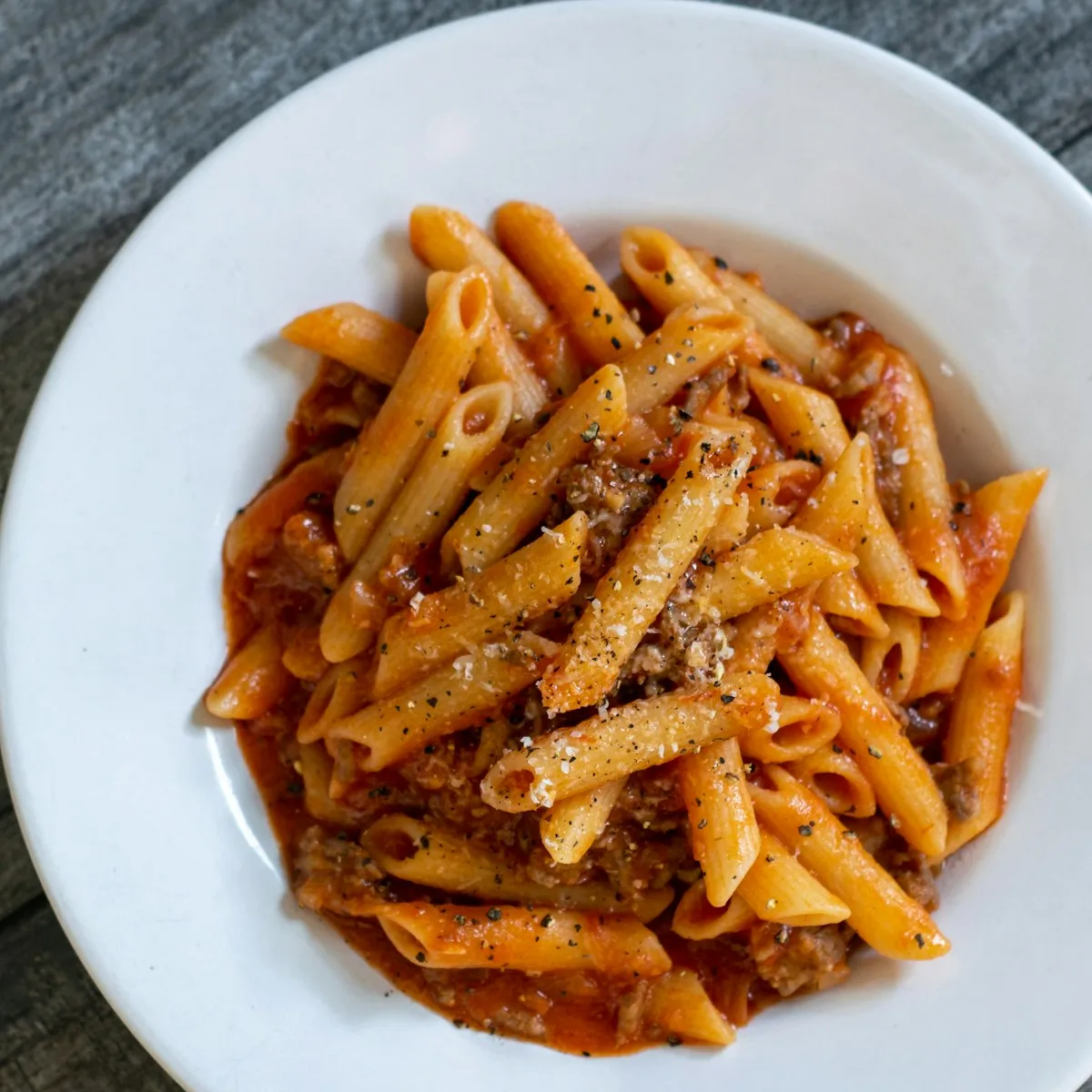
Swiss meatballs, called Brätchügeli (pronounced braht-kew-geh-lee), are the quiet elegance of European comfort food. Made from finely seasoned veal, poached until tender, and finished in a silky Rahmsauce, these delicate meatballs are a staple of German-speaking Switzerland - and one of the most underrated meatball traditions in the world.
Unlike the bold, charred flavors of Balkan grilled meatballs or the bright acidity of Greek keftedes, Brätchügeli are all about restraint. White pepper instead of black. A whisper of nutmeg. A cream sauce that never boils. The result is soft, refined, and deeply comforting - the kind of dish that warms you from the inside without any fuss.
Key Takeaways
- Brätchügeli are Swiss veal meatballs made from a smooth, emulsified veal mixture (called Brät).
- They are poached in gently simmered water, not fried - keeping them exceptionally tender.
- The signature Rahmsauce is a Swiss cream sauce with white pepper, nutmeg, and a touch of lemon.
- Traditionally served over buttered egg noodles, mashed potatoes, or crispy Rösti.
- Ready in 35 minutes - a fast, elegant weeknight dinner.
How to Make Swiss Brätchügeli
-
In a bowl, mix the ground veal with salt until slightly sticky. This helps develop the smooth, cohesive texture that defines Brät. Add egg, minced shallot, white pepper, nutmeg, and parsley. Stir gently to combine. Slowly incorporate the cold cream until the mixture becomes soft and mousse-like. If it feels loose, chill it for 15 minutes.
-
Bring a pot of salted water to a gentle simmer. Using two teaspoons, shape small oval dumplings and slide them into the water. Poach 5 to 7 minutes until they float and feel springy. Remove gently with a slotted spoon and set aside.
-
In a saucepan, melt butter over medium-low heat. Add diced shallot and cook 2 minutes until soft - no browning. Stir in flour and cook 1 to 2 minutes to form a pale roux. Slowly whisk in stock, then cream. Simmer 3 to 4 minutes until thickened.
-
Season the sauce with salt, white pepper, nutmeg, and lemon juice if using. Add the cooked Brätchügeli and warm gently for 2 to 3 minutes. Do not boil - Swiss cream sauces stay smooth and refined.
-
Serve immediately over buttered egg noodles, mashed potatoes, or with crispy Rösti.
Ingredients
- 1 lb ground veal (or 8 oz veal + 8 oz pork for a richer blend)
- 1 large egg
- 2 tbsp cold heavy cream
- 1 small shallot, finely minced
- 1 tsp kosher salt
- 1/2 tsp white pepper
- 1/4 tsp freshly grated nutmeg
- 1 tbsp fresh parsley, finely chopped
- 2 tbsp butter (for Rahmsauce)
- 1 small shallot, finely diced
- 1 1/2 tbsp all-purpose flour
- 1 cup chicken or veal stock
- 1/2 cup heavy cream
- 1 tsp fresh lemon juice (optional)
- Salt, white pepper, and nutmeg to taste
What Are Brätchügeli?
Brätchügeli are small Swiss veal meatballs made from Brät - a smooth, emulsified meat mixture traditionally made from veal. The word comes from the German Brät, referring to the finely ground, seasoned base used for sausages and meatballs across German-speaking regions.
In Switzerland, Brätchügeli are especially popular in German-speaking cantons like Zurich, Bern, and Lucerne. They appear on家庭 restaurant menus, in school cafeterias, and at family gatherings. The dish is so ingrained in Swiss home cooking that most Swiss families have their own version - some adding a splash of white wine to the sauce, others mixing veal with pork for extra richness.
The cooking method is what sets Brätchügeli apart from most other meatball traditions. Instead of pan-frying or baking, the meatballs are gently poached in barely simmering water. This keeps the texture soft and custardy inside - almost like a refined quenelle rather than a rustic meatball.
The Rahmsauce
Rahmsauce (Swiss cream sauce) is the soul of this dish. It is a simple roux-based sauce enriched with cream, white pepper, and a whisper of nutmeg. The sauce should be silky and pale - never browned, never thick with flour.
The key to a good Rahmsauce is patience. Cook the roux over medium-low heat until it smells nutty but stays pale. Add the stock gradually, whisking constantly to prevent lumps. Then stir in the cream and let it simmer gently until it coats the back of a spoon.
A squeeze of lemon juice at the end brightens the sauce without making it taste lemony. It is the Swiss equivalent of what a splash of vinegar does for heavier cream sauces - it lifts everything.
Variations and Substitutions
- Veal and pork blend: Mix 8 oz veal with 8 oz ground pork for a richer, slightly firmer meatball. This is common in Swiss home cooking.
- Mushroom Rahmsauce: Sauté 1 cup sliced mushrooms and add them to the sauce for a heartier, more autumnal version - similar to Zürcher Geschnetzeltes.
- Lighter sauce: Replace half the cream with whole milk for a thinner, lighter Rahmsauce. Still traditional, just less rich.
- White wine: Add a splash of dry white wine before the stock for extra depth. Let it cook off for 1 minute before adding liquid.
- Chives instead of parsley: Swap parsley for finely chopped chives in the Brät mixture for a milder, onion-like flavor.
- No veal available: Use all ground chicken or turkey for a lighter version. The texture will be slightly less silky but still delicious.
Serving Ideas
Brätchügeli are traditionally served over buttered egg noodles - the most classic Swiss presentation. But they work beautifully with:
- Mashed potatoes - creamy on creamy, pure comfort
- Crispy Rösti - the Swiss potato pancake adds crunch and contrast
- Steamed rice - a lighter base that lets the sauce shine
- Buttered Spätzli - if you can find fresh Swiss egg noodles
- Simple green salad - dressed with vinaigrette to cut the richness
Storage and Reheating
Store leftover Brätchügeli in an airtight container in the refrigerator for up to 3 days. Reheat gently over low heat, adding a splash of cream or milk if the sauce has thickened. Do not boil - the cream sauce can separate.
The Brät mixture can be prepared 24 hours ahead and kept chilled in the refrigerator. Shape and poach just before serving.
Freezing is not recommended for Brätchügeli - the delicate veal texture becomes dense and grainy after thawing.
Frequently Asked Questions
What is the difference between Brätchügeli and Swedish meatballs?
Brätchügeli are made from finely emulsified veal, poached in water, and served in a white cream sauce with white pepper and nutmeg. Swedish meatballs use a beef-pork blend with allspice, are pan-fried, and served in a brown cream gravy with lingonberry jam. The Swiss version is lighter, more delicate, and more refined. For another European poached-meatball tradition, see Königsberger Klopse - the German version with capers and anchovy.
Can I use ground beef instead of veal?
Yes, but the texture and flavor will be different. Veal creates the signature soft, custardy texture of Brätchügeli. Beef is firmer and more robust. For the closest result, use a 50/50 blend of veal and beef, or veal and pork.
What does Brätchügeli taste like?
Mild, creamy, and subtly seasoned. The flavor is gentle - white pepper, a hint of nutmeg, and the natural sweetness of veal. The Rahmsauce adds richness without heaviness. Think of it as the Swiss equivalent of a refined chicken dumpling in cream sauce.
Can I make Brätchügeli ahead of time?
You can prepare the Brät mixture up to 24 hours in advance and keep it chilled. Shape and poach the meatballs just before serving. The poached meatballs can be held in warm (not hot) water for up to 30 minutes, or refrigerated and gently reheated in the sauce.
What is the best side dish for Swiss meatballs?
Buttered egg noodles are the most traditional. Mashed potatoes and crispy Rösti are also classic Swiss pairings. For a lighter meal, serve over steamed rice with a simple green salad.
Is Rahmsauce the same as Swiss cream sauce?
Yes. Rahm means cream in German, so Rahmsauce literally translates to cream sauce. It is a roux-based sauce enriched with cream, white pepper, and nutmeg - distinct from French béchamel or Italian Alfredo in its seasoning profile.