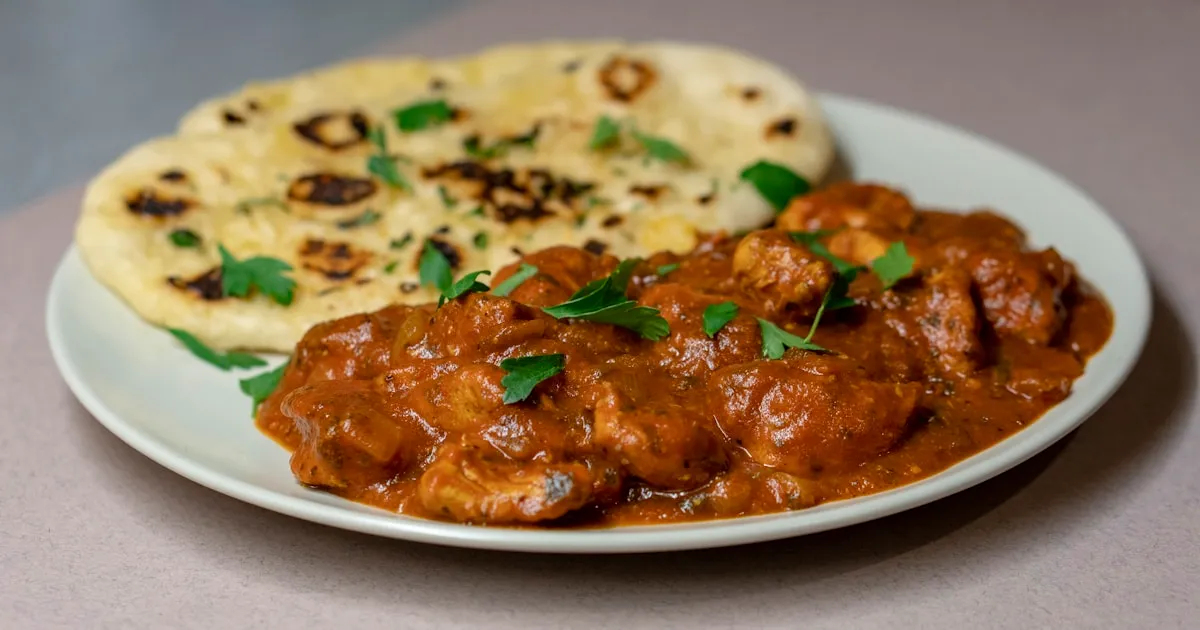
Trinidadian curried meatballs - or simply Trini-style meatballs - are a staple of Caribbean home cooking that blends the islands Indian heritage with bold, fresh Caribbean flavors. Ground beef is seasoned with green seasoning, a fragrant herb and pepper paste that is the backbone of Trinidadian cuisine, then simmered in a rich, golden coconut curry sauce.
What sets these meatballs apart is the technique. The curry powder is bloomed in hot oil to release its full flavor, while a whole Scotch bonnet pepper infuses the sauce with gentle heat without overwhelming the dish. The coconut milk adds a silky, creamy finish that balances the warm spices. Serve these over fluffy white rice, with buttery roti, or even alongside fried plantains for a full island-inspired meal.
Key Takeaways
- Trinidad green seasoning is the flavor secret - a fresh herb blend of cilantro, scallions, garlic, and pimento peppers
- Bloom the curry powder in oil first for maximum flavor depth
- A whole Scotch bonnet adds gentle heat without making the dish fiery
- Coconut milk creates a silky, balanced sauce that pairs perfectly with rice or roti
How to Make Trinidadian Curried Meatballs
-
Prepare the meatballs: In a large bowl, combine the ground beef, grated onion, minced garlic, green seasoning, panko breadcrumbs soaked in milk, egg, curry powder, turmeric, salt, and pepper. Mix gently with your hands until just combined - overworking the meat makes dense meatballs. Refrigerate for 10 minutes to firm up.
-
Shape and brown: Form the mixture into 1.5-inch meatballs (you should get about 18). Heat 1 tablespoon of oil in a large skillet over medium-high heat. Brown the meatballs in batches, about 3 to 4 minutes, turning to get color on all sides. Transfer to a plate.
-
Bloom the spices: In the same skillet, add another tablespoon of oil. Cook the chopped onion until soft, about 3 to 4 minutes. Add the garlic and ginger and cook for 1 minute until fragrant. Stir in the curry powder, roasted geera (cumin), and turmeric, and cook for 30 seconds - this blooming step is essential for deep, aromatic curry flavor.
-
Build the sauce: Pour in the crushed tomatoes, coconut milk, and water or broth. Stir well, scraping up any browned bits from the bottom of the pan - those bits are packed with flavor.
-
Simmer: Add the whole Scotch bonnet pepper (do not pierce or chop it unless you want intense heat) and return the meatballs to the sauce. Cover and simmer for 10 minutes, then uncover and simmer for 5 more minutes until the sauce thickens slightly.
-
Finish and serve: Remove the Scotch bonnet pepper. Taste and adjust salt. Garnish with fresh cilantro or chadon beni (culantro), the Caribbean herb that gives Trini cooking its signature flavor. Serve over steamed rice, with warm roti for dipping, or alongside fried plantains.
What Makes Trinidadian Curry Different
Trinidadian curry has its roots in the indentured laborers who arrived from India in the mid-19th century, bringing their spice blends and cooking techniques with them. Over generations, those traditions merged with local Caribbean ingredients to create a unique style of curry that is distinct from both Indian and Southeast Asian versions.
The key differences are the use of green seasoning as a base marinade rather than a dry spice rub, the addition of pimento peppers (a mild, aromatic pepper unique to the Caribbean), and the technique of roasting the curry powder in oil to intensify its flavor. Trinidadian curry is also typically less spicy than Indian curry, with a focus on aromatic depth rather than pure heat.
Green seasoning is the most important ingredient you might not have in your pantry. It is a fresh herb and pepper paste made from cilantro, parsley, celery, scallions, garlic, pimento peppers, chives, and sometimes ginger, all blended with vinegar and lime juice. You can find it in Caribbean grocery stores, or make your own by blending the fresh herbs with a splash of vinegar and lime juice.
Tips for the Best Trinidadian Curried Meatballs
- Do not skip the green seasoning. It is the defining flavor of this dish. If you cannot find it, blend fresh cilantro, scallions, garlic, and a small amount of green bell pepper with a splash of vinegar as a substitute.
- Bloom the curry powder. Cooking the curry powder in hot oil for 30 seconds before adding liquid intensifies its flavor significantly. This step is non-negotiable in Trinidadian cooking.
- Use a whole Scotch bonnet for gentle heat. Piercing the pepper releases dramatically more capsaicin. Leaving it whole adds a mild, fruity warmth that builds gradually.
- Do not overmix the meatballs. Mix just until the ingredients come together. Overworking the ground beef creates tough, dense meatballs. The panade (breadcrumbs soaked in milk) helps keep them tender.
- Let the meatballs rest after shaping. A 10-minute rest in the fridge helps them hold together during browning.
- Roasted geera (cumin) is worth seeking out. Whole cumin seeds toasted and ground have a deeper, smokier flavor than pre-ground cumin. You can toast and grind your own in 2 minutes.
What to Serve with Trinidadian Curried Meatballs
These meatballs are traditionally served with white rice to soak up the curry sauce, but there are plenty of other options:
- Roti: A warm, flaky Trinidadian roti (paratha-style) is perfect for dipping and scooping
- Fried plantains: Sweet, caramelized maduros balance the savory curry
- Rice and peas: Trinidadian rice cooked with coconut milk and pigeon peas
- Steamed vegetables: Callaloo, okra, or green beans with garlic
- Crusty bread: A crusty baguette or Portuguese bread for sopping up the sauce
Variations
- Chicken version: Substitute ground chicken or turkey for the beef. Reduce the cooking time slightly, as poultry cooks faster.
- Lamb or mutton: Ground lamb or mutton is traditional in many Trinidadian homes and adds a richer, gamier flavor.
- Vegetarian: Use grated cauliflower, mashed chickpeas, and breadcrumbs as a base. The curry sauce works beautifully with plant-based meatballs.
- Extra spicy: Finely mince the Scotch bonnet pepper and add it directly to the sauce for serious heat.
- Coconut-free: Substitute the coconut milk with an additional cup of beef broth and a splash of heavy cream for a lighter, non-coconut sauce.
Storage and Meal Prep
These Trinidadian curried meatballs are excellent for meal prep. Store in an airtight container in the refrigerator for up to 4 days. The flavors actually deepen overnight as the meatballs absorb the curry sauce.
To freeze, place the cooled meatballs and sauce in a freezer-safe container for up to 3 months. Thaw overnight in the refrigerator and reheat gently on the stovetop or in the microwave.
Frequently Asked Questions
What is green seasoning? Green seasoning is a Trinidadian herb and pepper paste made from cilantro, parsley, celery, scallions, garlic, pimento peppers, and chives blended with vinegar and lime juice. It is used as a marinade and flavor base for meats, seafood, and stews throughout the Caribbean.
Can I use regular curry powder for this recipe? Yes, standard supermarket curry powder works well. For a more authentic flavor, look for Trinidad-style curry powder, which often has a higher turmeric content and may include roasted geera (cumin). Madras curry powder is also a good substitute.
Is this dish very spicy? No - the whole Scotch bonnet pepper adds a mild, fruity warmth without making the dish spicy. If you want heat, mince the pepper and add it directly. For no heat at all, omit the Scotch bonnet entirely.
Where can I buy green seasoning? Look for it in the international aisle of well-stocked grocery stores, at Caribbean markets, or online. You can also make your own by blending fresh cilantro, scallions, garlic, bell pepper, and a splash of vinegar and lime juice.
Can I use frozen meatballs? Pre-made or frozen meatballs work in a pinch, but the texture and flavor will not be the same. The green seasoning and spices are mixed directly into the meat for this recipe, which is essential to the authentic taste.
What is the difference between chadon beni and cilantro? Chadon beni (also called culantro or shadow beni) is a Caribbean herb with long, serrated leaves and a much stronger, more pungent flavor than cilantro. It is used extensively in Trinidadian cooking. If you cannot find it, cilantro is the best substitute.
Sources
- Simply Trini Cooking - Curried Meatballs Recipe
- Caribbean Green Seasoning Recipe - Cooking with Ria
- Trinidad Green Seasoning - Natural Fit Foodie