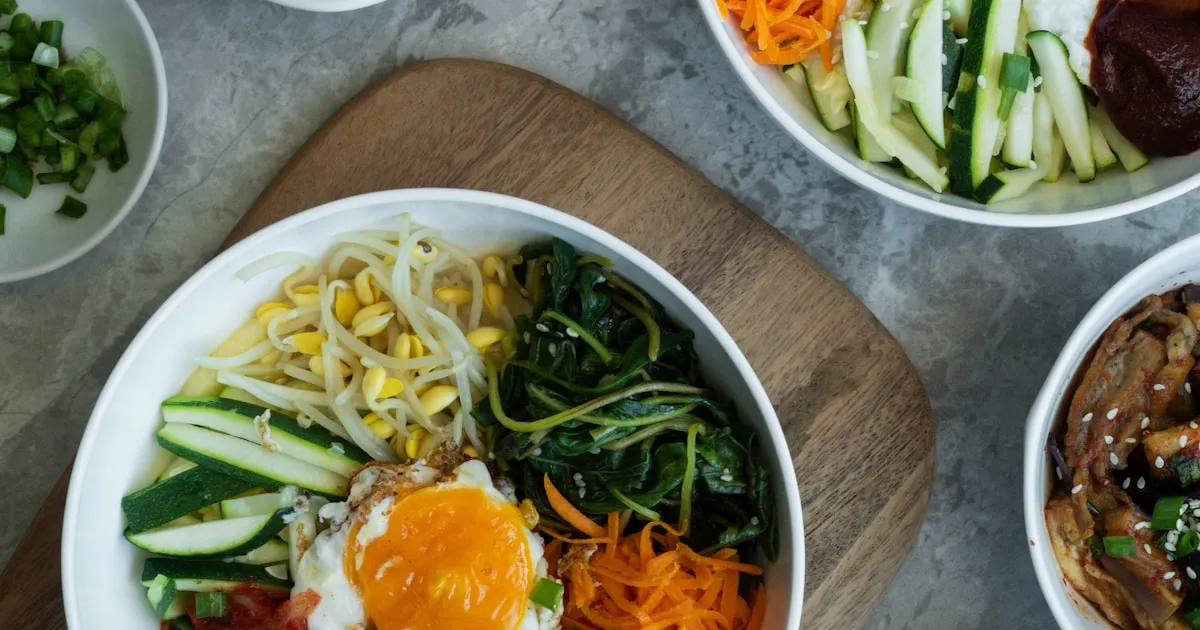
Korean BBQ bulgogi meatballs bring the sweet-savory magic of Korean bulgogi into an easy weeknight dinner. Ground beef meatballs are pan-seared until golden, then tossed in a sticky honey-soy bulgogi glaze that caramelizes beautifully. Served over jasmine rice with sesame seeds and green onions, this 30-minute meal delivers the bold flavors of Korean BBQ without the grill.
This recipe is different from Korean gochurgang meatballs - those use fermented chili paste for spicy heat. Bulgogi meatballs lean sweet and savory, built on soy sauce, brown sugar, honey, and toasted sesame oil. Both are Korean classics, but the flavor profiles are completely different. For more Asian-inspired meatballs, check out our Asian meatballs curation.
Key Takeaways
- Asian pear is the secret bulgogi ingredient - its natural enzymes tenderize the meat and add subtle sweetness. Grated red apple works as a substitute.
- Bulgogi glaze = soy sauce + brown sugar + honey + sesame oil + garlic + ginger. The combination of sweet and savory is what makes bulgogi iconic.
- Cornstarch slurry thickens the glaze into a glossy, sticky coating that clings to every meatball. Do not skip this step.
- 30 minutes total - 10 minutes prep, 20 minutes cooking. One skillet for the meatballs and glaze.
- Sesame seeds and green onions are not just garnish - they add texture and fresh flavor that balance the rich, sweet glaze.
How to Make Korean BBQ Bulgogi Meatballs
- Make the meatball mixture. Combine beef, panko, soy sauce, brown sugar, grated Asian pear, sesame oil, garlic, ginger, and green onions in a bowl. Mix until just combined - do not overwork or the meatballs will be dense. (See prep hint: Mix Until Just Combined)
- Shape into meatballs. Wet your hands and roll into 24 meatballs, about 1.25 inches across. A medium cookie scoop keeps them uniform.
- Sear the meatballs. Heat neutral oil in a large skillet over medium-high heat. Brown meatballs in batches for 2 to 3 minutes per side until golden on the outside. They do not need to be cooked through yet. Transfer to a plate.
- Make the bulgogi glaze. In the same pan (do not wipe it out), combine soy sauce, brown sugar, honey, rice vinegar, sesame oil, garlic, and ginger. Bring to a simmer. The browned bits from the meatballs add depth.
- Thicken the glaze. Stir the cornstarch slurry (cornstarch mixed with water) into the simmering sauce. Cook for 1 to 2 minutes until the glaze is glossy and thick enough to coat the back of a spoon.
- Toss meatballs in glaze. Return meatballs to the pan. Toss in the glaze and cook for 3 to 4 minutes until coated and heated through to 160F (71C). (See prep hint: Asian Pear in Bulgogi)
- Garnish and serve. Sprinkle with sesame seeds and sliced green onions. Serve over jasmine rice while hot.
Ingredients
For the Meatballs
- 1 lb (450 g) ground beef, 80/20
- 1/4 cup panko breadcrumbs
- 2 tbsp soy sauce
- 1 tbsp brown sugar
- 1 tbsp grated Asian pear (or grated apple)
- 1 tbsp sesame oil
- 2 cloves garlic, minced
- 1 tsp fresh ginger, grated
- 2 green onions, finely sliced
For the Bulgogi Glaze
- 1/3 cup soy sauce
- 3 tbsp brown sugar
- 2 tbsp honey
- 1 tbsp rice vinegar
- 1 tbsp sesame oil
- 2 cloves garlic, minced
- 1 tsp fresh ginger, grated
- 1 tbsp cornstarch mixed with 1 tbsp water
For Serving
- Jasmine rice, cooked
- Sesame seeds
- Sliced green onions
What Makes Bulgogi Different from Other Korean Meatballs?
Bulgogi is one of Korea’s most beloved dishes - thinly sliced beef marinated in a sweet-savory mixture of soy sauce, sugar, sesame oil, garlic, and often Asian pear. The name literally means “fire meat” in Korean, referring to the traditional grilling method.
When you turn bulgogi flavors into meatballs, you get the same sweet-savory balance in a format that’s easier to cook on a weeknight. The Asian pear is what separates bulgogi from other Korean marinades - it contains natural enzymes that tenderize the meat while adding a subtle fruity sweetness.
This is different from Korean gochurgang meatballs, which use fermented chili paste (gochurgang) for heat. Bulgogi meatballs have no chili heat at all - they are purely sweet and savory.
Tips for Perfect Bulgogi Meatballs
Use 80/20 beef. Lean ground beef (90/10 or leaner) produces dry, crumbly meatballs. The fat in 80/20 keeps them juicy and helps them hold together.
Do not skip the Asian pear. The grated pear (or apple) is not just for flavor - the natural enzyme actinidin breaks down meat proteins, making the meatballs exceptionally tender. If you skip it, the texture will be noticeably denser.
Thicken the glaze properly. A runny glaze slides off the meatballs. The cornstarch slurry creates that sticky, glossy coating that defines a great bulgogi. Cook it until it coats the back of a spoon.
Brown in batches. Crowding the pan steams the meatballs instead of searing them. Work in 2 batches for the best golden crust.
Serve immediately. The glaze sets as it cools. For the best sticky texture, serve right after tossing the meatballs in the sauce.
Variations
Spicy Bulgogi Meatballs: Add 1 tbsp gochujang to the glaze mixture for a sweet-heat combination.
Bulgogi Meatball Lettuce Wraps: Skip the rice and serve the meatballs in butter lettuce leaves with pickled carrots, kimchi, and a drizzle of sriracha mayo.
Baked Bulgogi Meatballs: Shape the meatballs and place on a wire rack over a sheet pan. Bake at 400F (200C) for 15 minutes. Meanwhile, make the glaze on the stovetop. Toss baked meatballs in the glaze.
Chicken Bulgogi Meatballs: Substitute ground chicken for the beef. Reduce cooking time by 2 minutes since chicken cooks faster.
Storage and Reheating
Fridge: Store cooked meatballs and glaze in an airtight container for up to 4 days.
Freezer: Freeze cooked meatballs (without glaze) on a sheet pan, then transfer to a freezer bag for up to 3 months. Thaw in the fridge overnight.
Reheat: Warm in a skillet over medium heat with a splash of water to loosen the glaze. Microwave works too - 60 to 90 seconds, stirring halfway.
Serving Ideas
| Serving Style | What to Add |
|---|---|
| Rice Bowl | Jasmine rice, steamed broccoli, quick-pickled carrots |
| Lettuce Wraps | Butter lettuce, kimchi, pickled daikon, sriracha mayo |
| Noodles | Soba or udon noodles, sliced cucumber, sesame dressing |
| Appetizer | Toothpicks, extra glaze for dipping, sesame seeds |
| Meal Prep | Rice, roasted sweet potato, steamed green beans |
FAQ
What is the difference between bulgogi and gochurgang meatballs?
Bulgogi meatballs are sweet and savory, built on soy sauce, brown sugar, honey, and sesame oil. Gochurgang meatballs use fermented Korean chili paste for spicy heat. Both are Korean, but the flavor profiles are completely different. See our Korean gochurgang meatballs for the spicy version, or try honey garlic meatballs for another sticky sweet glaze.
Can I use ground pork instead of beef?
Yes. Ground pork works well for bulgogi meatballs. The flavor will be slightly milder and the texture a bit softer. Use 80/20 pork for the best results.
What if I cannot find Asian pear?
Grated red apple (Fuji or Gala) is the best substitute. You can also use 2 tablespoons of unsweetened applesauce. The flavor will be slightly different but the tenderizing effect is similar.
How do I know when the meatballs are done?
Use an instant-read thermometer - the internal temperature should reach 160F (71C). The glaze step ensures they are fully cooked even if the searing step left them slightly pink inside.
Can I make these ahead for meal prep?
Absolutely. Cook the meatballs and glaze, then portion into containers with rice and vegetables. They keep in the fridge for 4 days. Reheat in the microwave for 60 to 90 seconds.
What rice works best with bulgogi meatballs?
Jasmine rice is ideal - its slight sweetness complements the bulgogi glaze. Short-grain Korean rice (bap) is traditional. Basmati works in a pinch but has a different texture.